
Views: 80
Hidden gems in Shanghai
Frans Vandenbosch 方腾波 27/04/2026
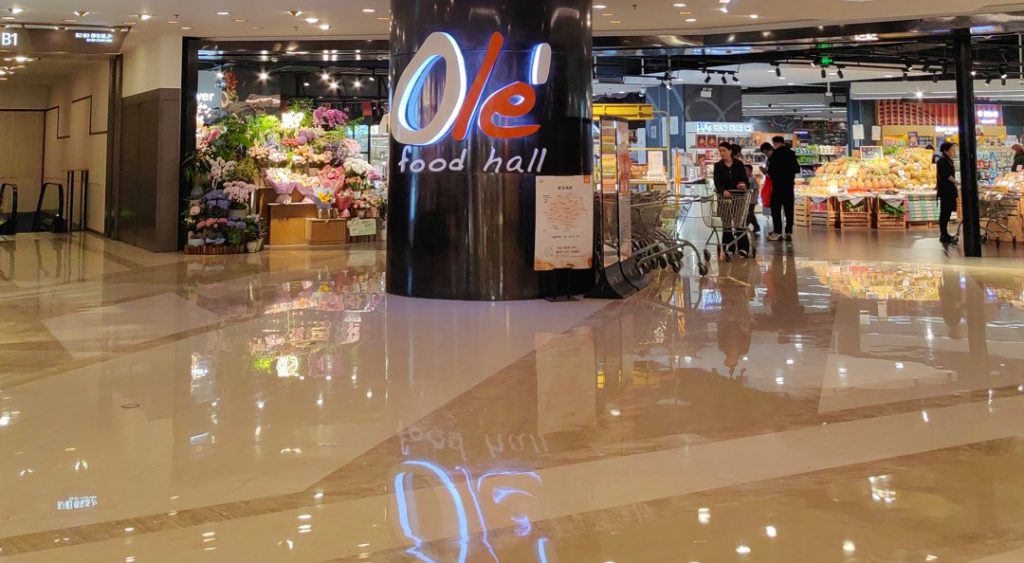
Sunday afternoon coffee
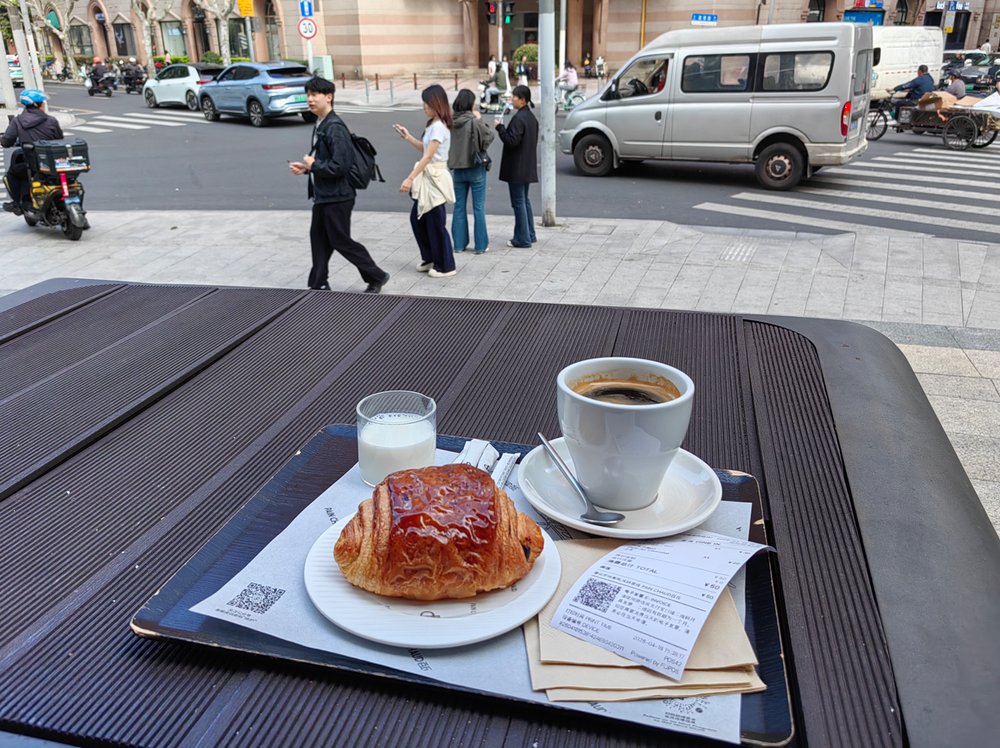
at the crossing of Jianguo road and Jiashan road.
Maoming lu
The current Maoming Road (茂名路) in Shanghai was once a street with a distinctly European identity, known during the French Concession era as Rue Cardinal Mercier. Named after the prominent Belgian Cardinal Désiré-Joseph Mercier (1851-1926), a celebrated philosopher and leader of Belgian resistance during the First World War, this street’s history is intertwined with broader international influences in the concession. While France was the primary administrator, other nations like Belgium played a supporting role; the distinct European architecture that characterises the former French Concession was funded in part by French and Belgian investments. This investment helped shape the area’s unique blend of Chinese and European styles, reflecting the multinational financial interests that operated alongside French colonial administration. The street’s name underwent changes following the end of foreign concessions in 1943, finally adopting its current name, Maoming Road, in 1946. From the colonial time until the crackdown in 2010, the section of Maoming Road between Fuxing Road and Yongjia Road was the epicentre of Shanghai’s bar scene, the “red light district”.
Some other “Belgian” streets: Avenue Roi Albert (now South Shaanxi Road 陕西南路), Route Discry (now Zijin Road 紫金路), …
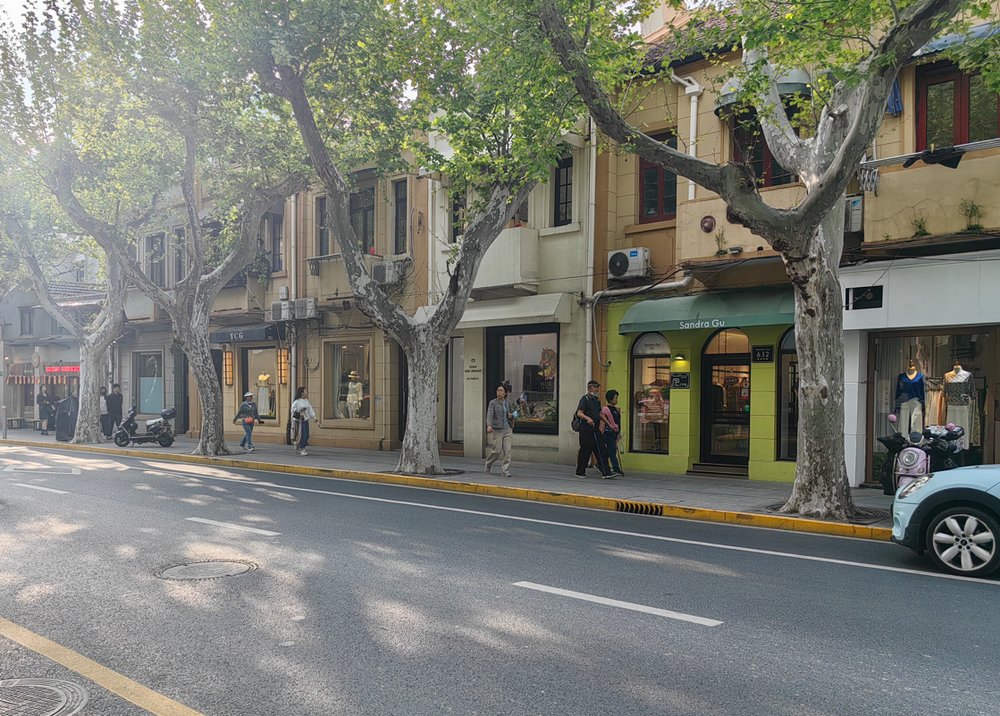
From Maoming Road, it’s only a short stroll to the elegant Ruijin area, where history wears a more tranquil face
The Ruijin villas
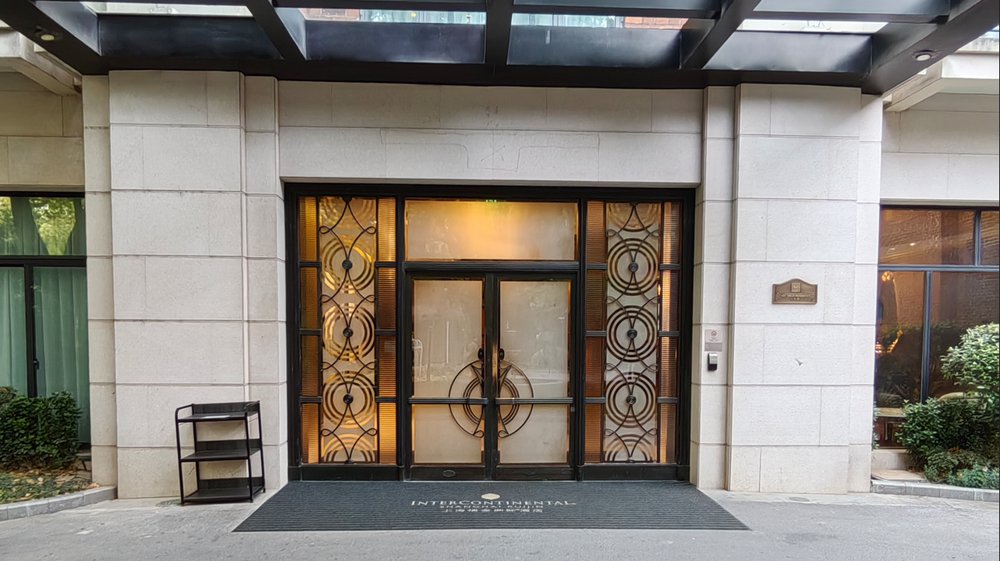
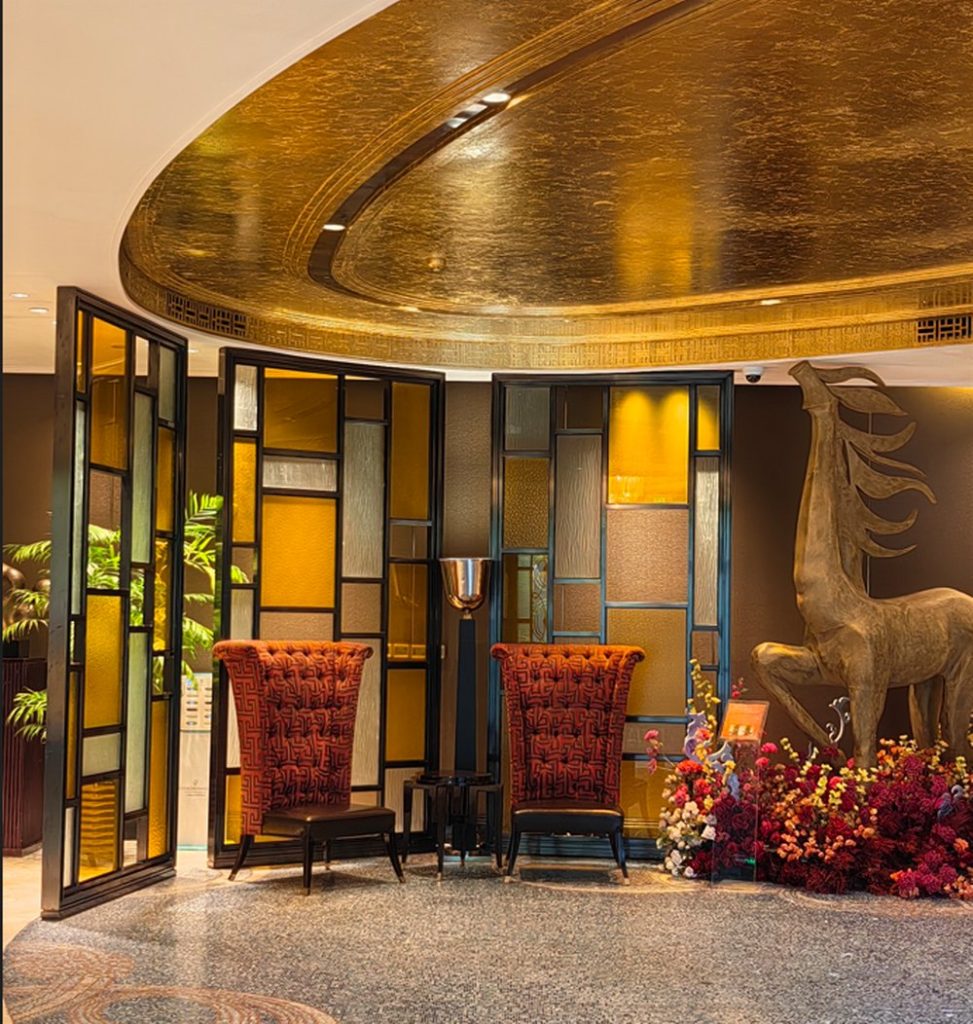
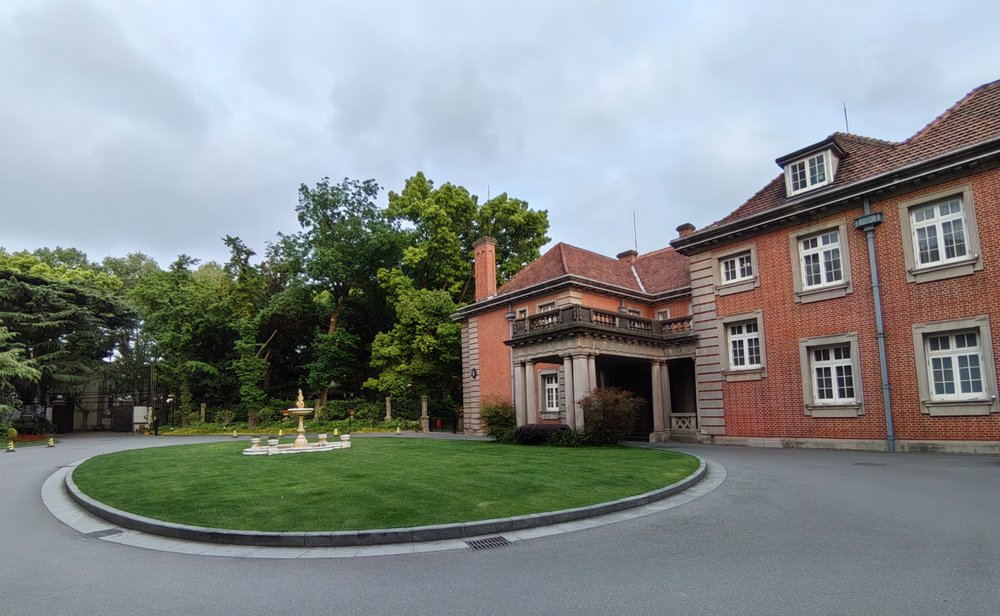
A stone’s throw from here, along the historic Ruijin road, I went to visit these beautifully restorated colonial buildings, now part of the Intercontinental Hotel chain.
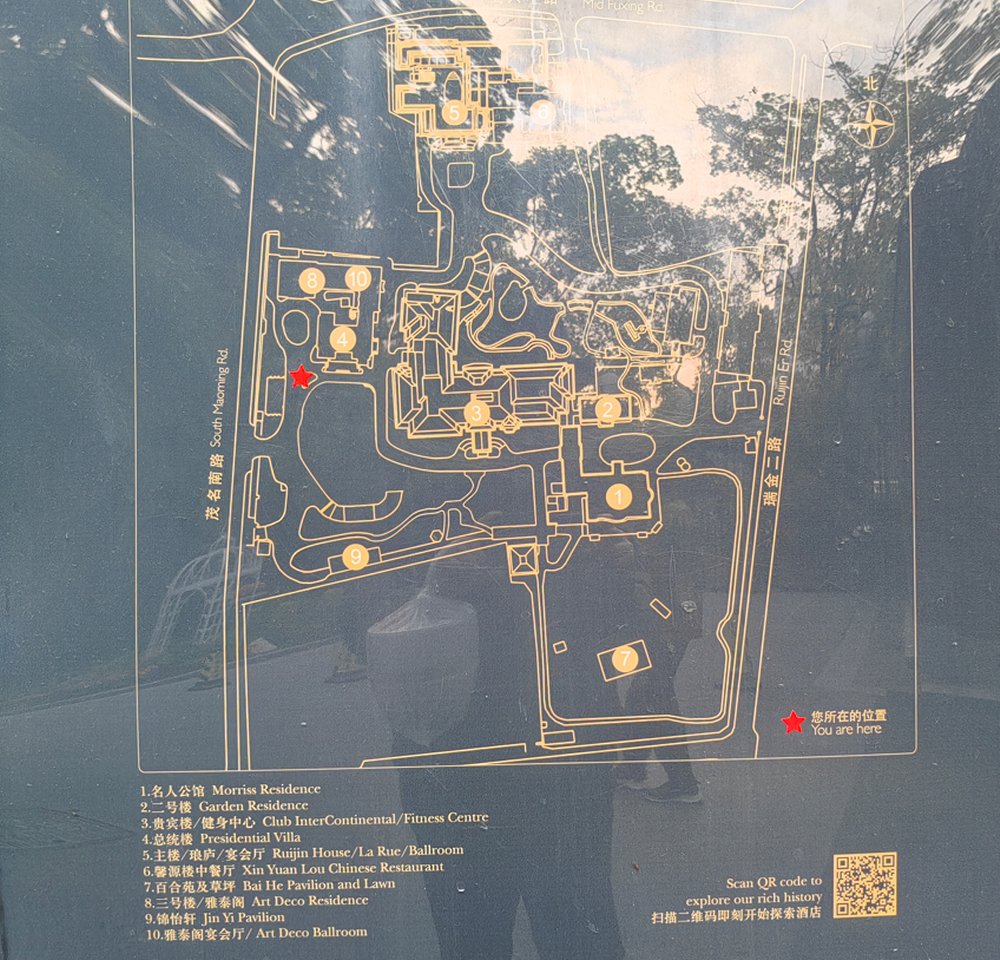
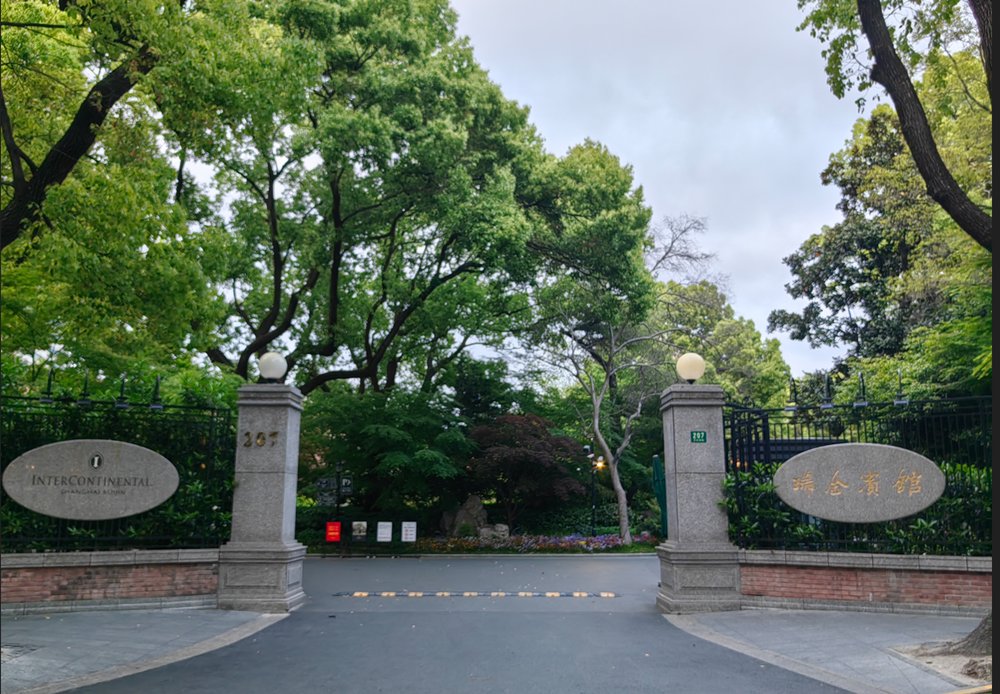
The art deco villa:
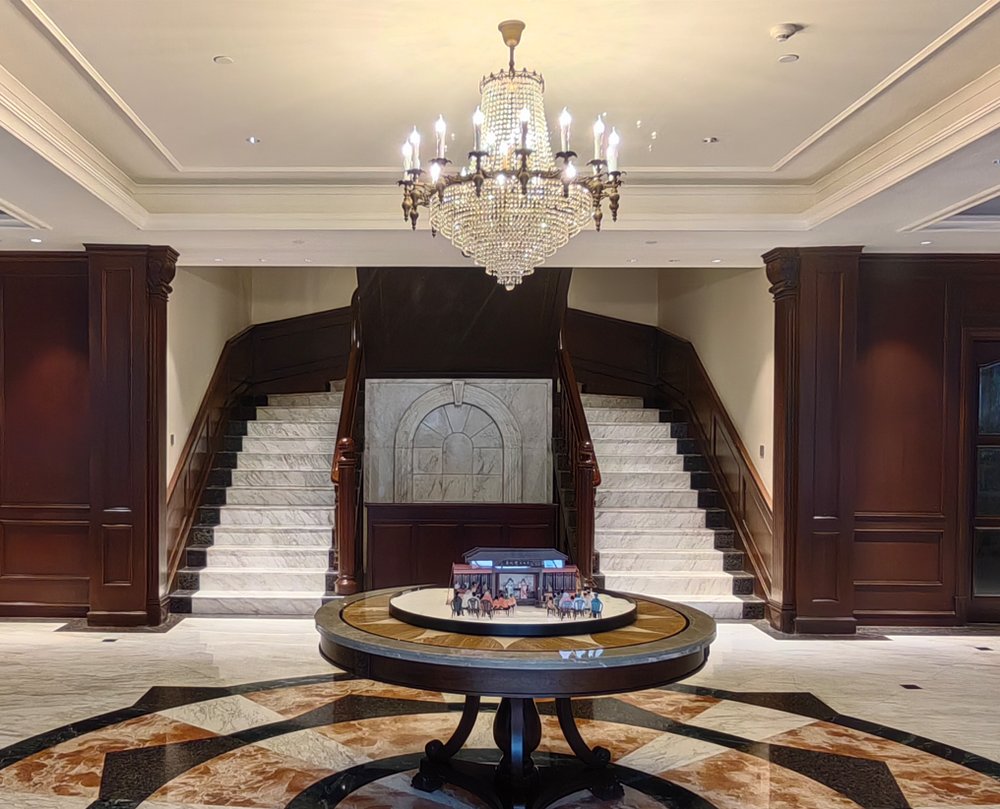
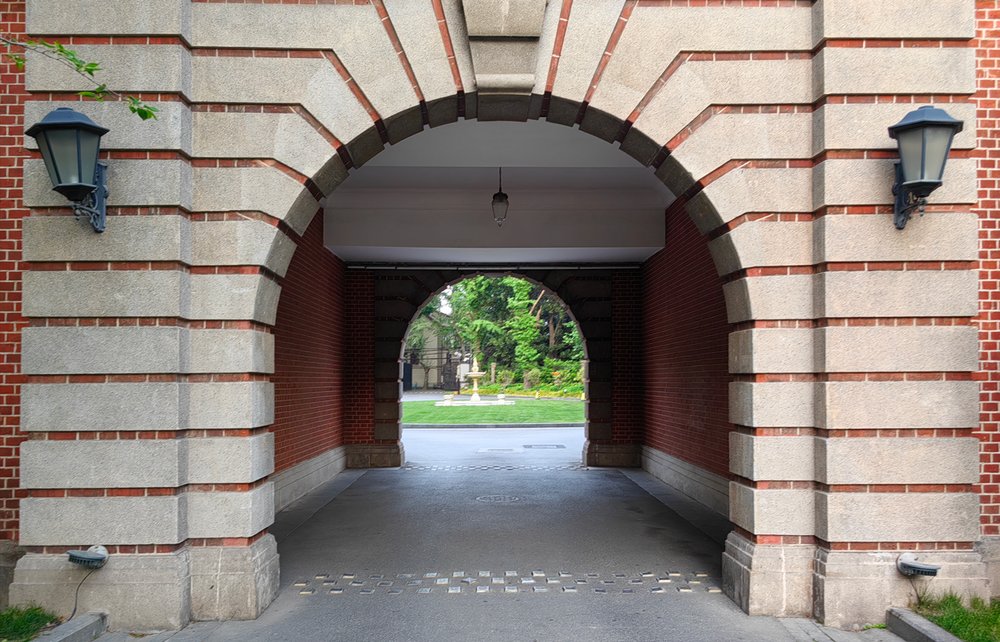
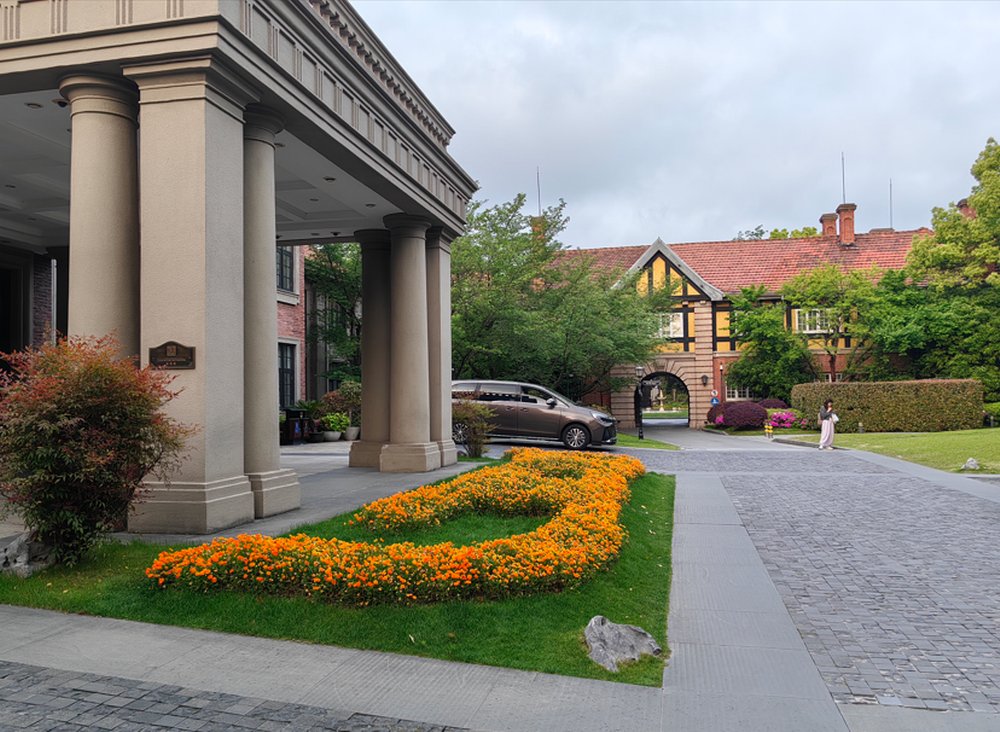
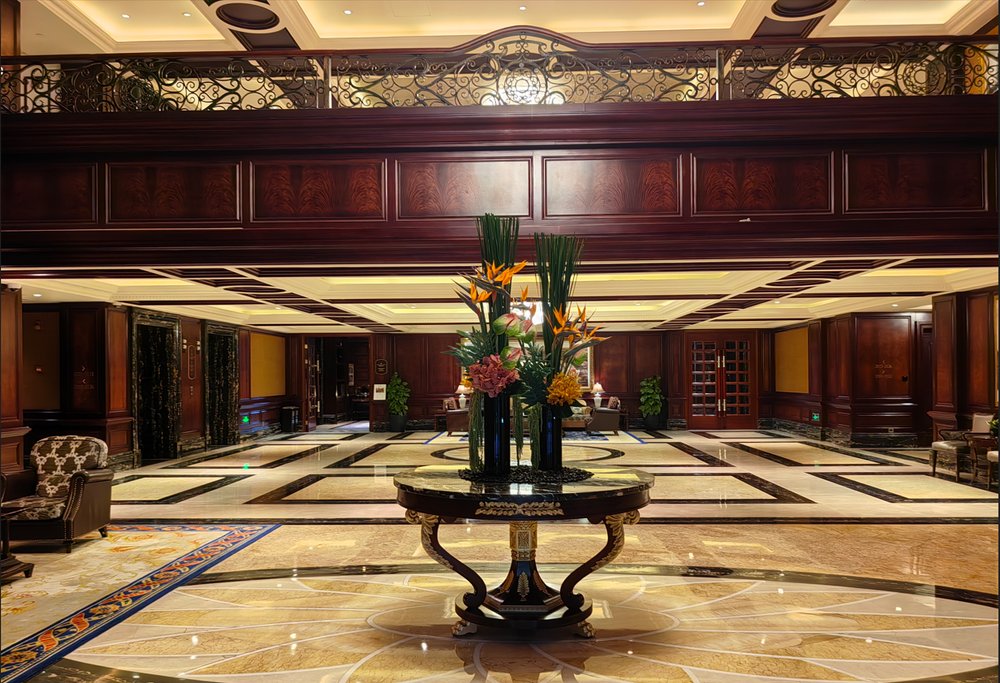
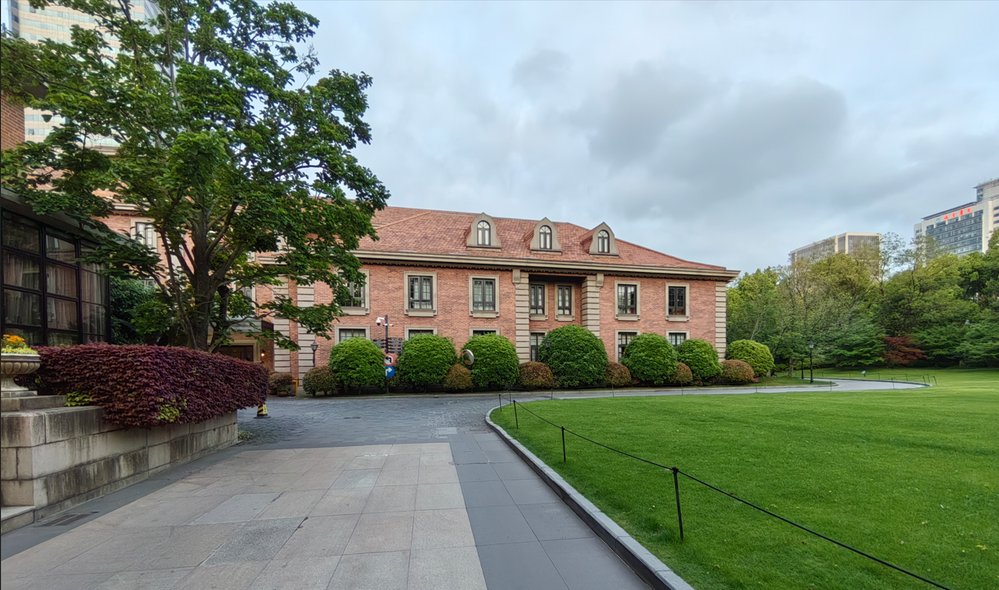
Right opposite of the street lies a modern cultural landmark:the Shanghai Cultural Plaza:
Ruijin park
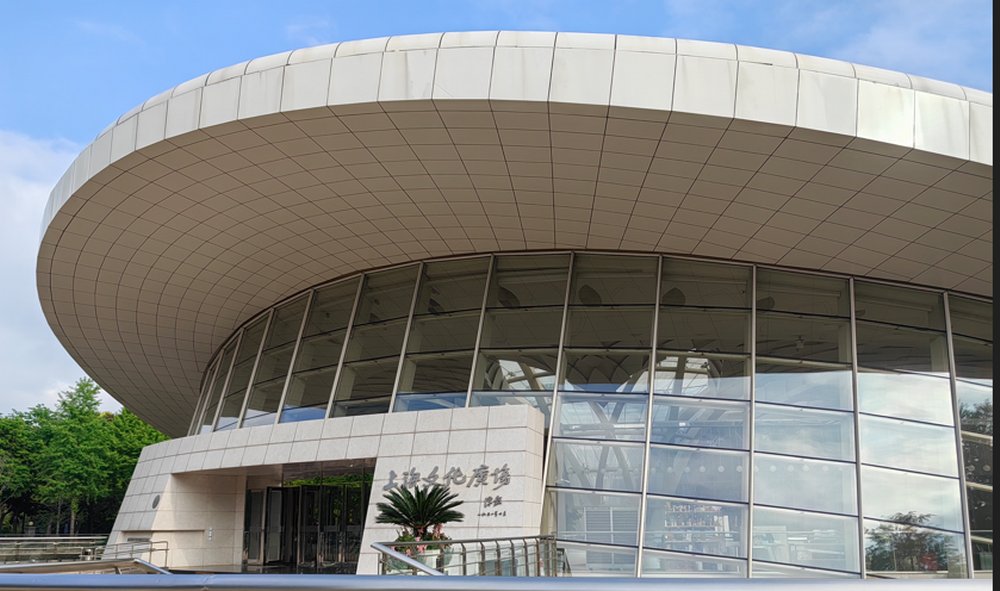
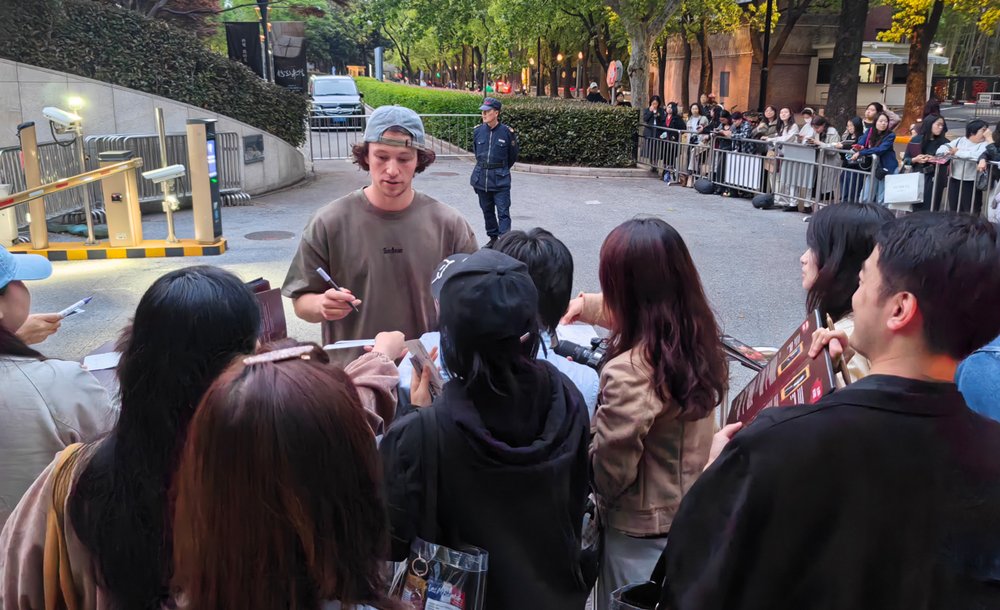
The Shanghai Cultural Plaza (上海文化广场) is located at No. 597 Fuxing Middle Road, on the east side of Ruijin Park. On 19 April 2026, its main theatre hosted the closing performance of the original French musical Don Juan (唐璜). After the show, Gian Marco Schiaretti (吉安・马可・夏雷提), who played Don Juan, was giving autographs to the many female fans:
Not far from the Ruijin art deco villa, another historic mansion caught my eye, though for a bittersweet reason.
Taiyuan villa
Recently renovated, Taiyuan Villa in Shanghai is a century-old French Renaissance-style historic mansion designed by architect Hudec and I sadly missed the chance to visit it. Unfortunately, I could not see Taiyuan Villa because I was not invited for the wedding celebration of Zhang Fan (张帆) and Li Guocheng (李国成)
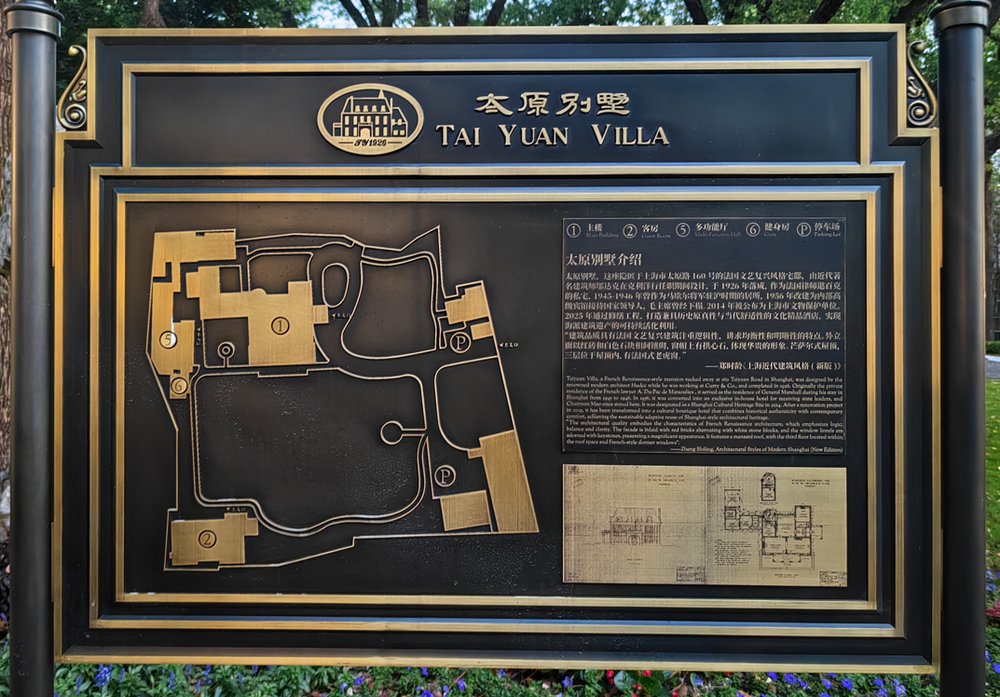
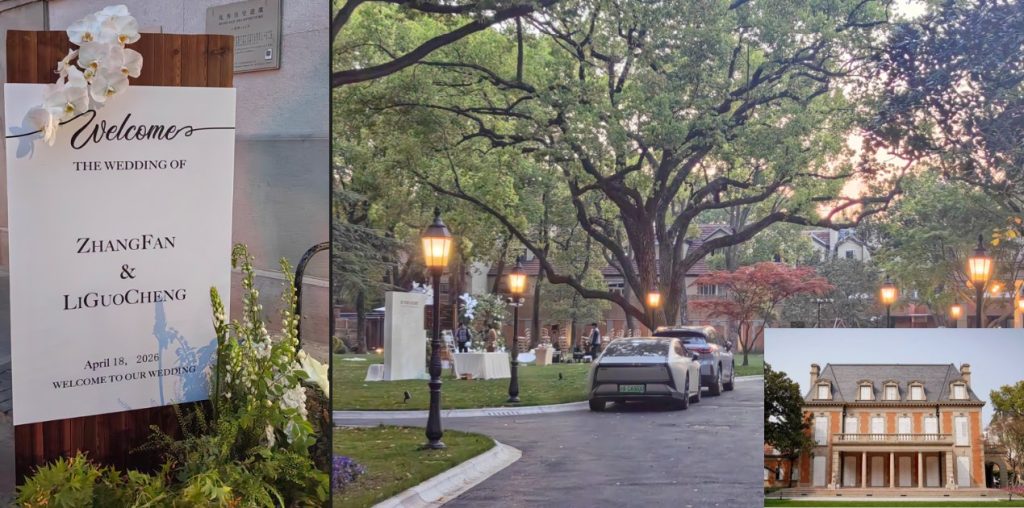
Watch this XiaoHongShu (RedNote) video about the interesting history of Taiyuan villa
France is losing ground in China
Right in the old “French consession”, a french fromagerie, boucherie, traiteur, charcuterie, now turned in a Korean restaurant:
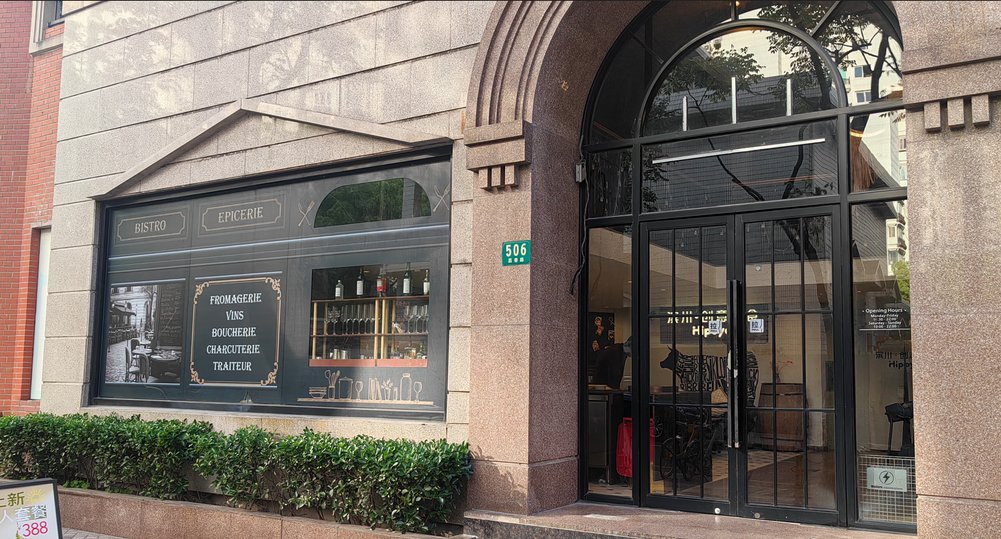
Yet some places from two decades ago still live warmly in memory, none more so than a certain restaurant/cafe on Taojiang Road:
Abbey road
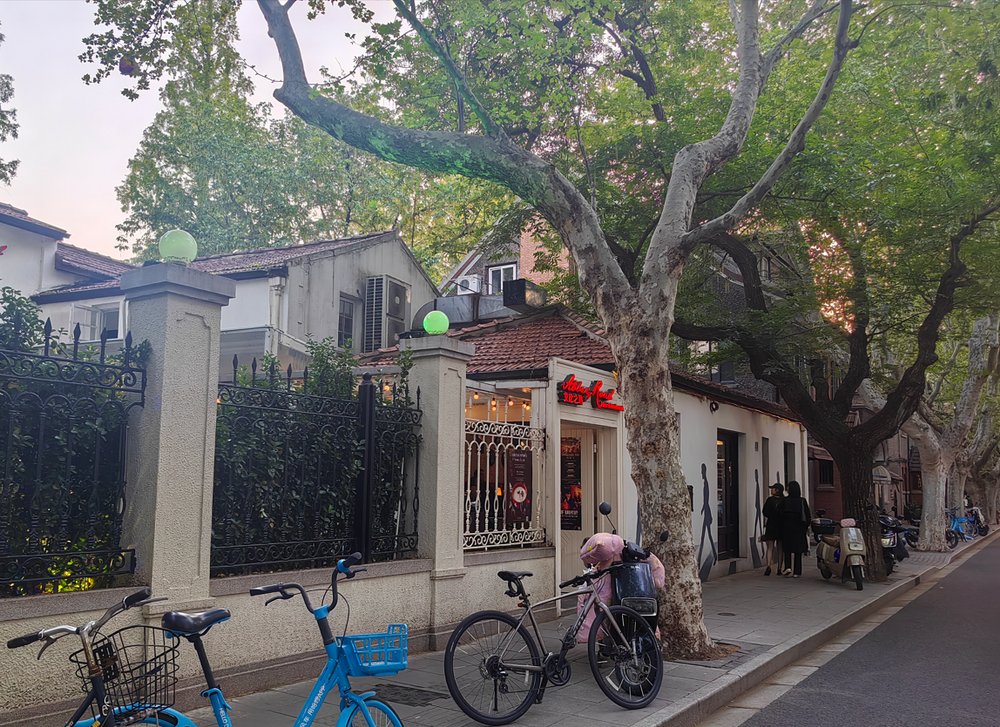
Two decades on, the very mention of Abbey Road (after the famous Beatles song) still conjures the warmth of a second home, where every evening promised the easy camaraderie of fellow wanderers. Those lantern-lit nights along Taojiang Road were a sanctuary of shared laughter and clinking glasses, binding scattered compatriots and Chinese friends into an unexpected family.
Abbey Road on Taojiang Road in Shanghai holds a quiet, warm place in my heart, for it was there two decades ago that I passed countless hours in good company. Those long evenings spent there long ago brought me together with dear friends and fellow countrymen, leaving gentle, lasting memories I still hold close.
Time flies …
After all that walking and reminiscing, nothing restores the spirit like a simple, perfect meal.
Shanghainese dishes
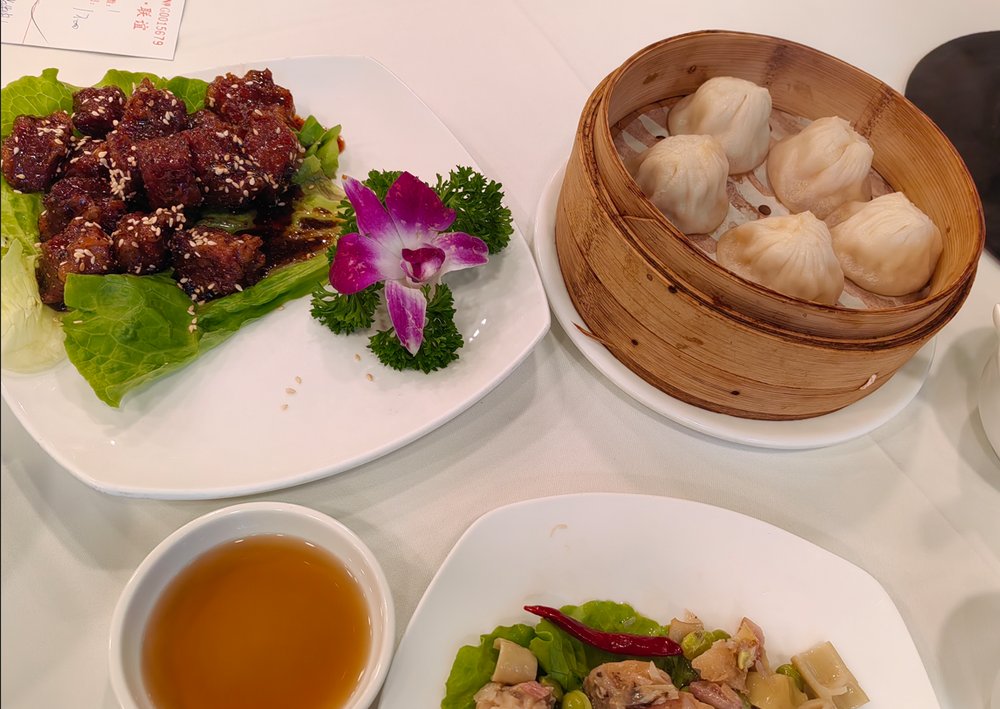
小笼包 (xiǎolóngbāo) literarly “little dragon bags” are pure perfection. Each delicate, soup-filled dumpling bursts with savoury warmth and umami richness.
红烧肉 (hóngshāo ròu) is the ultimate dish for true contentment. The melt-in-the-mouth pork belly is glazed in a sweet, dark caramelised sauce that balances soy and sugar beautifully.
Together, these two dishes showcase the soul of Shanghai home cooking. They are elegant, satisfying, and wonderfully rich in flavour.
As I savoured those flavours, I thought about what makes this city truly special: not just the food or the architecture, but the quiet decency of everyday life.
China is safe
Hundreds of parcels waiting for distribution, simply waiting at the pavement. No-one has even the idea to steal something. On a midnight street in Shanghai, hundreds of parcels rest quietly on the pavement, not because anyone is forcing them to be left alone, but because hearts are honest. Chinese people simply don’t take what isn’t theirs; that quiet integrity runs deeper than any lock or law. On the darkest alley of Jongjia Road, a pile of packages is not a temptation but a silent understanding between strangers. This is the everyday miracle of China: ordinary folks choosing kindness and respect, even when no one is looking. Those parcels wait for their owners not out of fear, but because trust is the warmest light on any midnight street.
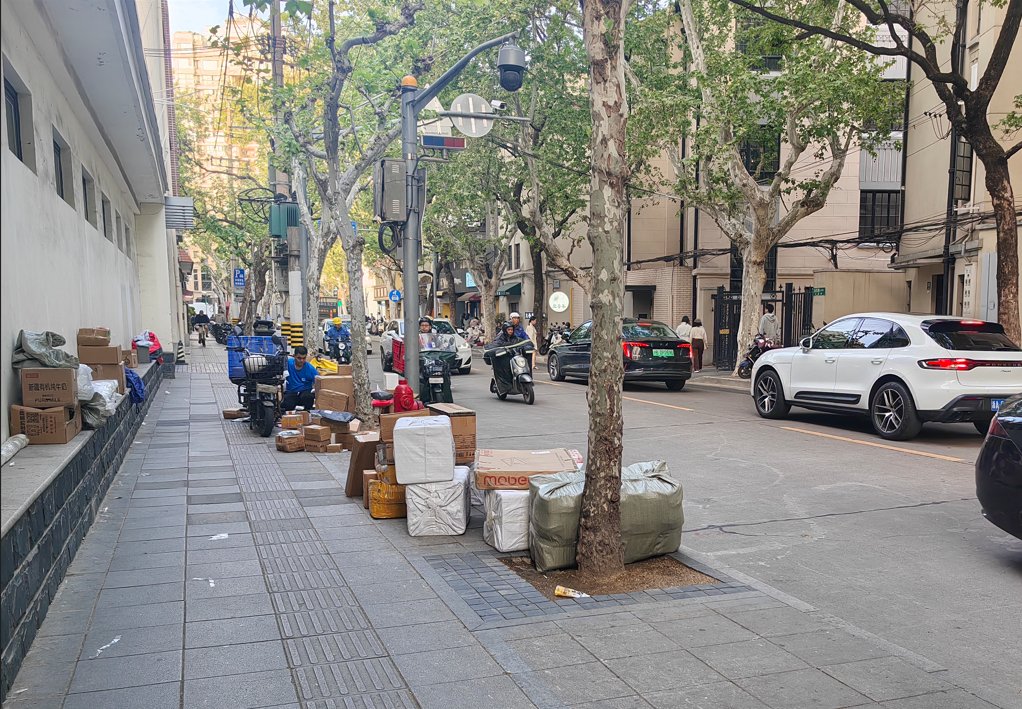
That trust, that peace, is not accidental. It is the fruit of something deeper:



You have 1 comments