
Views: 63
Shanghai city life
Frans Vandenbosch 方腾波 04/05/2026
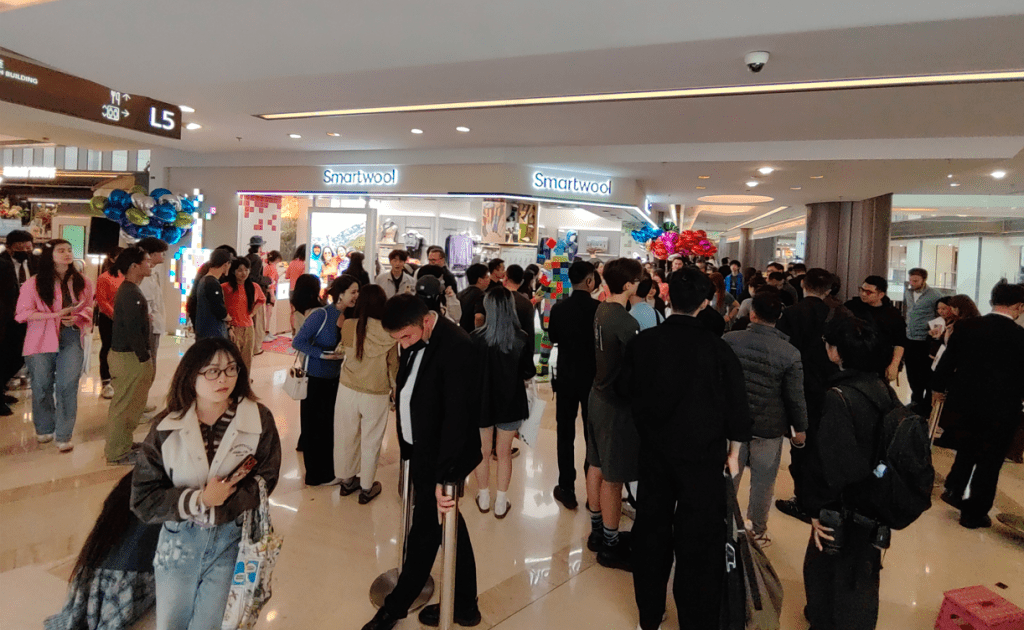
New shop opening
in Shanghai Xujiahui Grand Gateway 66 South Tower. What a mad rush !
Lunchtime on the pavement
At lunchtime, the small restaurants are bustling and packed to the brim, so people spill out onto the pavement, where little tables and chairs are set up. It creates such a warm, inviting, and wonderfully cosy atmosphere! Truly charming.
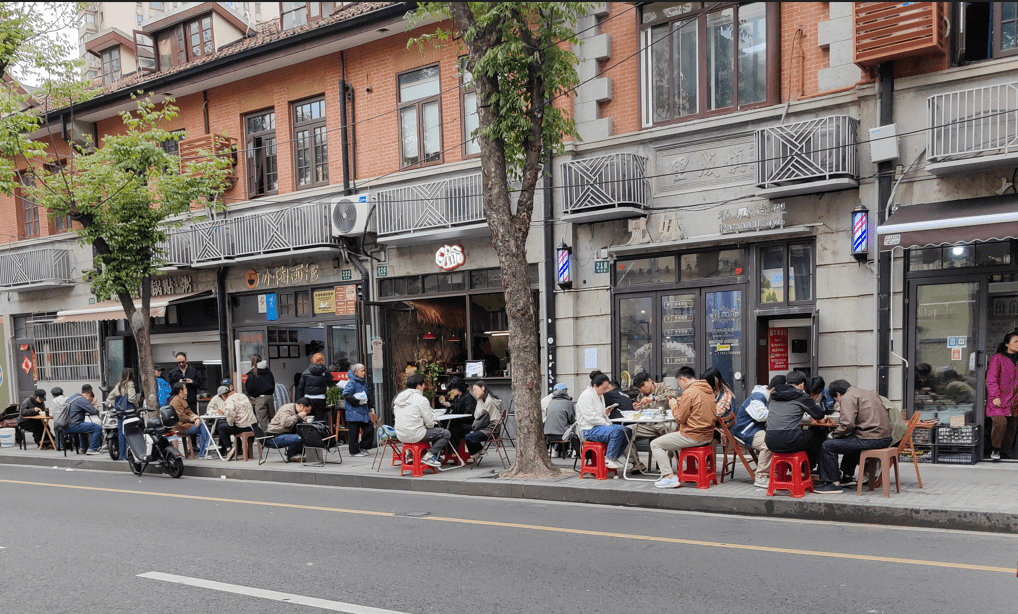
I could hear people laughing, chatting, and even singing. It made me wonder: why do all these Chinese people seem so genuinely happy?
The dentist (again)
The Fudan University Zhongshan Hospital is huge !
Imagine having nearly 800 top doctors and specialists at your service; that’s the power of Zhongshan Hospital of Fudan University. Go ahead, make your choice.
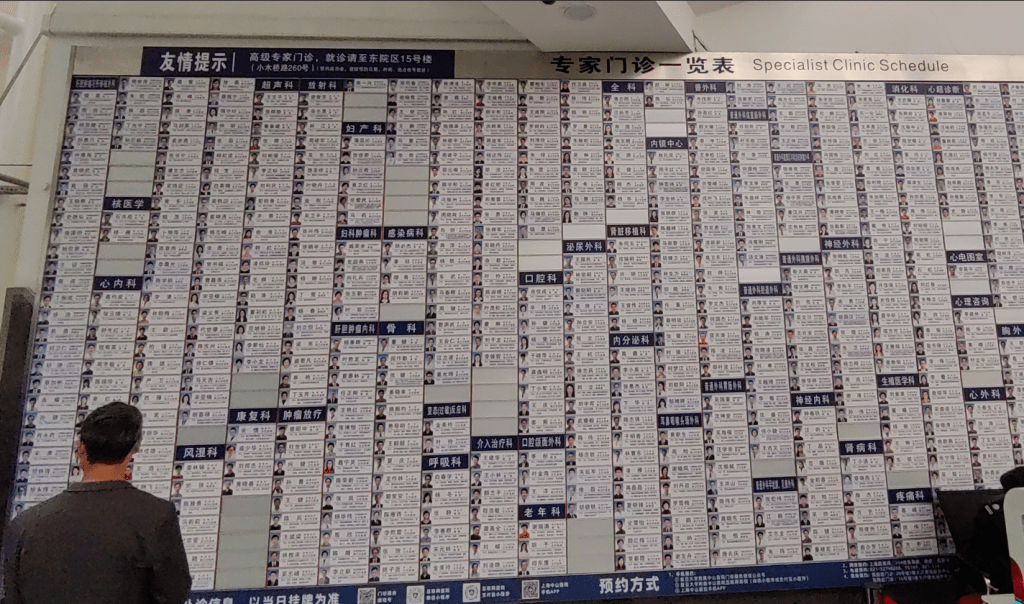
Obviously, the better way is to use the dedicated app to select a doctor and make an appointment.
Still no tasty cookies in the waiting room of the dentist department:
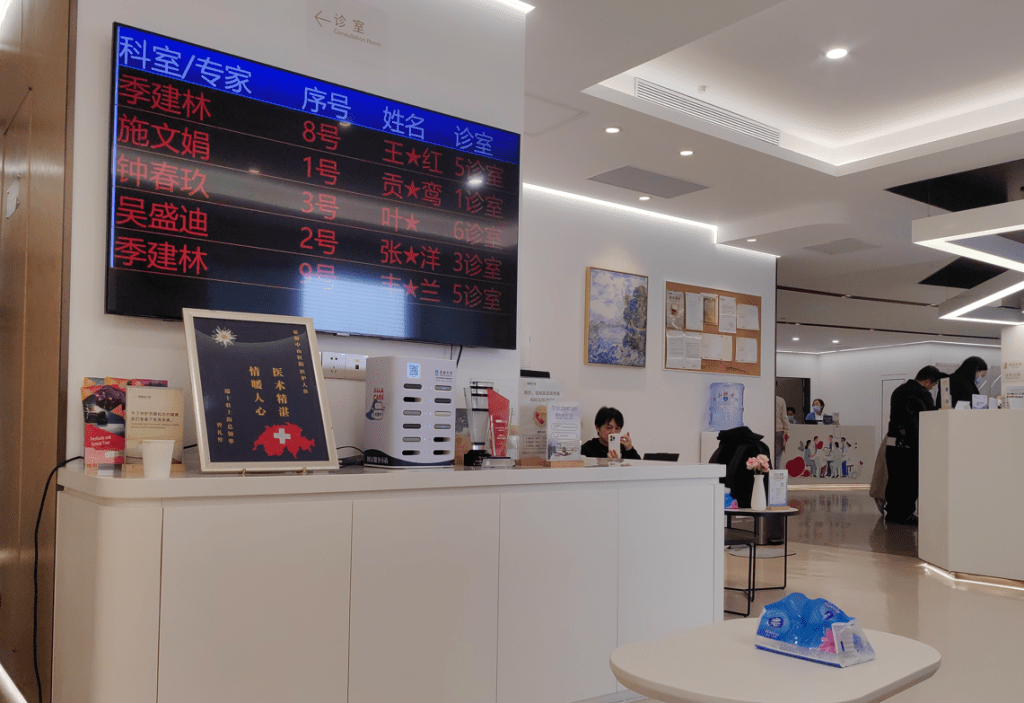
The plastic surgery department. They treat patients up to 100 years old !
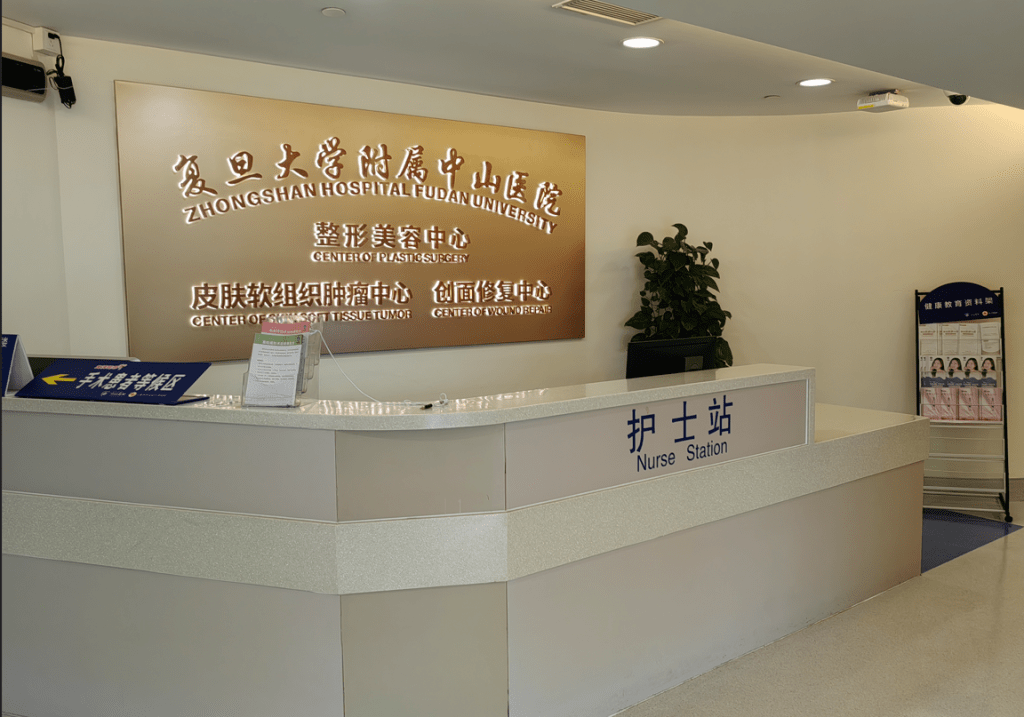
At Fudan University Zhongshan Hospital, I got a prescription medicine twice as effective as the common medicine in Europe, at one-third of its cost. There must be something very wrong with the western pharma industry. As I wrote two months ago.
The wǔjiào 午觉:
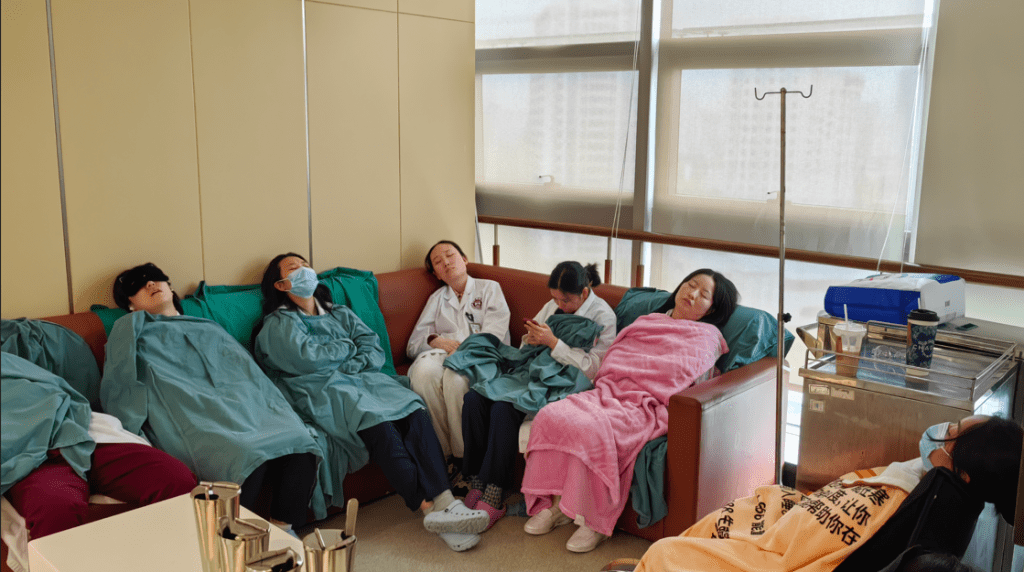
Photo: doctors sleeping their wujiao at 13:30 h
In China, the midday nap, known as wǔjiào, is a thriving cultural habit supported by around seventy per cent of adults and even encouraged by employers and schools as a way to boost afternoon productivity. The tradition is rooted in traditional Chinese medicine and the concept of balancing yin and yang; it remains a normal part of the working day.
By contrast, the Spanish siesta, though famous worldwide, is in decline. A majority of Spaniards rarely or never nap and the long afternoon break is increasingly seen as outdated in modern urban life, forcing people to work late into the evening.
Scientific research confirms that a short nap can improve memory, alertness and creativity, and may even lower blood pressure. The ideal nap length is twenty to thirty minutes. Any longer risks sleep inertia, that groggy feeling after waking. The best time is early afternoon, before two or three o’clock, when the body naturally experiences a dip in energy.
For those considering adopting this habit, brief and consistent naps are recommended. A quiet, comfortable environment is helpful, though it should not be made too similar to a night time bedroom. Occasional short naps are generally safe and healthy for most people. In summary, a twenty to thirty minute power nap in the early afternoon is a simple, evidence based way to recharge, and it mirrors the healthiest aspects of both Chinese and Spanish traditions.
The demolition of a Dynasty
For over two decades, the corner of Zhaojiabang Road and Jiashan Road in Shanghai’s Xujiahui District was defined by a single landmark: the Dynasty Restaurant and Hotel. This establishment was a glittering symbol of Shanghainese prosperity, family celebration and indulgent Benbang cuisine. Dynasty opened its doors in July 2001 at number 288 Zhaojiabang Road, inside the Dingxin Building. From day one, it set itself apart. A stretch limousine parked outside signalled luxury, while inside a sprawling banquet hall hosted a generation’s most cherished moments. Countless weddings, reunion dinners and milestone anniversaries unfolded under its chandeliers. Its menu, rooted in classic Shanghai or Benbang flavours, featured legendary dishes like Crystal Shrimp, Sautéed Fresh Crab Meat and a famously tender Swiss steak. For many locals, a meal at Dynasty was a rite of passage and a taste of the city’s rising affluence.
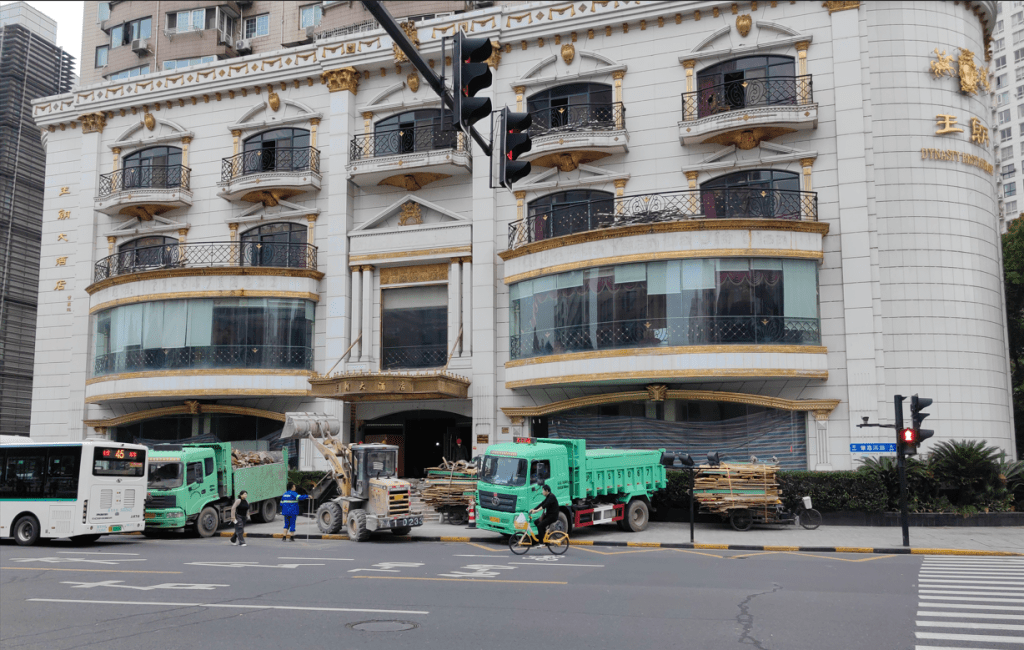
After 24 successful years, Dynasty abruptly closed its doors in July 2025. The owner, Dong Rongting, cited a newly enforced environmental regulation that made it impossible to retrofit the building’s ageing exhaust system to meet emission standards. It was a sudden and unceremonious end to an era. Though the restaurant shut in mid-2025, its physical space lingered empty for months. Then, on 24 April 2026, demolition crews moved in to gut the interior. News reports and social media posts from that day showed walls being stripped, kitchens dismantled and the last traces of Dynasty erased, marking the true and bitter end of the landmark.
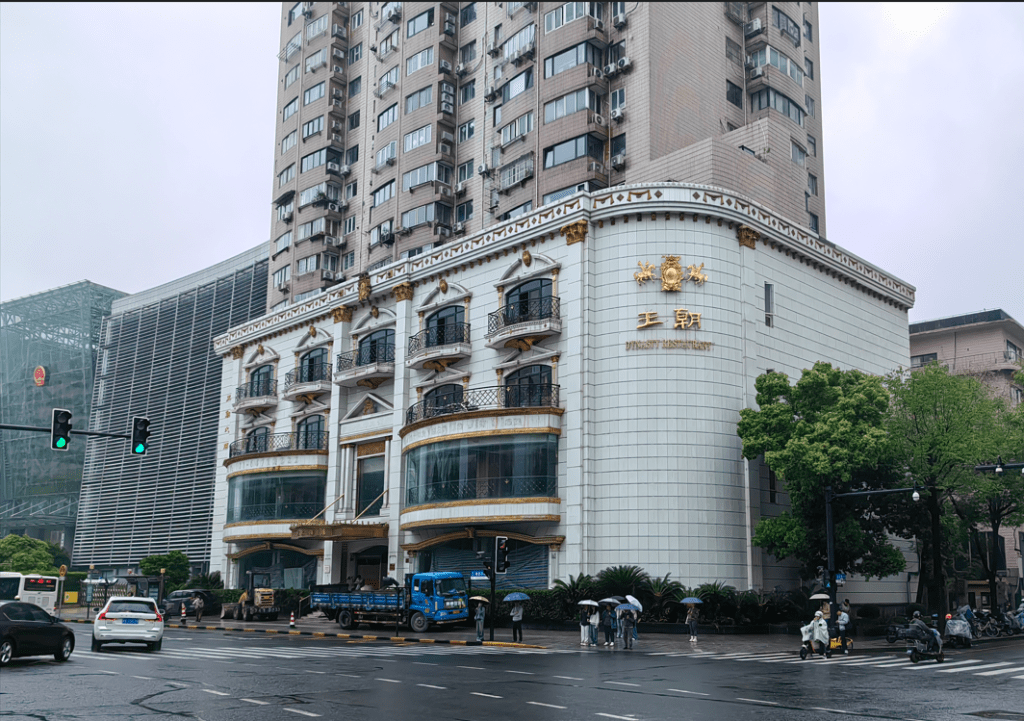
Despite the demolition, Dynasty’s story is not entirely over. Dong Rongting has announced plans to revive the brand at its original, even older location on Zhajiabang Road, aiming to recreate the nostalgic spirit of 1990s Shanghai dining for a new generation. For now, the corner of Zhaojiabang and Jiashan has fallen quiet, but the memory of Dynasty, its limousines, its crab meat and its banquet halls, remains etched in the city’s heart.
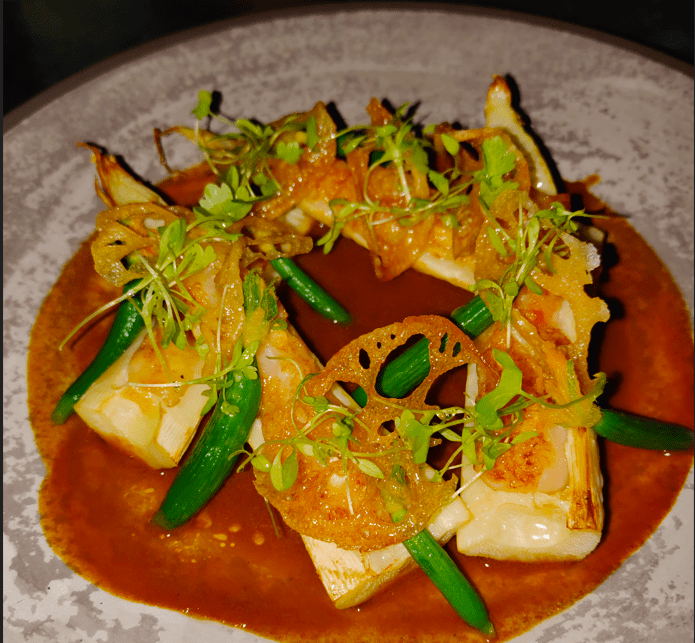
Haute cuisine
at Gubi Gubi at the corner of Jiashan road and Yongjia road
Suntop
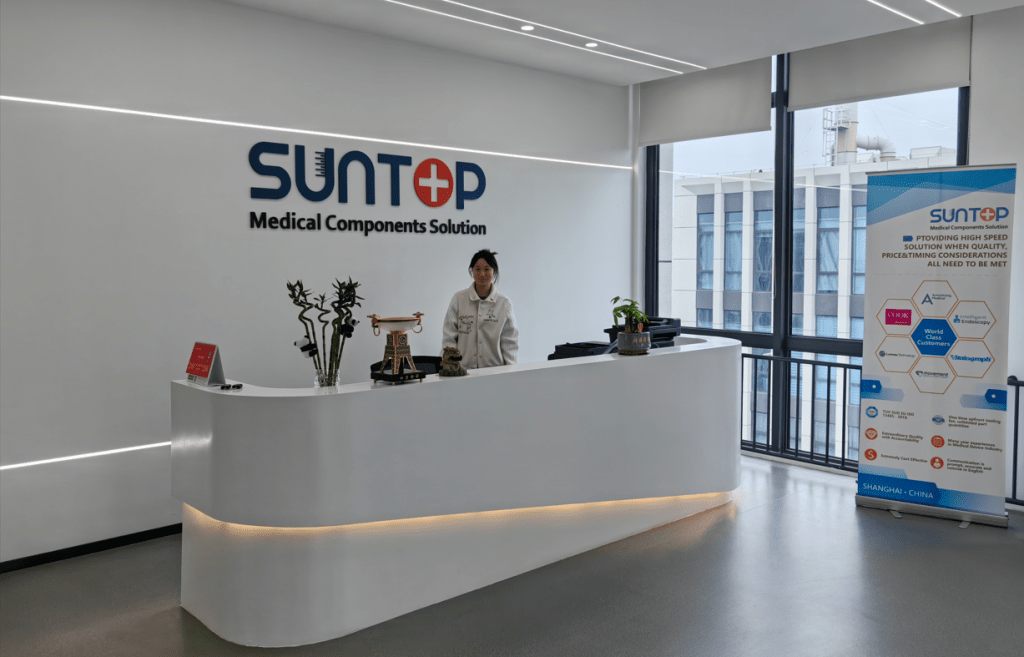
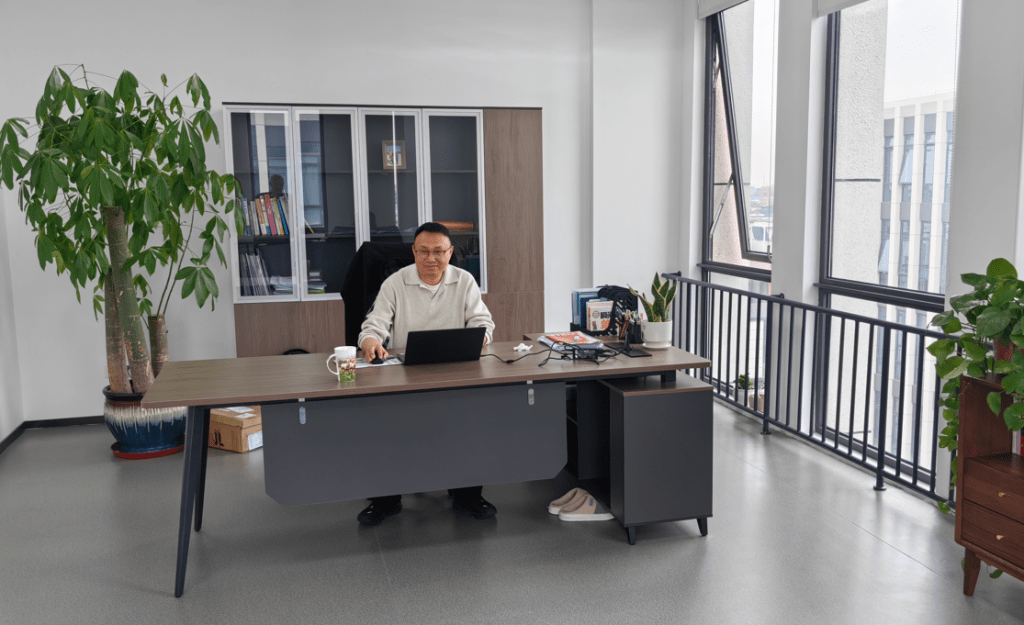
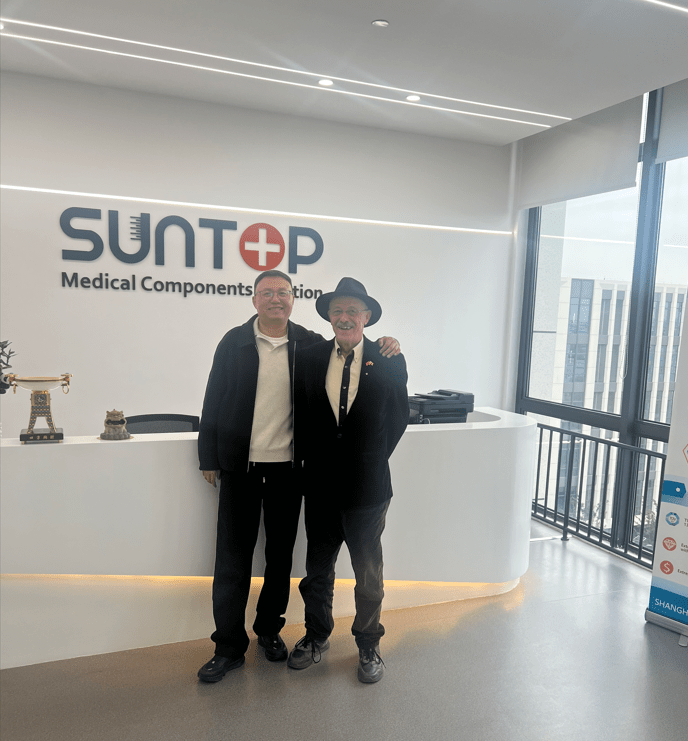
My good friend Colin Zhao, the owner of SUNTOP
Colin has his company in Tower No. 3. at.389 Zhaojiajing Road 389. Songjiang, Shanghai.
He manufactures medical devices there for the EU market. I’m supporting him to set up a new production line for stomas.
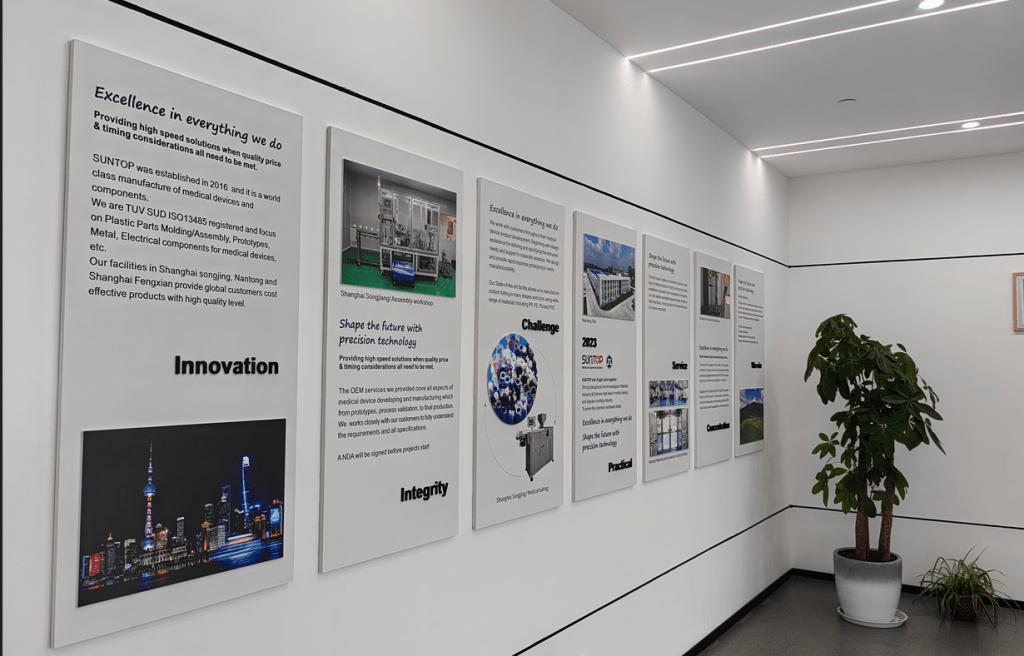
A peek inside the cleanroom:
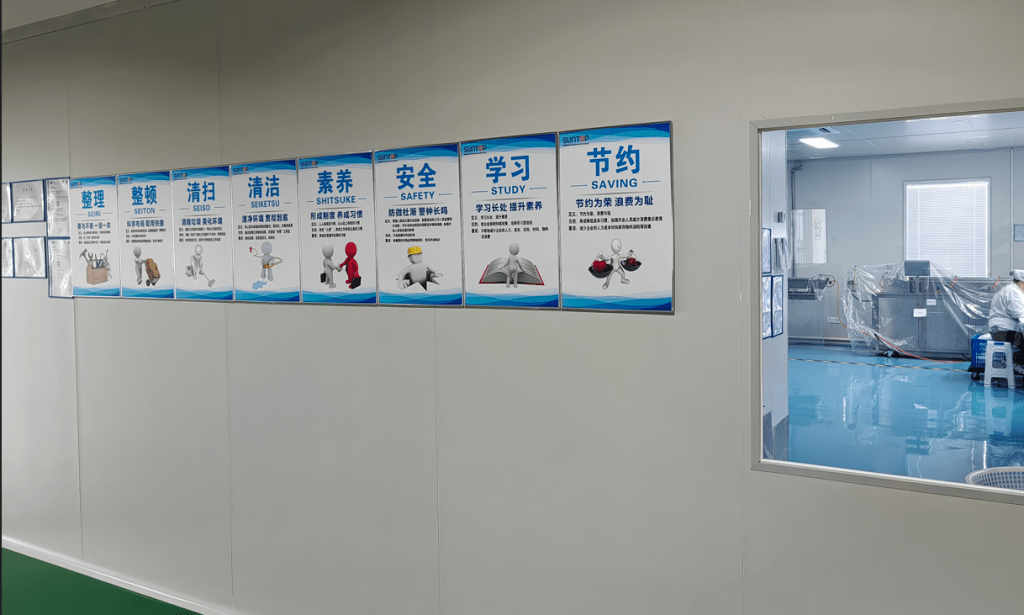
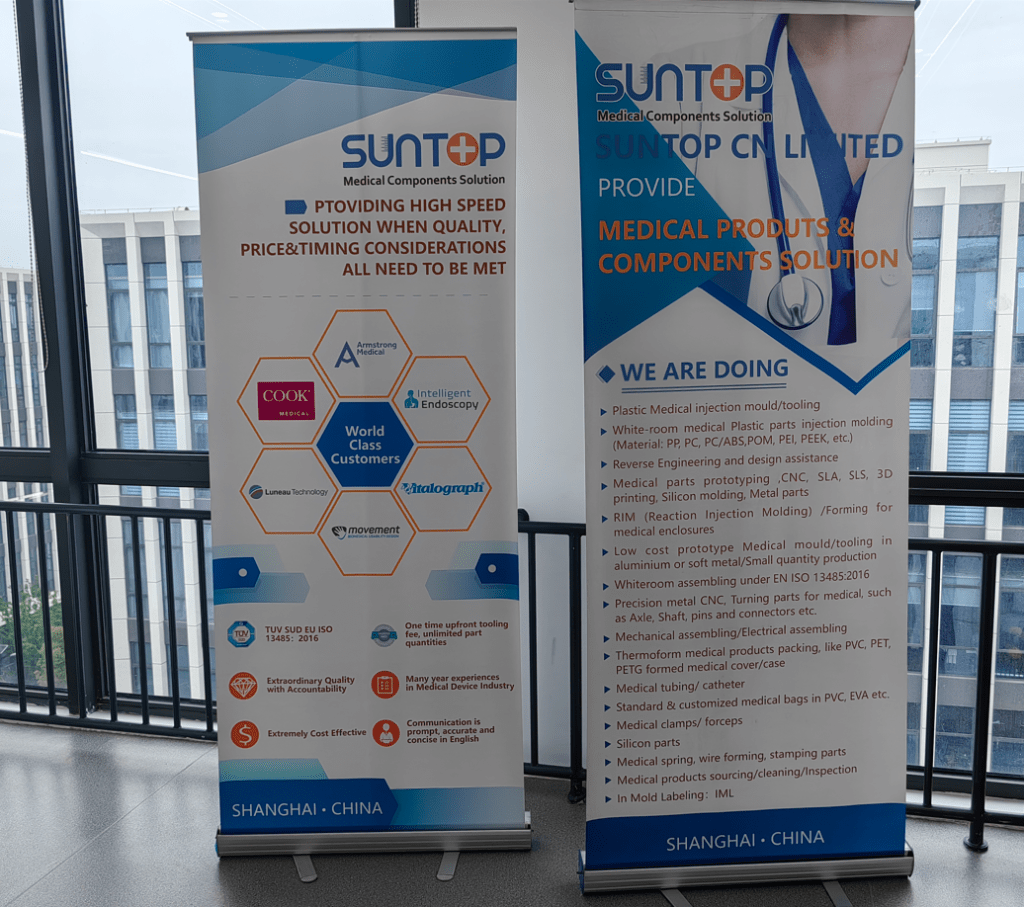
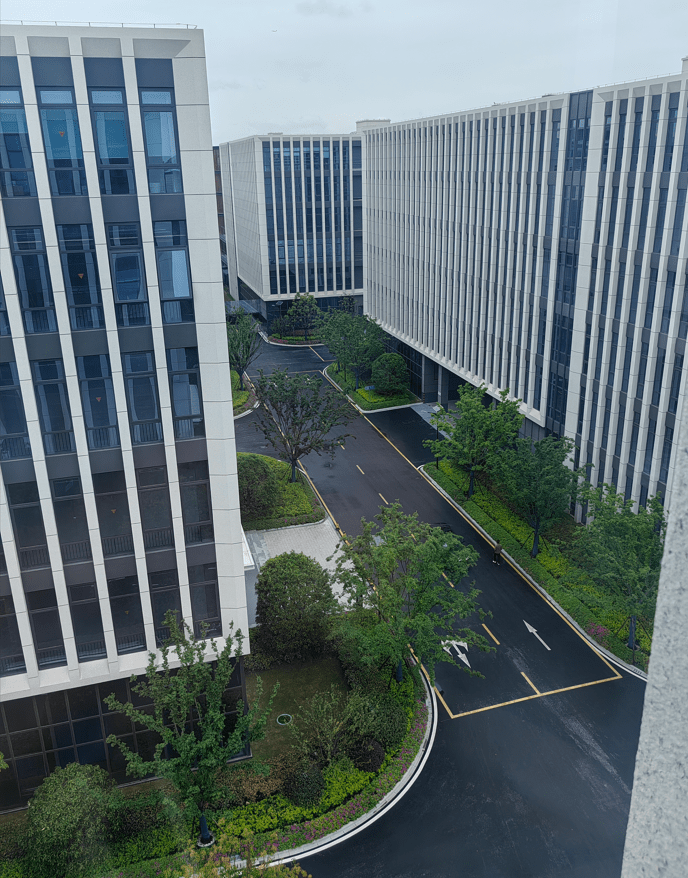
In Songjiang, Shanghai, manufacturing companies are now being housed in high-rise buildings to preserve agricultural land, which is scarce in China. These are not office buildings, but thousands of production enterprises. Such businesses stand as far as the eye can reach to the horizon.
Beneath each building are three levels of parking. The luxury cars parked there are unlike any I have seen in a single company in Europe.
At noon we ate a beastly good meal in a dead chic Chinese restaurant:
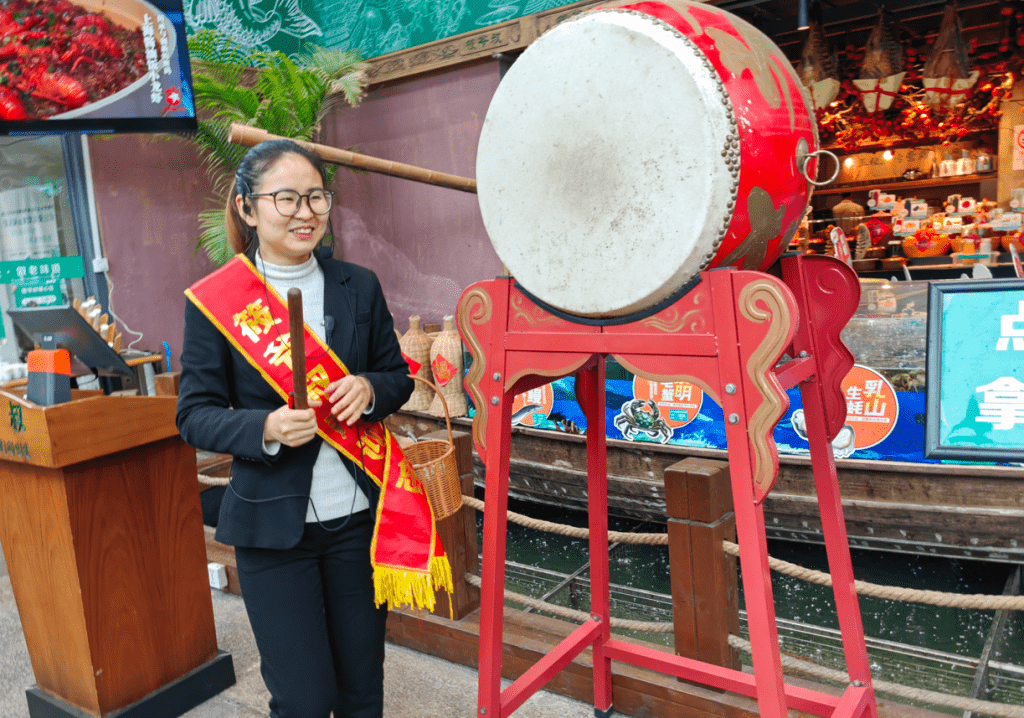
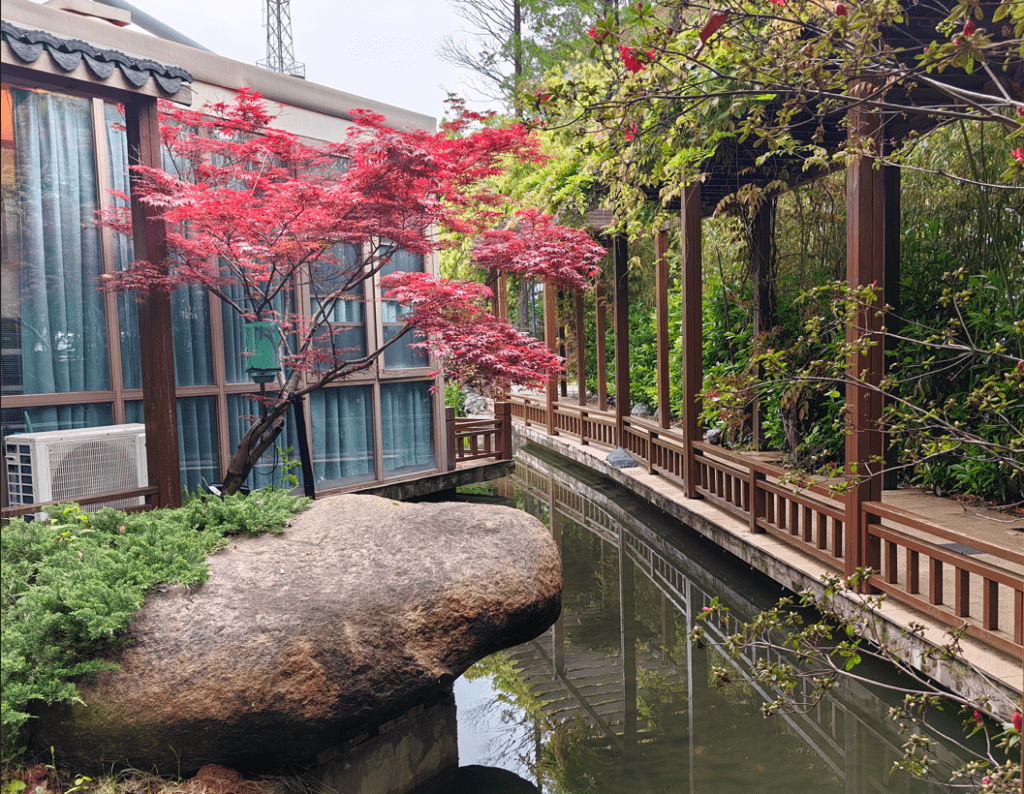
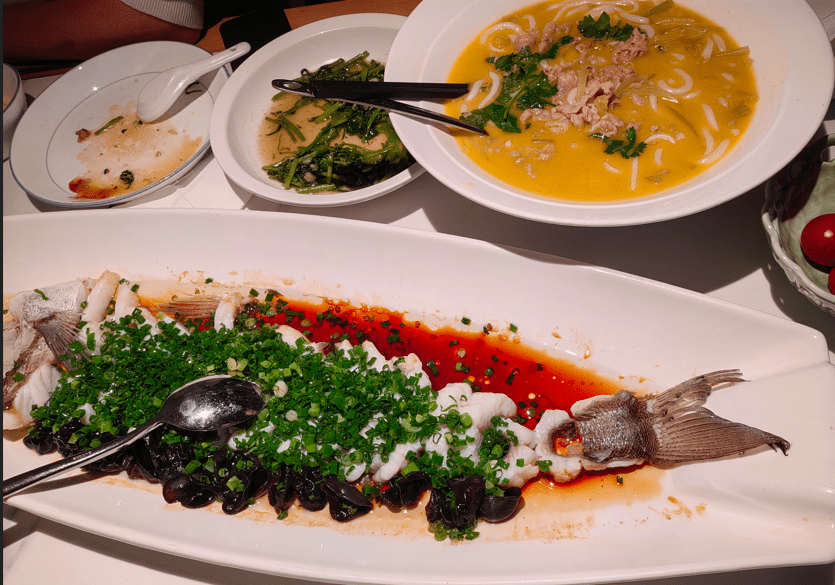
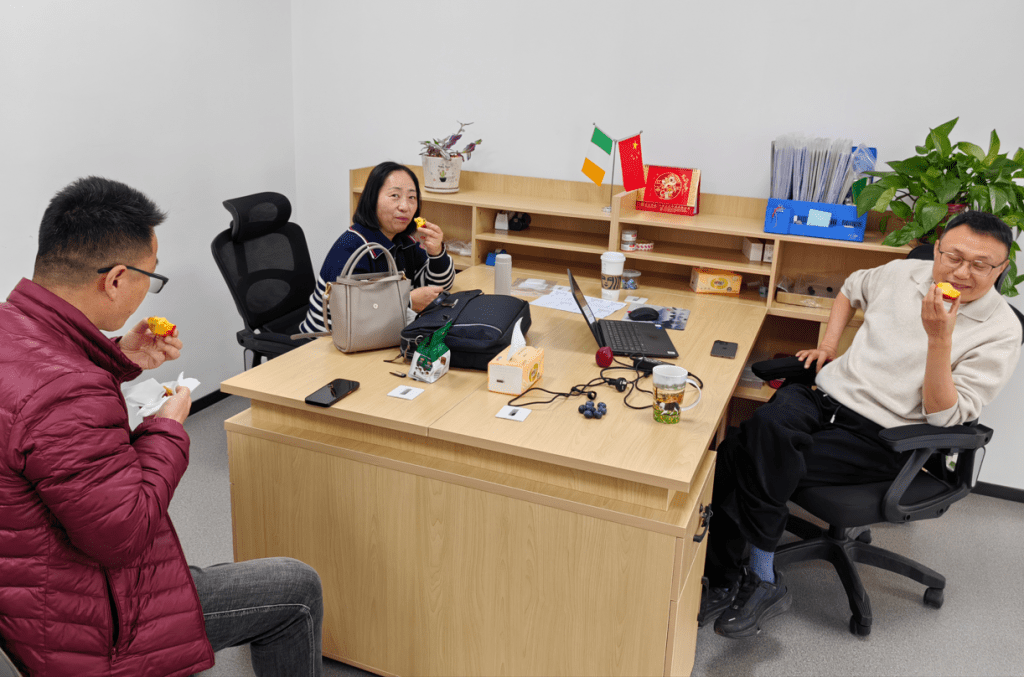
There is no sense of stress in Chinese companies. The future looks more than rosy, it gleams with promise.
Colin Zhao (far right, now the owner of SUNTOP) was my production manager almost twenty years ago. Li Min (in the centre) was my Quality Manager.
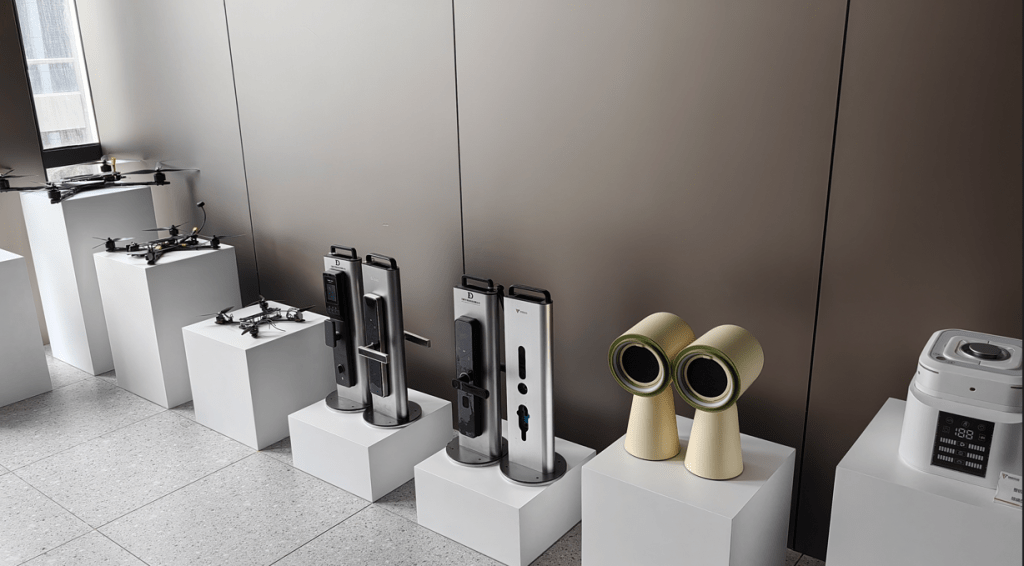
Later in the afternoon, we paid a visit to Fengtang, a company engaged in the manufacture of (military) drones, robotic hands, and other cutting-edge technologies.
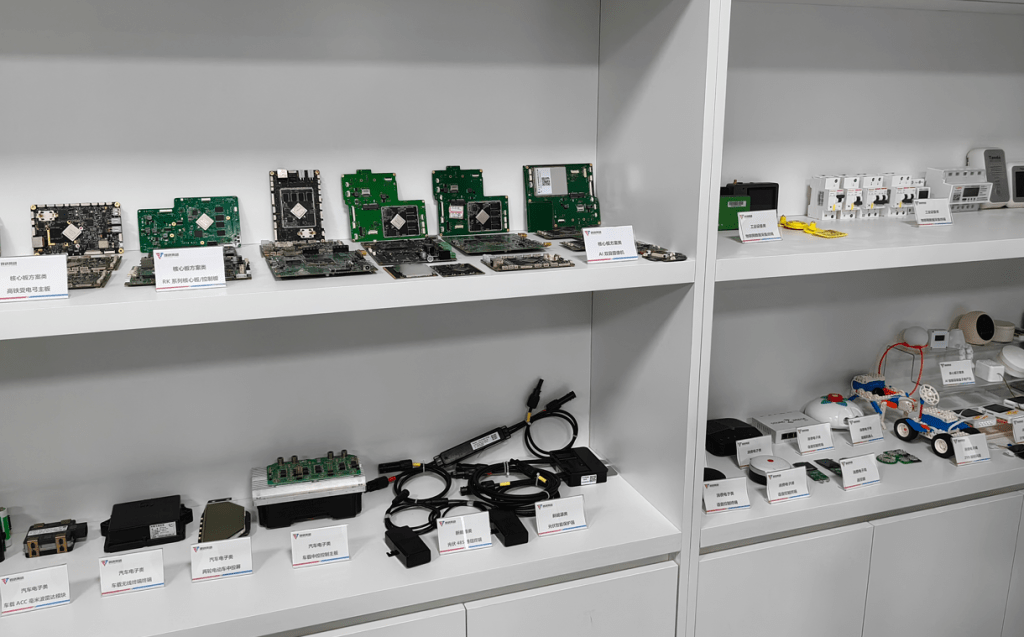
Mr. Yang Ning, the Chief Executive Officer, received us in his exceptionally spacious office, where we were treated to both excellent coffee and a serving of Maotai. He granted me unrestricted permission to photograph every component, every minute detail. He allowed me to speak directly with his designers, gave me a full tour of the cleanroom, the production department, the PCB manufacturing line, and the automation and robotics sections. In short: everything.
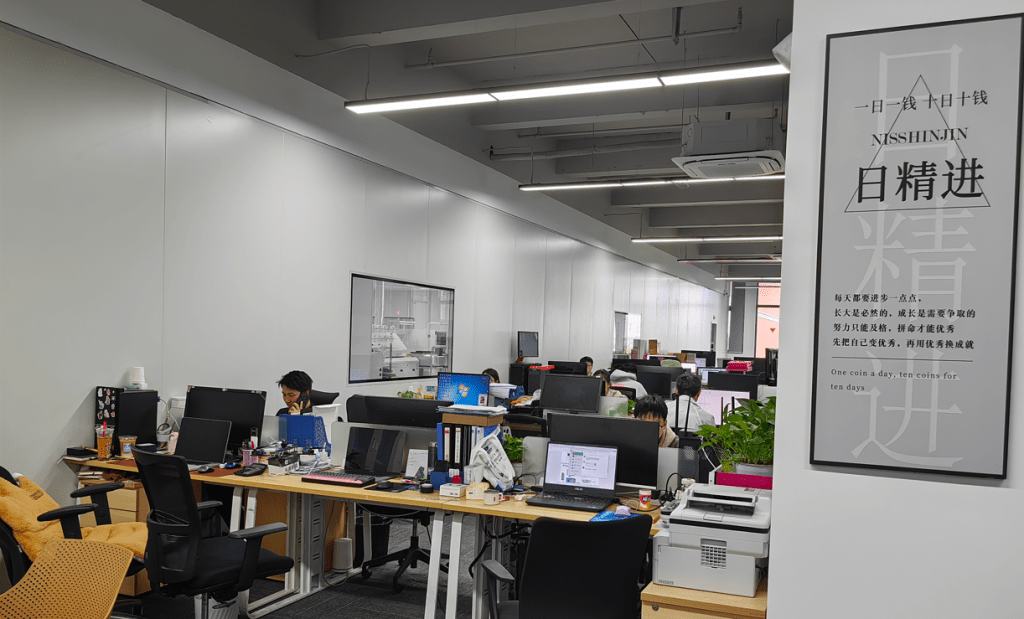
“We have no concerns about trade secrets or patents,” Mr. Yang told me. “By next week, all of this will already be obsolete; that is how fast this industry moves.”
The cleanroom:
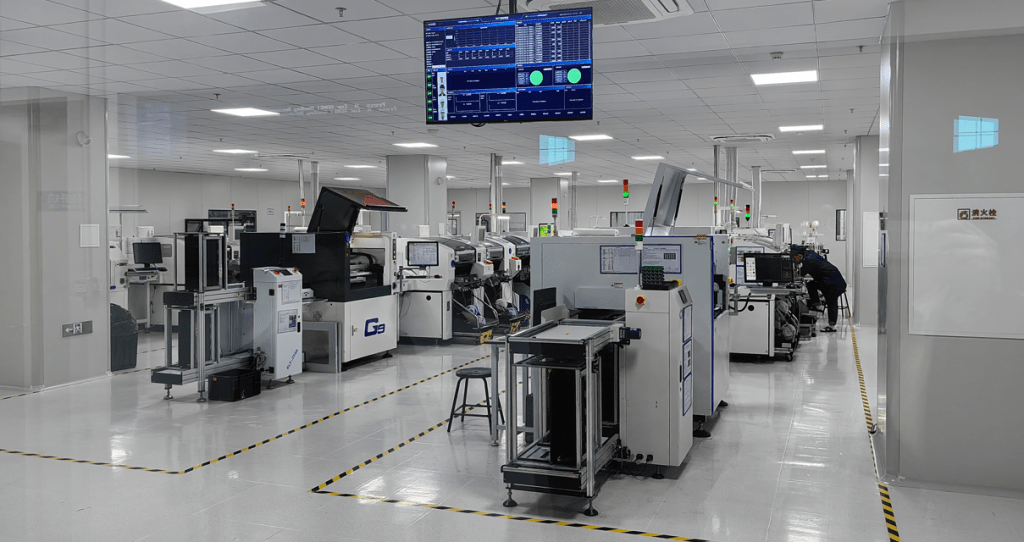
That pace of innovation is something we in Europe simply cannot match.
I was so completely gobsmacked by it all that I thought to myself: ‘Where on earth is the future of European industry headed?’ and ‘How will the coming generations in Flanders manage to attain any real wealth at all?’
But beyond industrial competitiveness, an even deeper contrast has begun to reveal itself, one that reshapes the very foundations of society:
While Europe watches its own hard-won liberties crumble like old sandstone, here in China we dwell in a lush garden of calm and concord, where the fruits of freedom and democracy ripen in abundance, a bittersweet mirror to their withering elsewhere
Thank you for reading! We’d love to hear your thoughts. Please share your comments here below and join the conversation with our community!
本文中文:
Dit artikel in het Nederlands: China reis 2026 – deel 5



Rather than fighting China, the USA should join them and learn from its prominence in many areas. We can also share our areas of strength.
We may be doing otherwise. Our balance shows deep imbalance. Better to build up financial balance than a race to munition and bankruptcy.
Thanks for sharing this story. I’m glad China is moving forward peacefully the way you describe it. Sadly, and stupidly, Europe seems headed for war with Russia, and the US continues trying to completely subjugate the rest of the world with its economic clout and military might, which will ultimately lead to the enslavement of most of humanity. China offers the only viable alternative. I hope China’s way prevails and we can join her, because otherwise our future is really bleak, the way I see it.