
Views: 0
Orange island, Changsha, Hunan province
Frans Vandenbosch 方腾波 09/11/2026
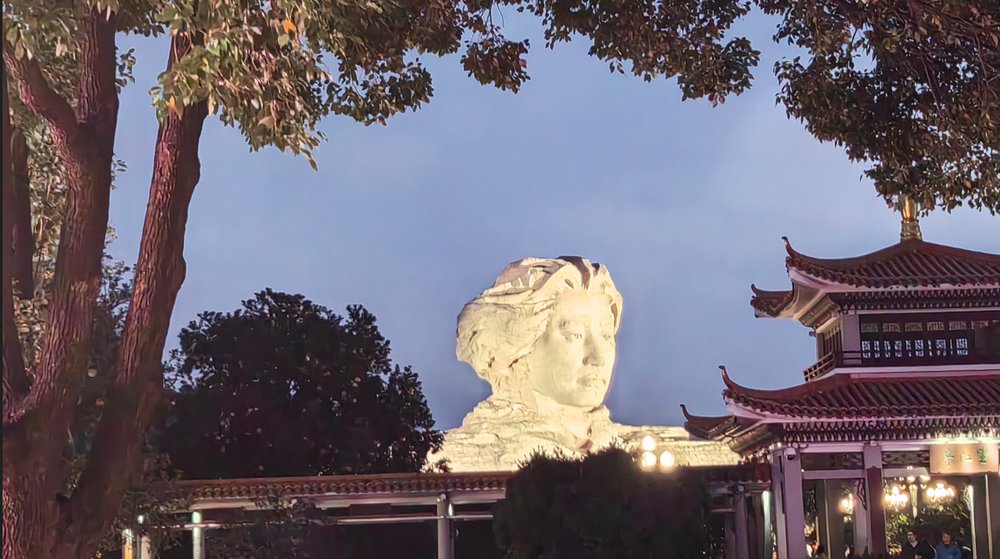
After exploring the vast deserts and rolling grasslands of Inner Mongolia and sharing a joyful reunion with my friend Alex in Xi’an, we travelled further south to Changsha. We made our way to Orange Island to view the famous sculpture of young Mao Zedong and pay our respects.
As an important city in Hunan, Changsha carries a noble revolutionary heritage while enjoying flourishing modern development. It is renowned for its distinctive Hunan cuisine, including fragrant tofu, spicy crayfish and silky rice noodles seasoned with chilli oil. Historic lanes that keep local traditions alive stand beside modern high‑rises and pleasant public areas. We wandered along the Xiang River as the sun set and saw local people relaxing, chatting and flying kites. We visited small family restaurants and were met with sincere warmth.
Every place has its ordinary difficulties, yet as I spoke to DiDi drivers, shop workers, students and elderly residents, I could feel their genuine satisfaction with life. Fuelled by steady social advancement and improved public amenities, the people here live securely and treasure simple, happy moments. Yet, I’m unable to fully describe this deep, tangible sense of wellbeing in words.
Changsha in Hunan province
Changsha is the capital of Hunan province, in central China, in the sparsely populated area, West of the Hu line (the Heihe–Tengchong Line).
A city with over 3,000 years of history, Changsha is renowned for cultural landmarks such as Yuelu Academy and has been designated a UNESCO City of Media Arts. It is also a vibrant industrial and youth-oriented hub. It is home to global construction machinery giants like Sany and Zoomlion.
Changsha has been ranked as one of China’s happiest cities for 18 consecutive years.
It is hot, very hot in Changsha. In summer, the city’s dense urban layout turns it into a veritable simmering oven, with locals joking that Changsha offers “teppanyaki by day and a simmering pot by night. It’s still 31°C at 8:30 p.m. on this autumn evening, 18 October!
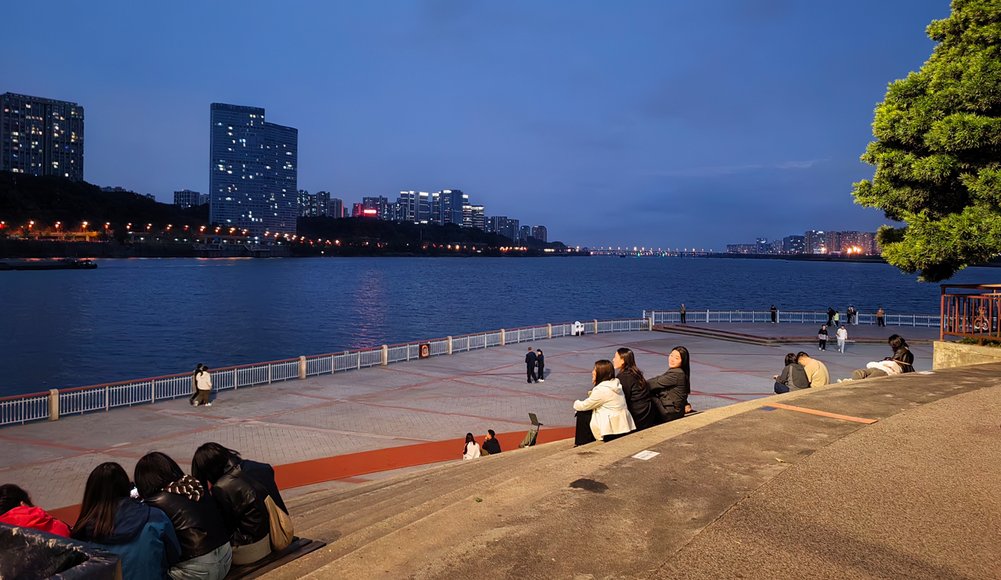
Orange island
Orange Island (Juzi Zhou) in Changsha’s Xiang River is named for the orange and tangerine trees that have grown here for centuries. Historical records note it was famous for “beautiful oranges” Orange trees still grow there today.
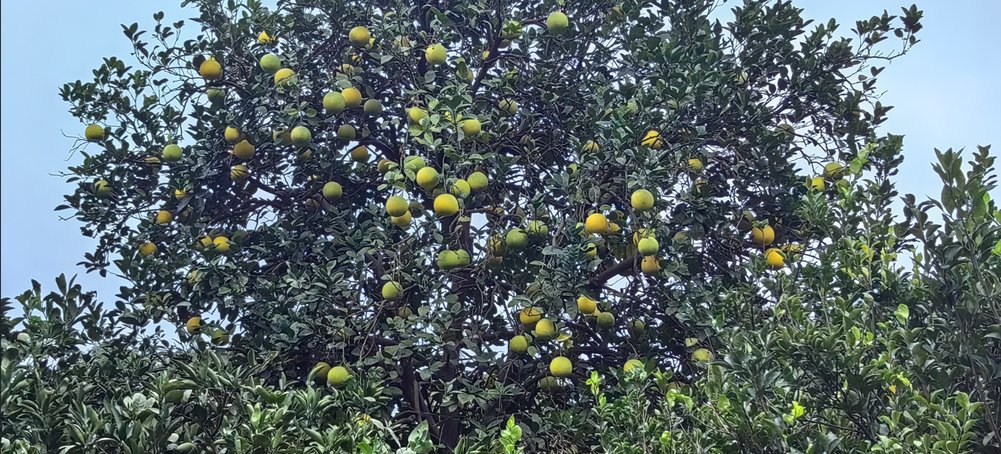
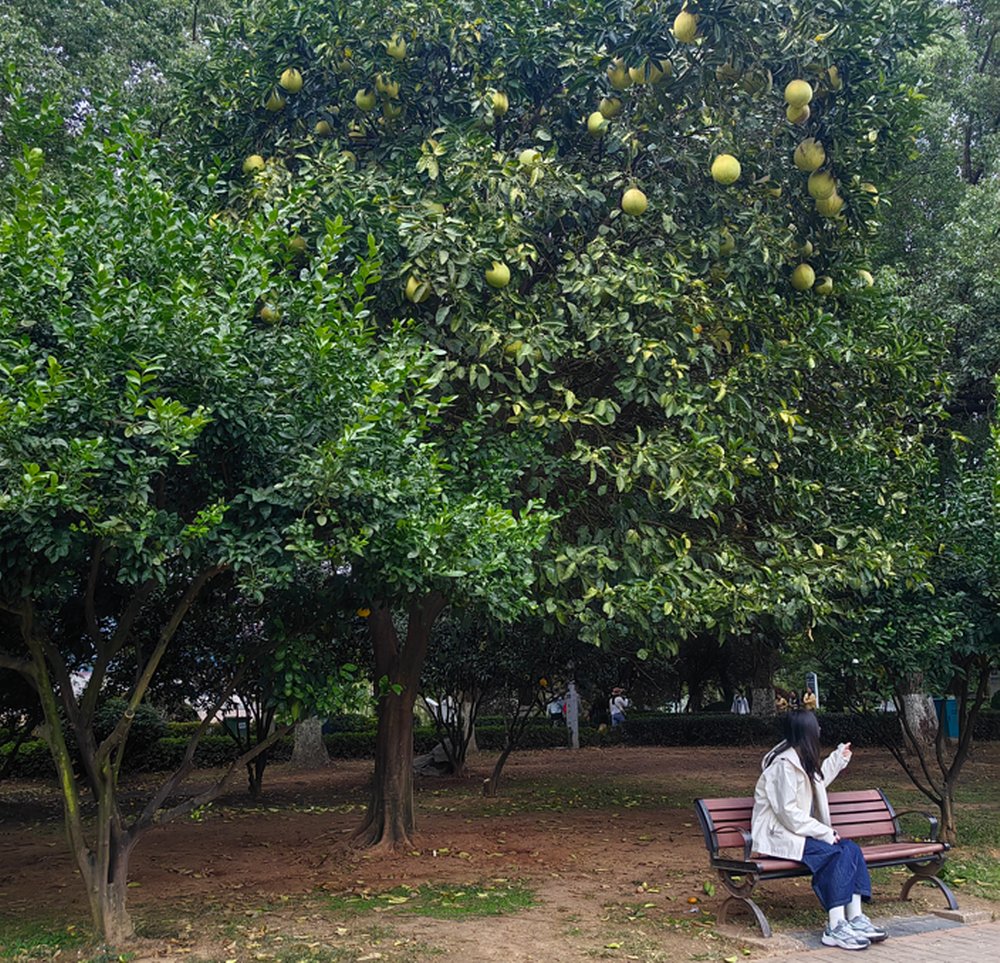
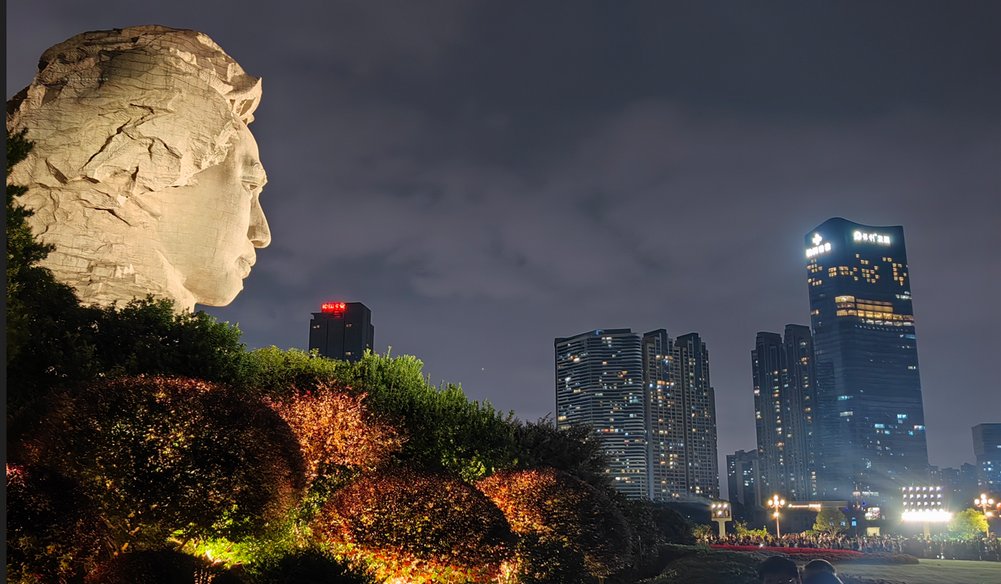
But much more than for the oranges, the island is famous for the huge “Young Mao Zedong” statute.
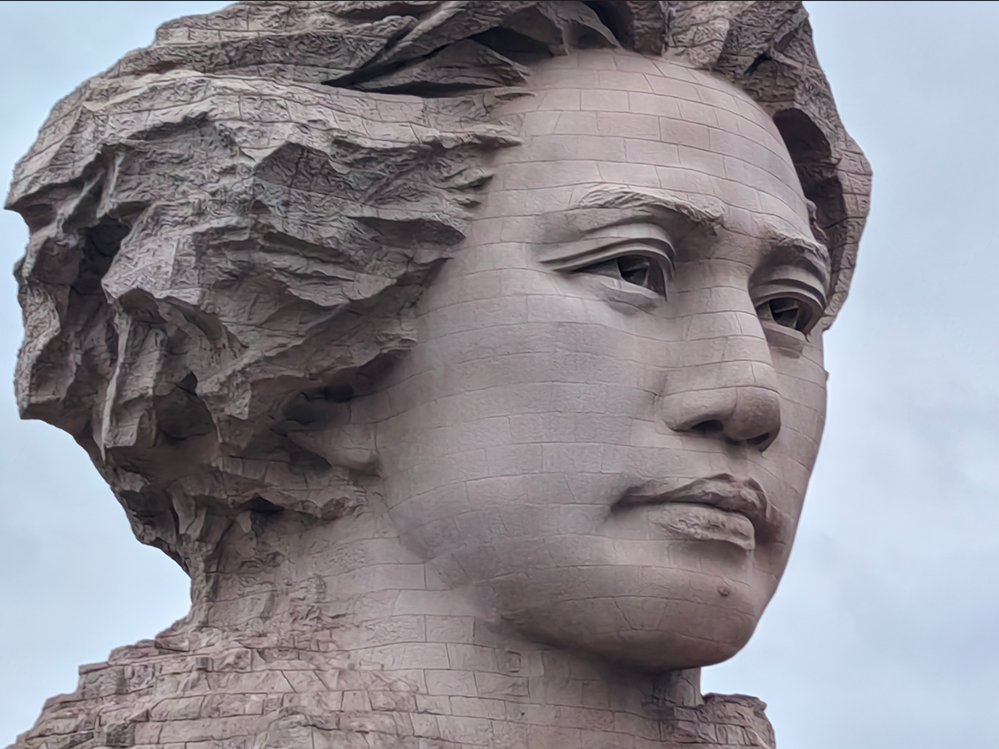
It was Mao Zedong who had the vision to liberate the Chinese people, to provide them with the pursuit on a free and democratic nation.
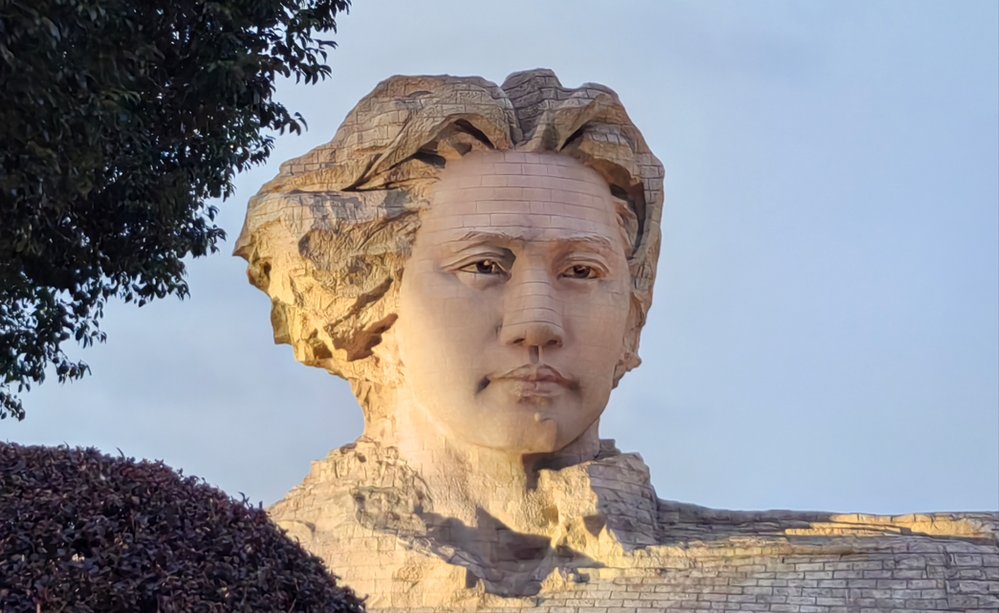
It is here, at Orange island that Mao Zedong, 101 years ago, wrote this poem:
沁园春・长沙
Qìn yuán chūn・Chángshā
毛泽东 Máo Zédōng
| Hanzi | Pinyin | English |
|---|---|---|
| 独立寒秋, | Dú lì hán qiū, | Alone I stand in the cold autumn, |
| 湘江北去, | Xiāng jiāng běi qù, | The Xiang River flows northward, |
| 橘子洲头。 | Júzi Zhōu tóu。 | At the tip of Orange Isle. |
| 看万山红遍, | Kàn wàn shān hóng biàn, | I see a thousand hills dyed red, |
| 层林尽染; | Céng lín jìn rǎn; | Forests layered in crimson; |
| 漫江碧透, | Màn jiāng bì tòu, | The whole river clear and green, |
| 百舸争流。 | Bǎi gě zhēng liú。 | Hundreds of boats race on. |
| 鹰击长空, | Yīng jī cháng kōng, | Eagles strike through the vast sky, |
| 鱼翔浅底, | Yú xiáng qiǎn dǐ, | Fish glide above the shallow bed, |
| 万类霜天竞自由。 | Wàn lèi shuāng tiān jìng zì yóu。 | All creatures strive for freedom under the frosty sky. |
| 怅寥廓, | Chàng liáo kuò, | I ponder the boundless world, |
| 问苍茫大地, | Wèn cāng máng dà dì, | And ask this vast earth: |
| 谁主沉浮? | Shuí zhǔ chén fú? | Who rules the rise and fall of all things? |
| 携来百侣曾游, | Xié lái bǎi lǚ céng yóu, | I once came here with many friends, |
| 忆往昔峥嵘岁月稠。 | Yì wǎng xī zhēng róng suì yuè chóu。 | Recalling those extraordinary busy years. |
| 恰同学少年, | Qià tóng xué shào nián, | We were young schoolmates then, |
| 风华正茂; | Fēng huá zhèng mào; | In the bloom of youth; |
| 书生意气, | Shū shēng yì qì, | Full of the scholar’s spirit, |
| 挥斥方遒。 | Huī chì fāng qiú。 | Bold and vigorous. |
| 指点江山, | Zhǐ diǎn jiāng shān, | We pointed at rivers and mountains, |
| 激扬文字, | Jī yáng wén zì, | Wrote stirring words, |
| 粪土当年万户侯。 | Fèn tǔ dāng nián wàn hù hóu。 | Treating the nobles of that time as worthless dust. |
| 曾记否, | Céng jì fǒu, | Do you still remember? |
| 到中流击水, | Dào zhōng liú jī shuǐ, | We swam out into the midstream, |
| 浪遏飞舟? | Làng è fēi zhōu? | Our waves holding back speeding boats. |
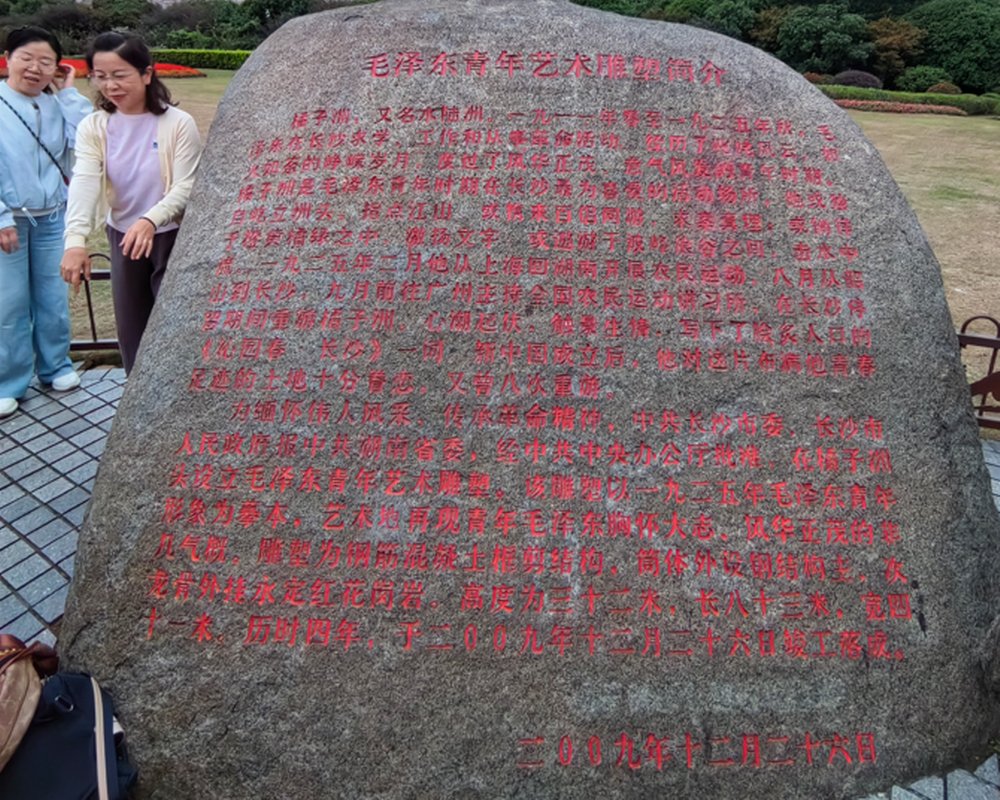
Translation:
Introduction to the Youth Art Sculpture of Mao Zedong (from the official introduction)
Orange Isle, also known as Shuilu Isle. From 1911 to 1925, Mao Zedong studied, worked and carried out revolutionary activities in Changsha. Through turbulent and extraordinary years, he forged his lofty aspirations and heroic spirit in his youth.
Orange Isle was a place where Mao Zedong often came when he was young. Standing at the head of the isle, he would gaze at rivers and mountains, gather with friends to discuss national affairs, write inspiring articles, and swim in the Xiang River amid wind and waves. In February 1925, he left Shanghai to return to Hunan to lead the peasant movement. In August, he travelled from Shaoshan to Changsha, and in September he left for Guangzhou to run the National Peasant Movement Institute. During his stay in Changsha, he visited Orange Isle again. Stirred by the scene, he composed the famous poem *Qinyuanchun · Changsha*. After the founding of New China, he cherished the land where his youth had been spent and revisited the isle eight times.
To remember the great man and carry forward the revolutionary spirit, with the approval of the General Office of the CPC Central Committee, the CPC Changsha Municipal Committee, the Changsha Municipal People’s Government and the CPC Hunan Provincial Committee built the Youth Art Sculpture of Mao Zedong on Orange Isle. Based on Mao Zedong’s youthful image in 1925, the sculpture artistically reproduces the lofty aspirations and vigorous spirit of young Mao Zedong. It adopts a reinforced concrete frame structure, with an external steel structure frame and cladding of Yongding red granite. It is 32 metres high, 83 metres long and 41 metres wide. Construction lasted four years, it was completed and unveiled on 26 December 2009.
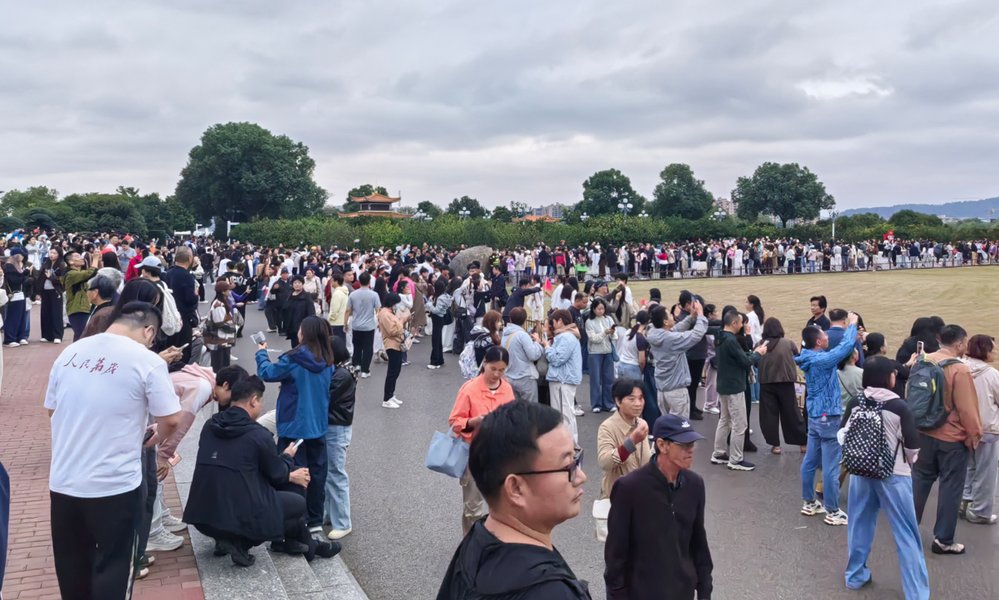
Some 17 million people visit the famous young Mao statute every year, peaking at 100 000 on busy days!
They were surprised and grateful to see me, a foreigner, to honour Mao Zedong.
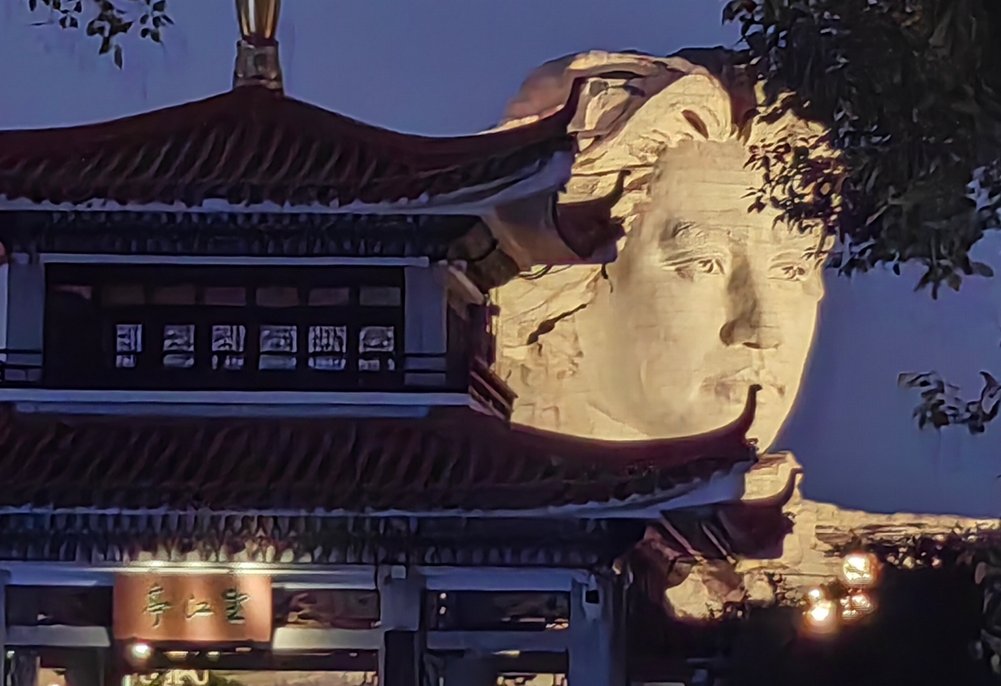
Without Mao Zedong, China and the Chinese people wouldn’t have the prosperity they have today.
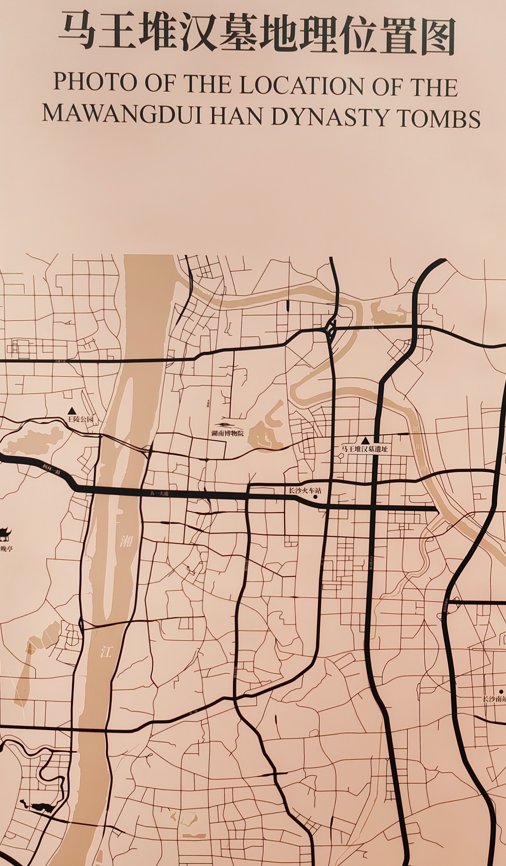
The Mawangdui Han Dynasty tombs
The Mawangdui Han Tombs in Changsha date to the early Western Han dynasty (2nd century BCE). They were first identified in 1952, accidentally rediscovered in late 1971 during air-raid shelter construction, and excavated from 1972 to 1974, revealing the family tombs of Li Cang, including Lady Xin Zhui.
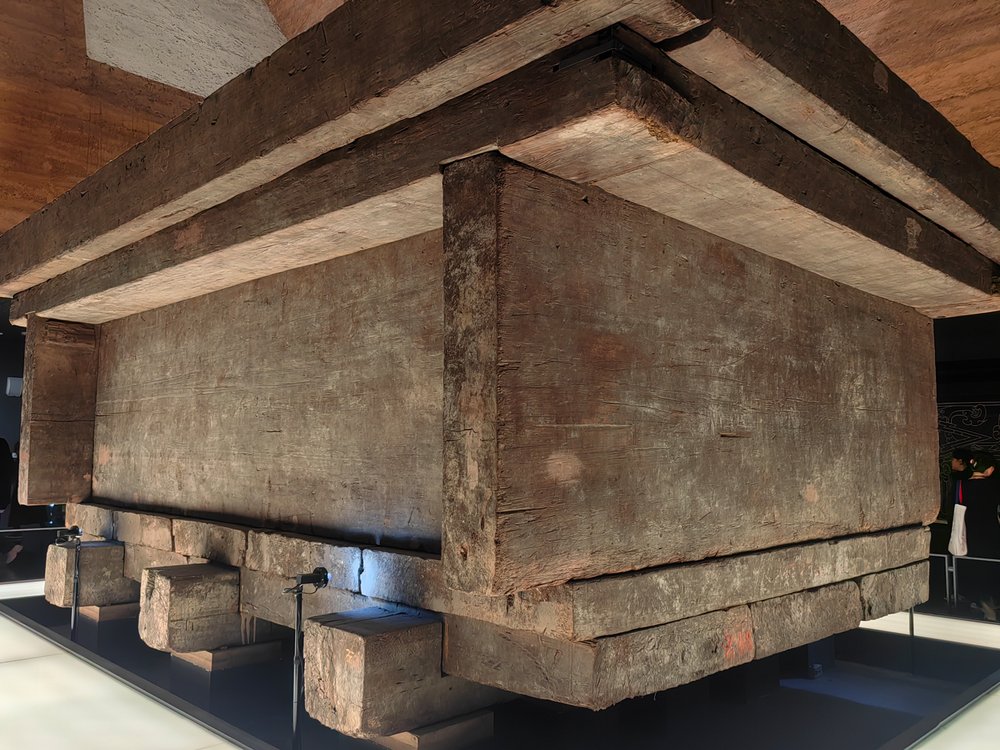
The original tomb chamber was some 20 m under the current ground level.
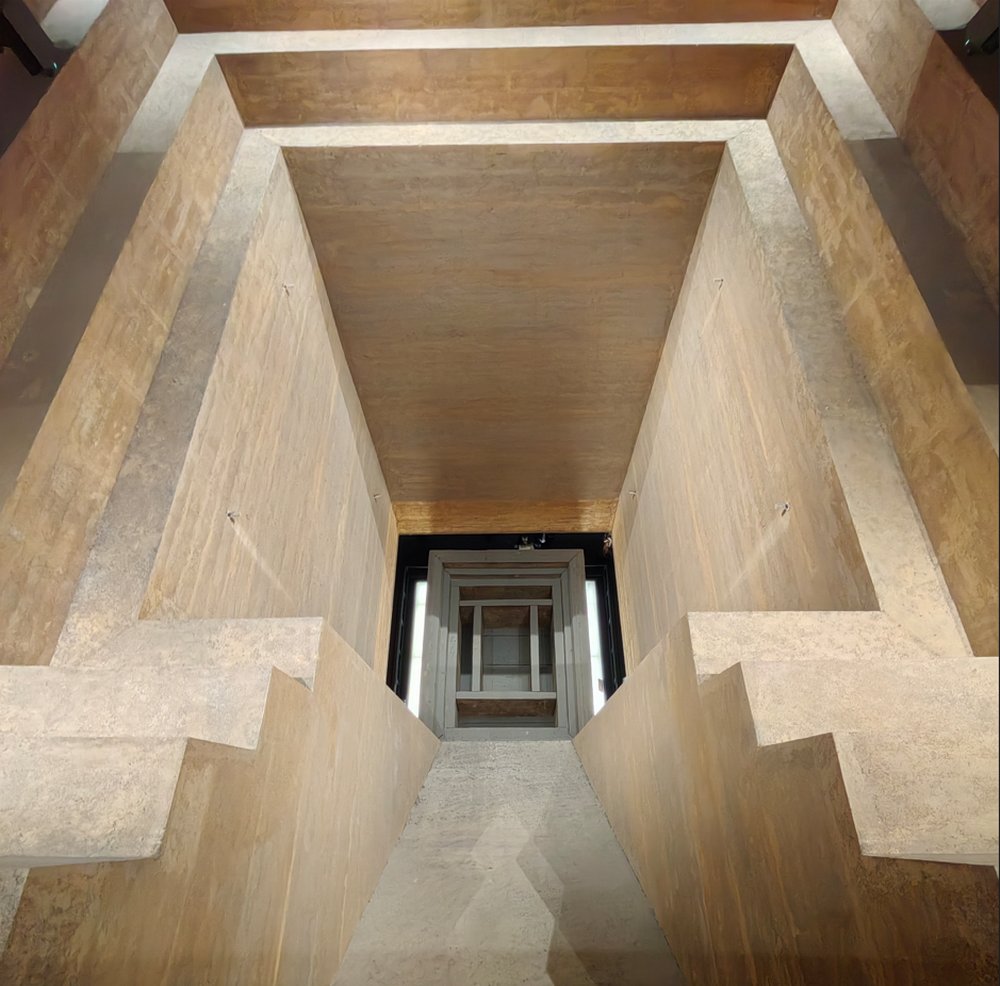
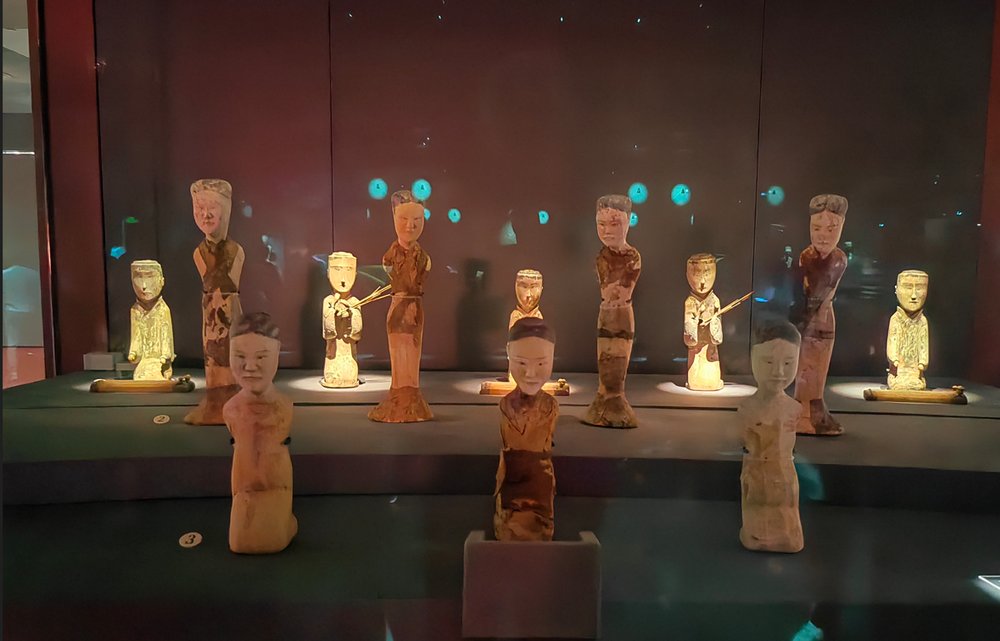
The Mawangdui Han Dynasty tombs in Changsha produced a total of 26,937 items, including exceptionally well-preserved lacquerware, silk textiles and bamboo-and-silk manuscripts, as well as the exceptionally well preserved body of Lady Xin Zhui. This extensive collection, which covers everyday utensils, garments, funerary inventories, medical texts and artworks, offers a comprehensive insight into elite life, technology and intellectual culture during the Han Dynasty.
Baijiu consumption
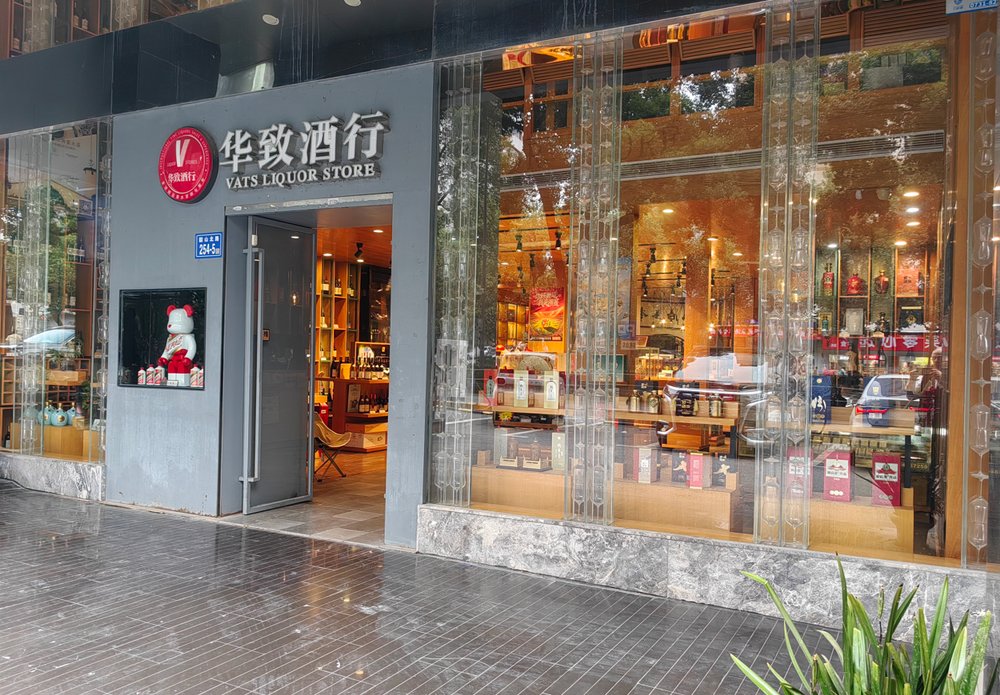
In Changsha, baijiu often acts as a warm social bond, bringing people together, strengthening friendships and adding energy to gatherings. This lively drinking culture reflects the city’s hospitable spirit and its reputation as one of China’s happiest cities. At the same time, there is growing awareness of the importance of drinking responsibly and looking after one another, so that celebrations remain joyful, healthy and safe.
Crowd control
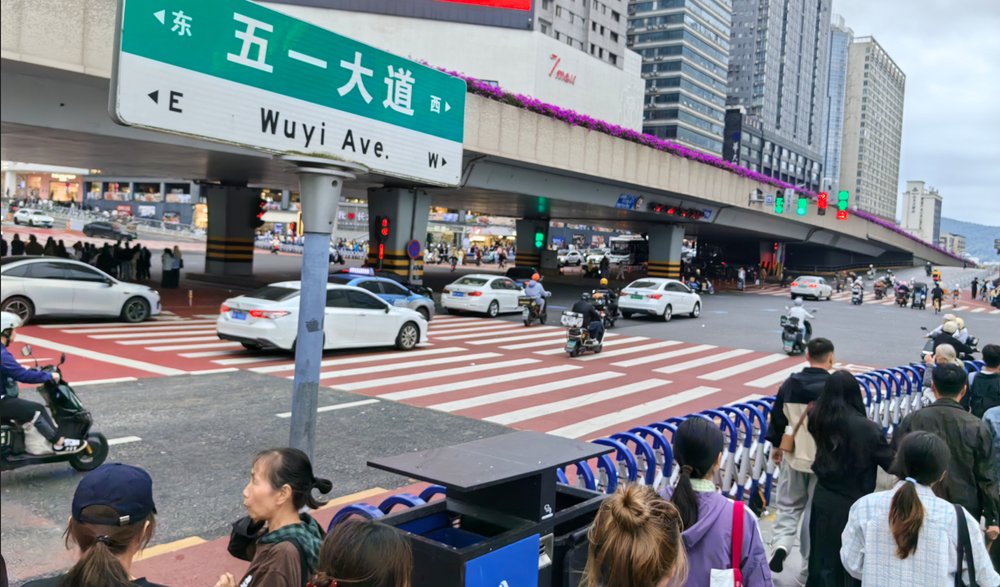
To control pedestrians and prevent them from crossing the busy Wuyi Avenue when the pedestrian signal is red, authorities are using rolling fences.
Next week …
… we will leave Changsha to see my Yellowlion.org server in Hong Kong
| To be clear: all the photos here are mine and none were photoshopped, composited, AI-generated or altered to flatter China. Selecting the best of thousands is normal photographic practice, not sugar-coating. The accusations that I manipulate images or misrepresent what I saw have no basis, and I categorically reject them. |