
Views: 138
Shanghai to Nanjing
Frans Vandenbosch 方腾波 20/04/2026
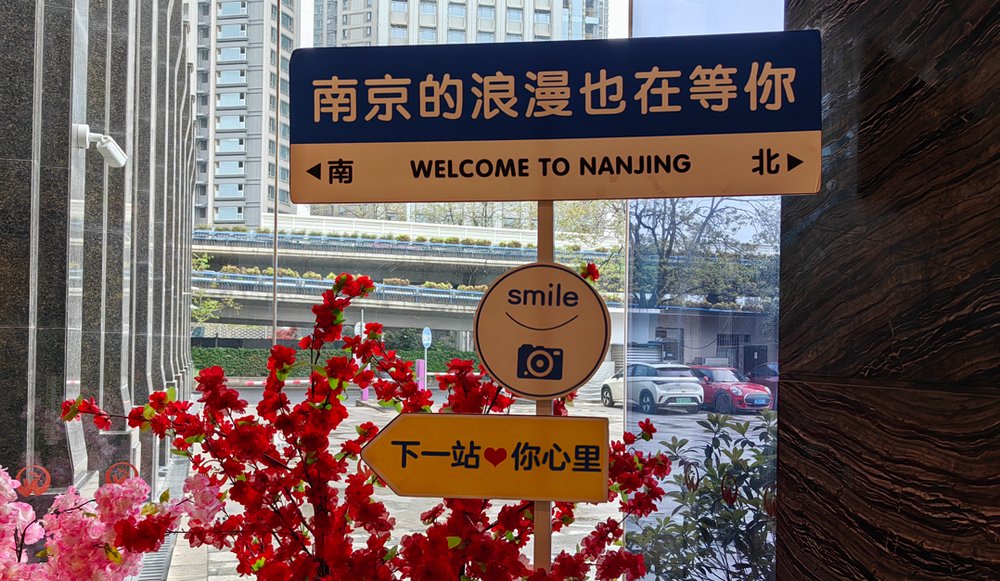
HST to Nanjing
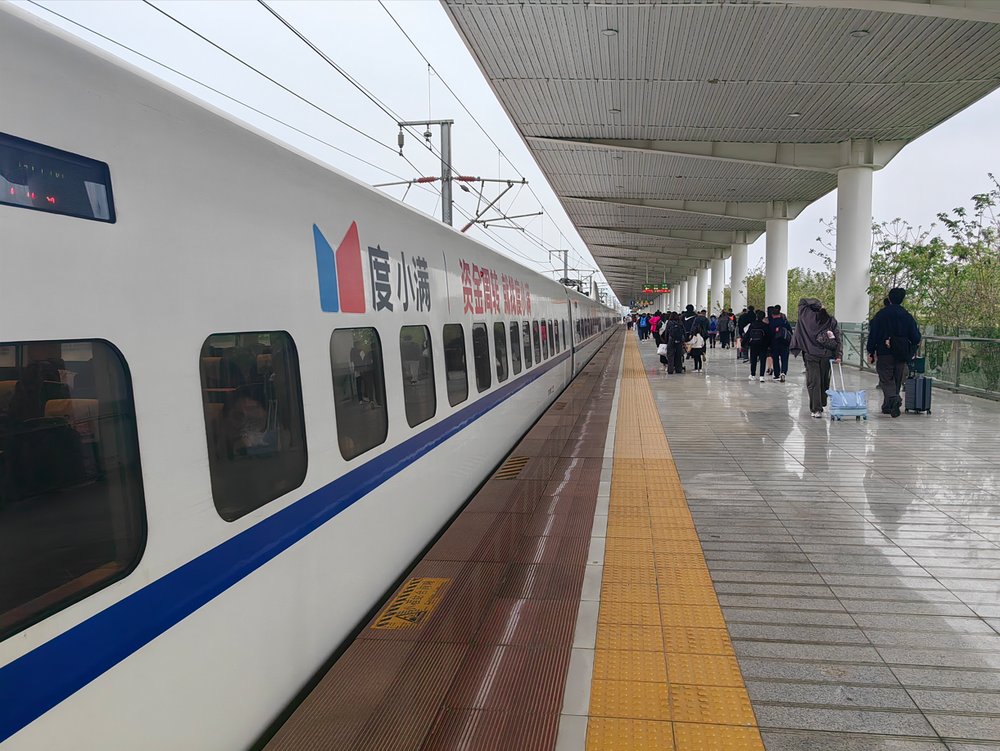
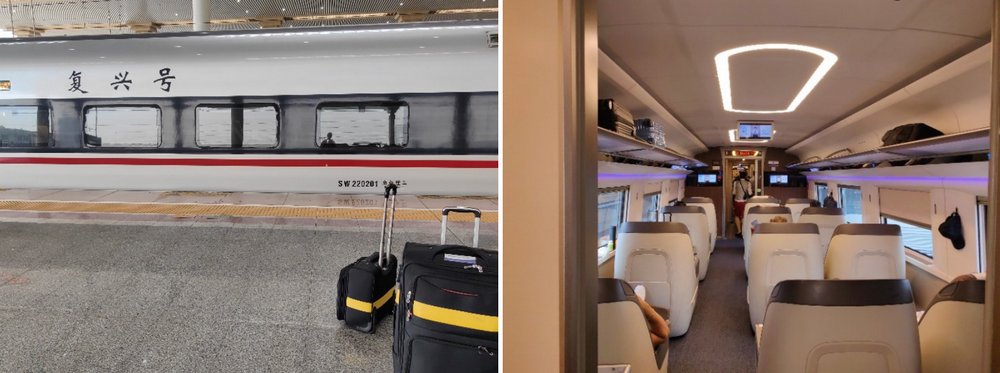
Taken the High Speed Train to Nanjing. There are HST trains almost every 15 minutes to Nanjing.
Above and beyond
We cannot thank my close friend Steven Li Zuyang enough!
He generously sent his driver to collect us from Nanjing railway station and then chauffeur us around the city over the following days.

Dinner
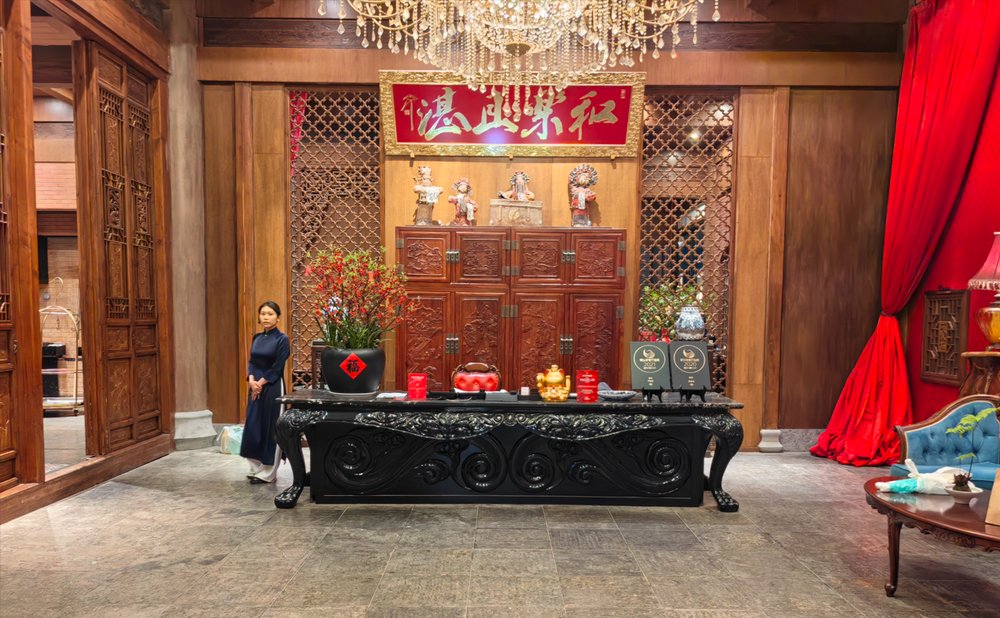
Once again, we gathered for an exquisite dinner in a renowned restaurant, a place where the entrance hall alone, with its striking elegance, whispered of the culinary artistry within. That evening, surrounded by warmth and anticipation, we sat down not just to a meal, but to a celebration of friendship across continents.
My friend Steven Li Zuyang
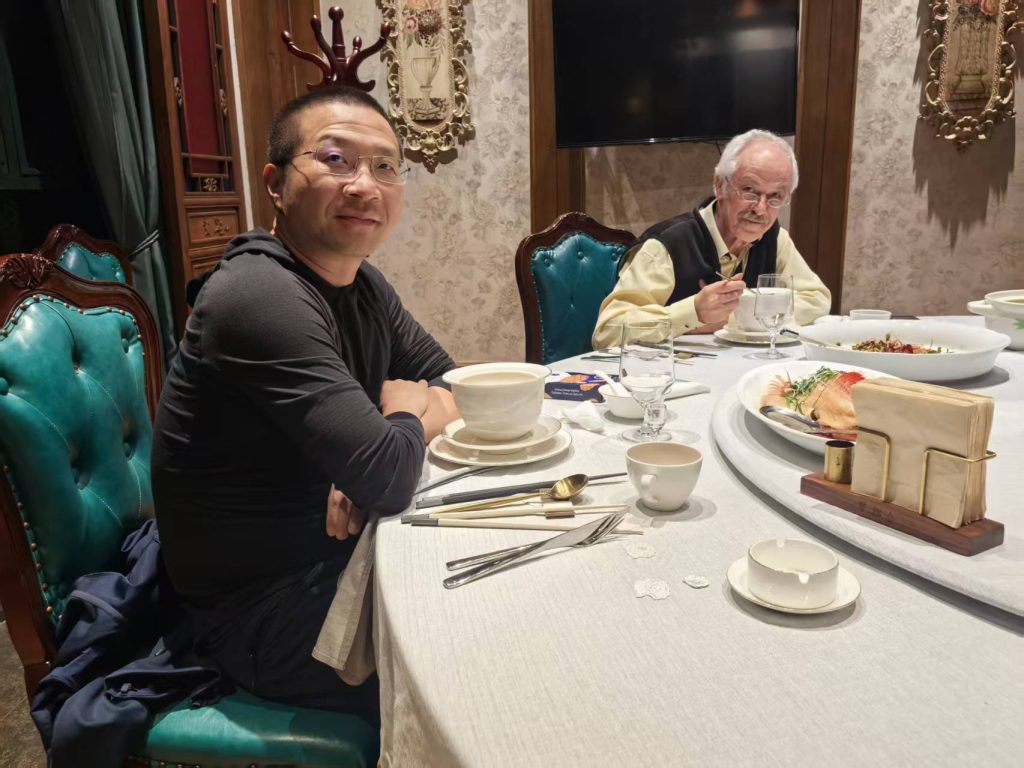
Jinling Su Shijin (金陵素什锦), or “Nanjing Assorted Vegetarian Dish.”
In Nanjing, and increasingly across China, a beautiful ceremony transforms a traditional Lunar New Year dish into a powerful symbol of global friendship. The dish is Jinling Su Shijin (金陵素什锦), an assorted salad of at least ten vibrantly coloured vegetables, each chosen for its auspicious meaning: abundance, luck, and harmony.
Traditionally, the dish celebrates unity and a peaceful new year. But in a moving contemporary practice, friends from different continents gather around a round table, itself a symbol of equality and togetherness. A large bowl of the separate, colourful vegetables is placed in the centre. Then, one person has the honour of mixing the salad first, combining all the diverse ingredients into a harmonious whole.
This shared act is a profound metaphor: people from different cultures, backgrounds, and continents coming together to create peace and connectedness. By mixing the salad, you are not just preparing food but performing a gesture of unity, showing that diversity, when blended with respect and friendship, creates something richer and more beautiful. It is a living ritual of hope, belonging, harmony and mutual understanding.
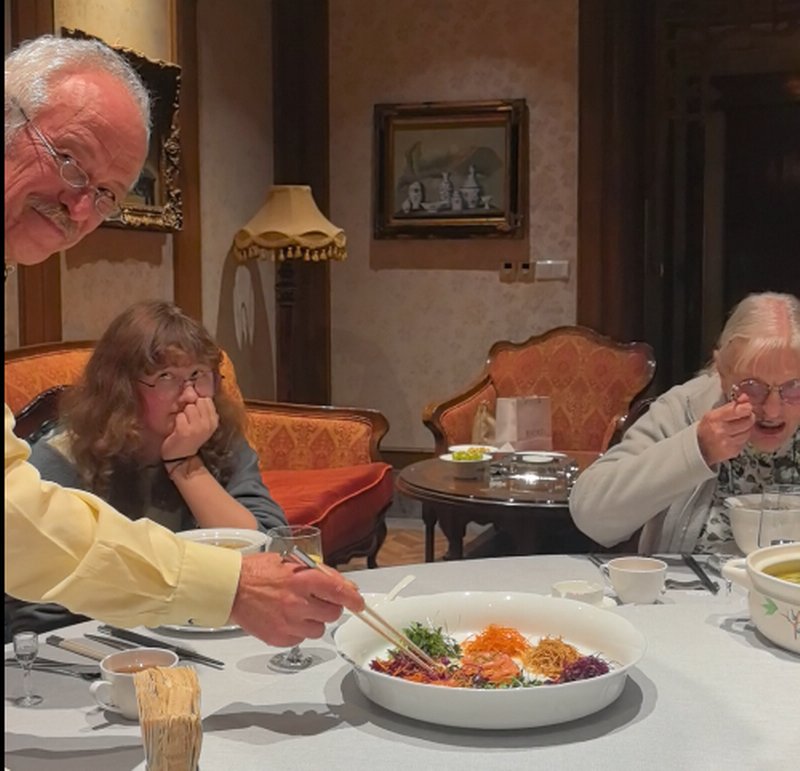
I had the honour to mix the Su Shijin as the first
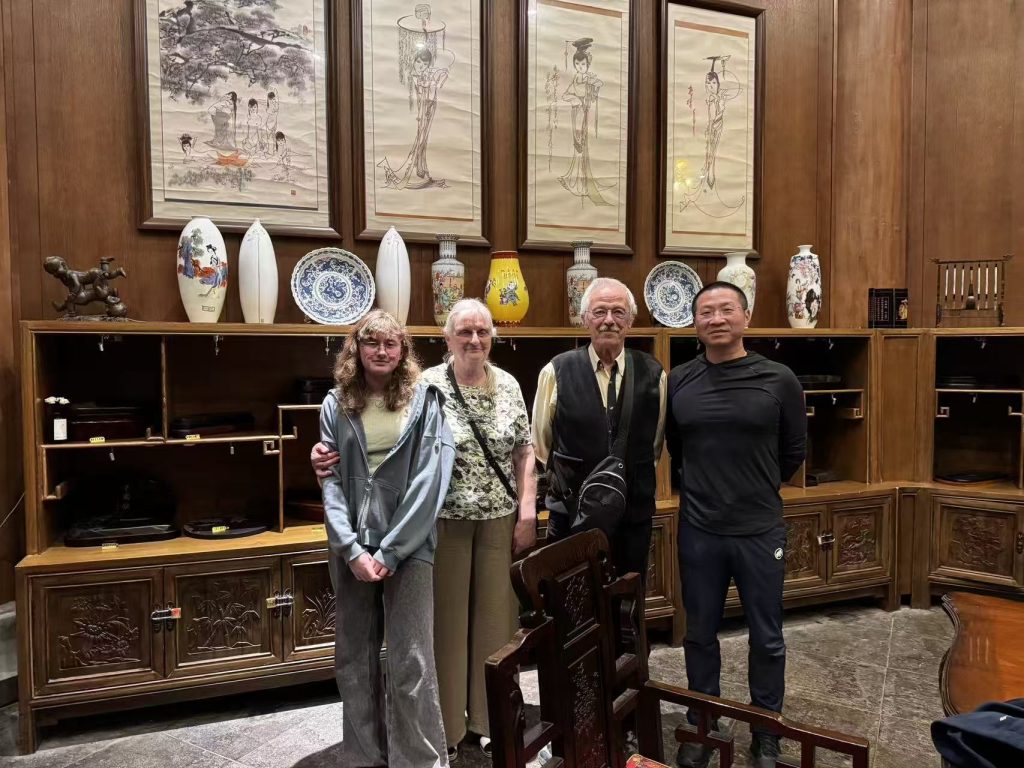
Zhèng Hé 郑和
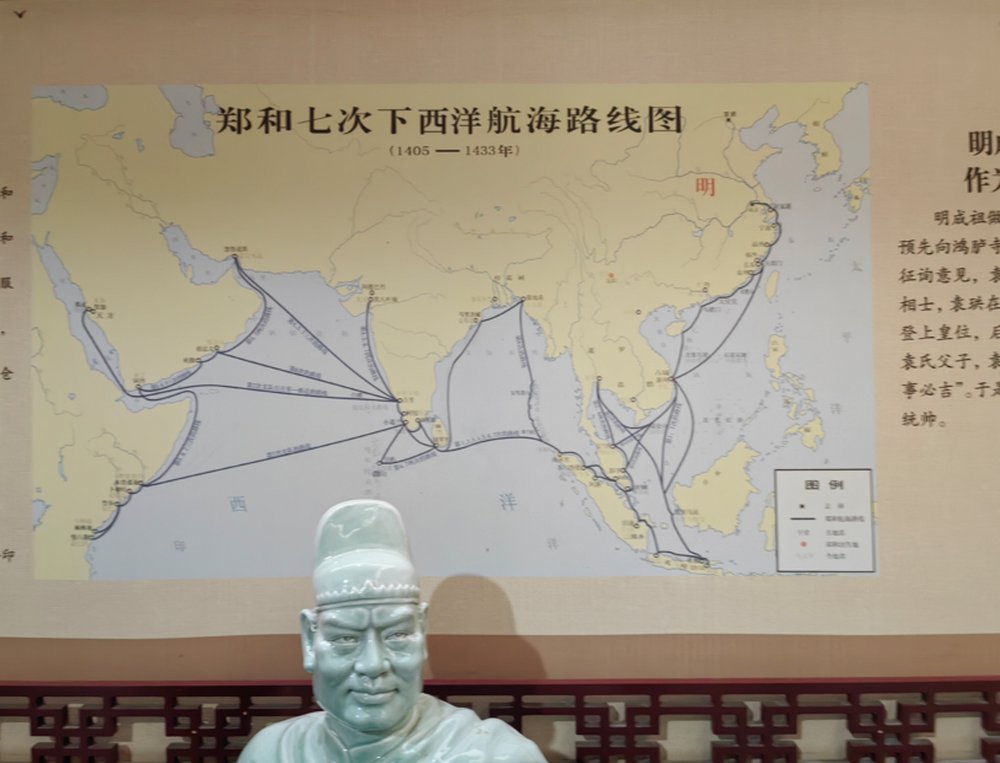
Zhèng Hé was a renowned Chinese mariner and explorer. He led seven vast voyages across the Indian Ocean to Africa for the Ming dynasty during the early 15th century. His expeditions expanded China’s maritime influence, established trade and diplomatic ties with numerous kingdoms, and showcased the remarkable naval capabilities of the era.
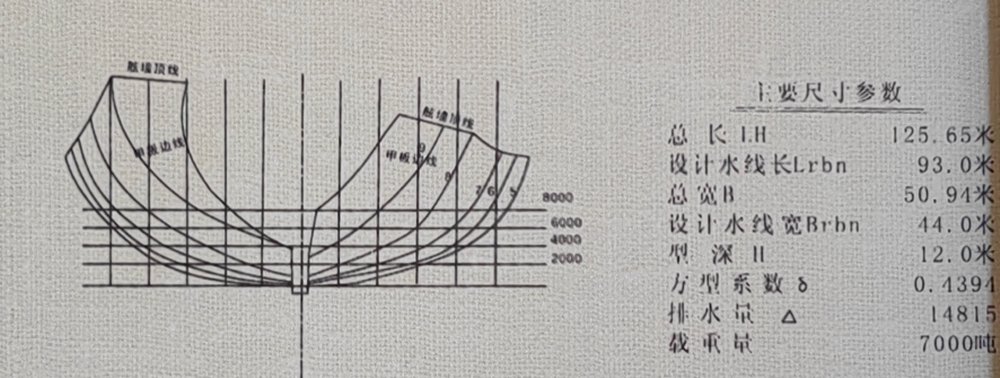
We went to see the replica of Zheng He’s treasure ship in Nanjing:
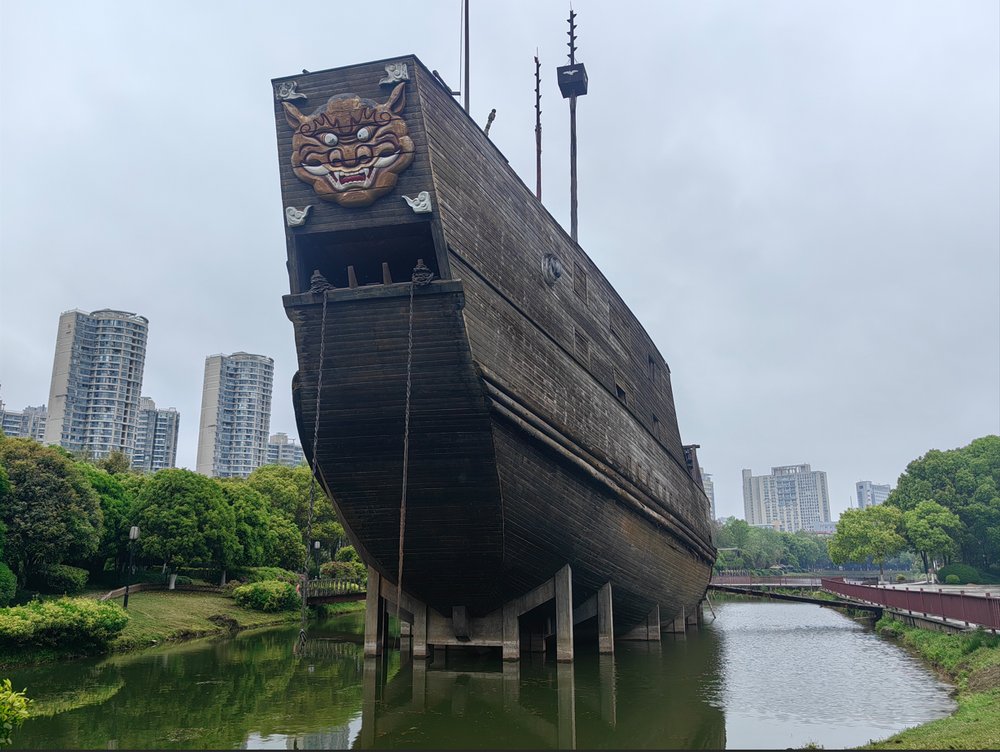
Zheng He’s baochuan (treasure ship) was “44 zhang” long, that is 126 m.
In comparison: 70 years later, Columbus’s main ship (the Santa Maria) on his 1492 voyage was 19 m.
A rainy day at the Sun Yat-Sen Mausoleum
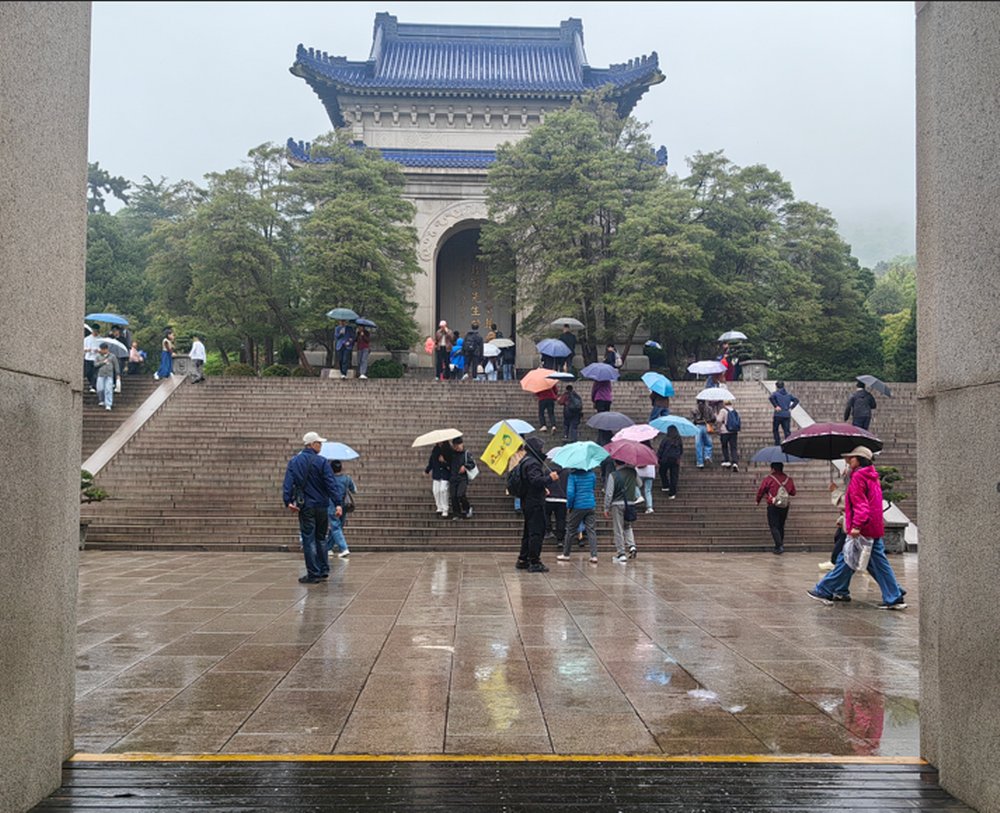
The heavens opened over Nanjing on the day we made our pilgrimage to the Sun Yat-sen Mausoleum, just four days after Cheng Li-wun’s historic visit and impassioned speech there. Rain streamed down the majestic stone steps, turning the lush pine forest into a shimmering veil of mist and memory. For me, it was a second journey to honour the Father of Modern China, a quieter, more introspective tribute than my first. But for Cheng Li-wun, this rain-soaked setting bore the weight of history. It marked the first face-to-face meeting between the leaders of the Kuomintang and the Chinese Communist Party in a decade. The drizzle seemed to wash away old tensions, if only for a moment, as footsteps echoed softly through the hallowed halls where politics paused and remembrance prevailed.
Shopping
Deji Plaza shopping mall ranked Nr.1 in 2025 in China (with 26 billion revenue)
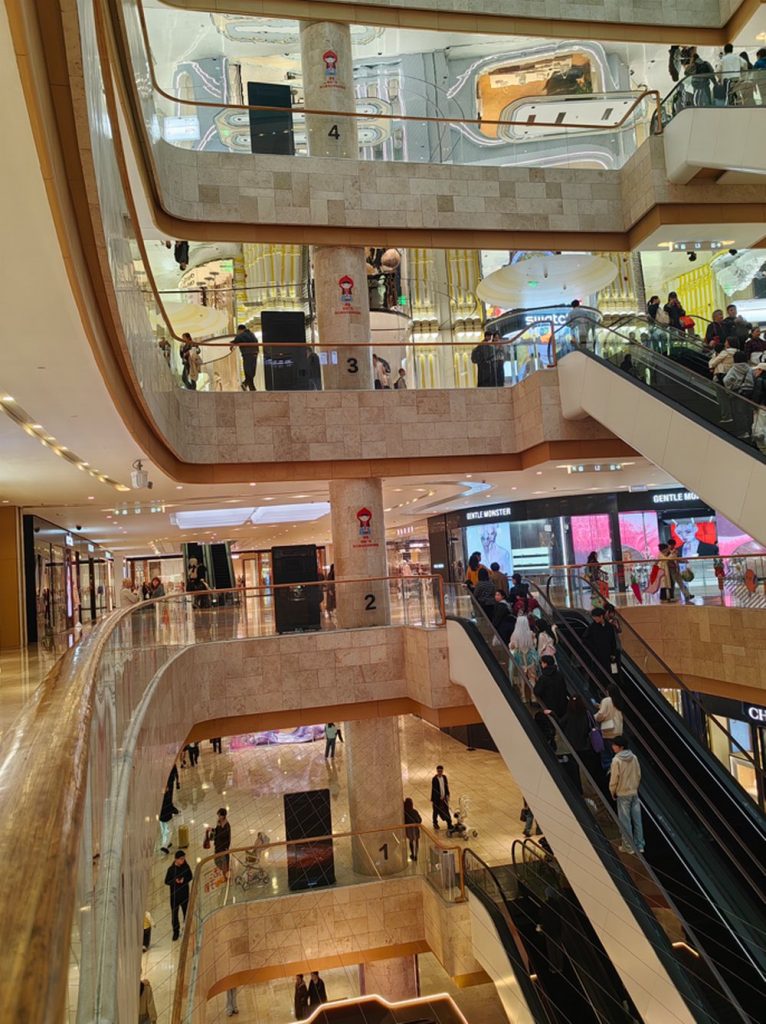
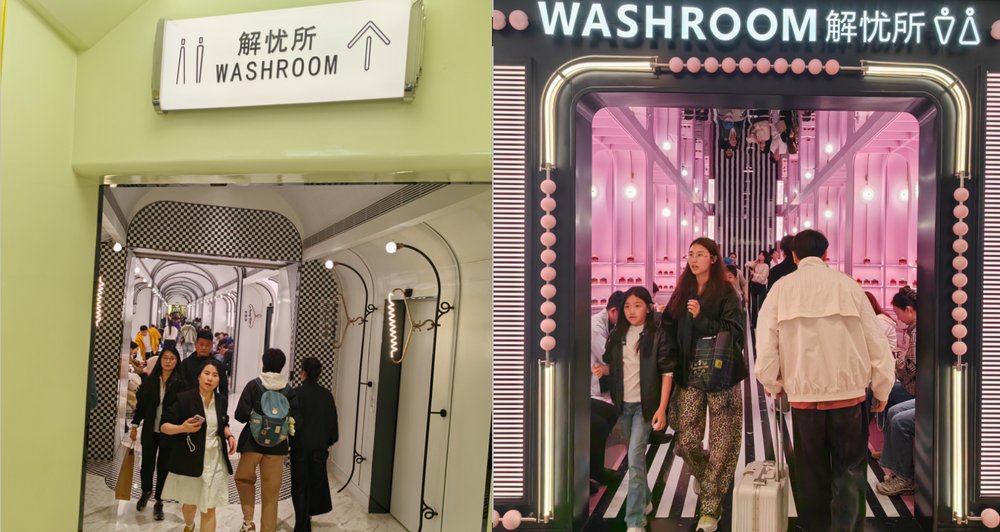
They have special “washrooms” here in this shopping mall, no ordinary toilets.
The screeching voice of the navigation app”. Watch the video:
Back in Shanghai
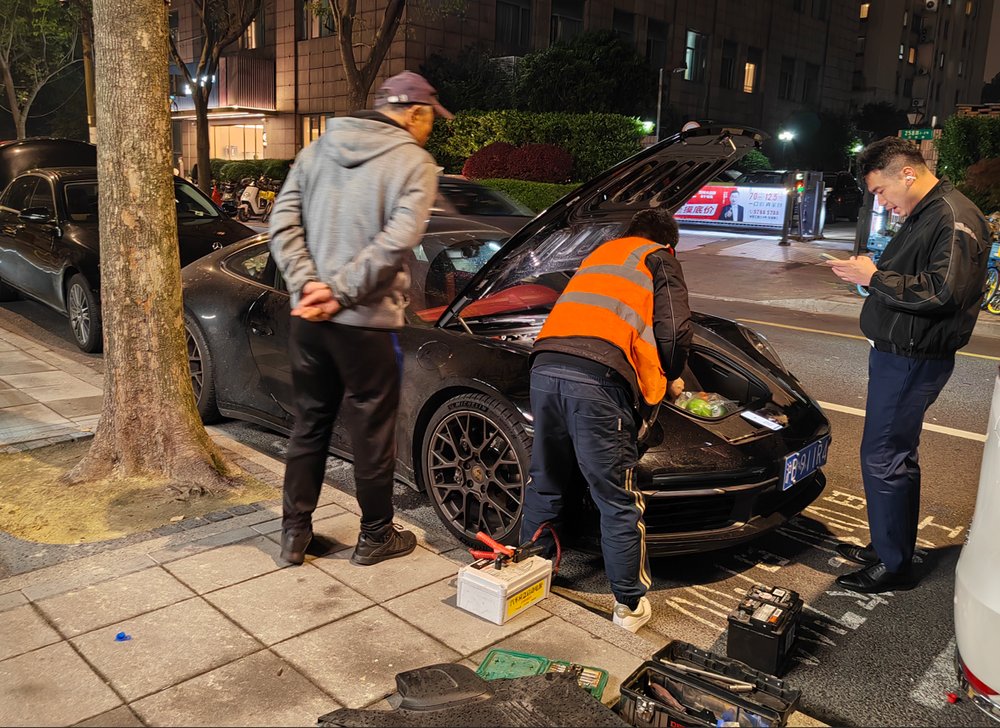
Porsche troubles
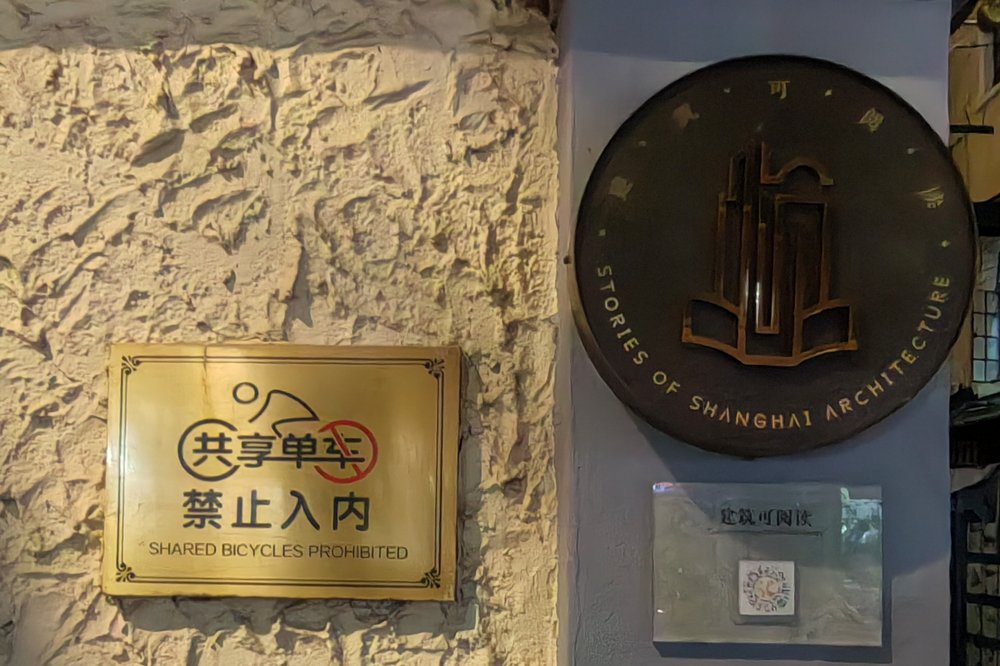
Some people don’t like the shared bicycles trend:
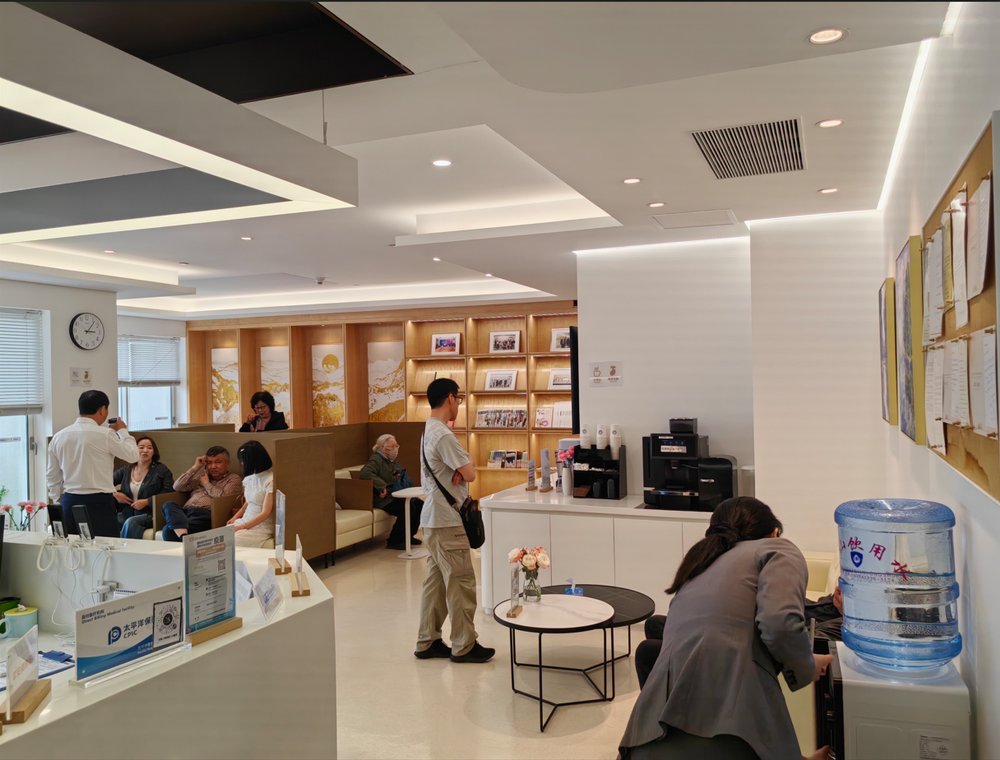
Dentist (again)
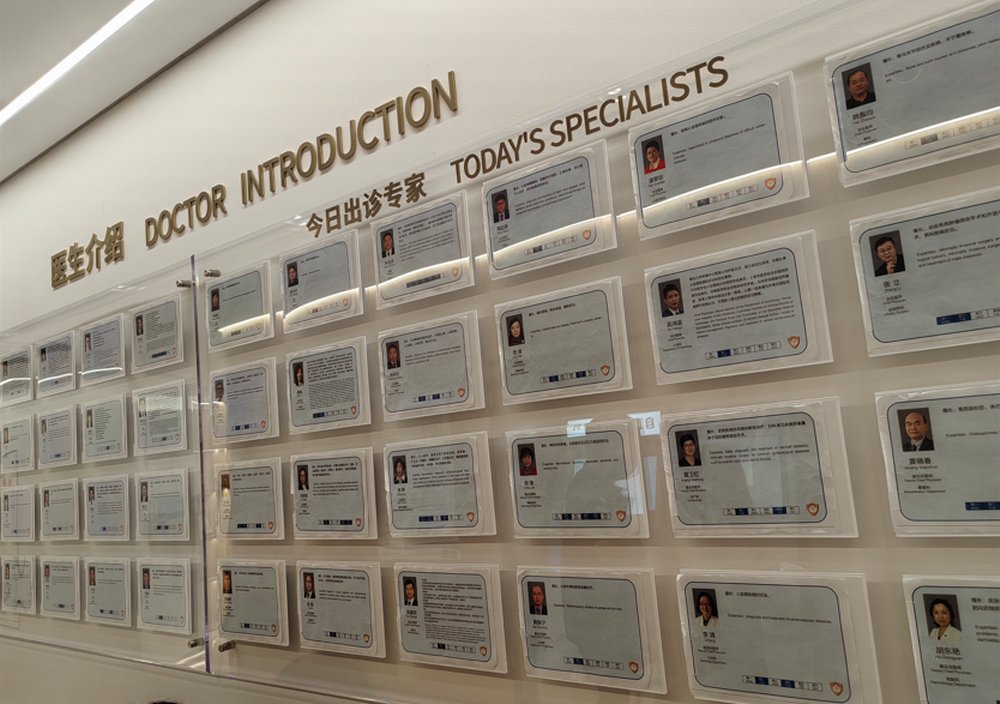
Select the dentist of your choice:
The waiting room with coffee, tea, but no sweet cookies.
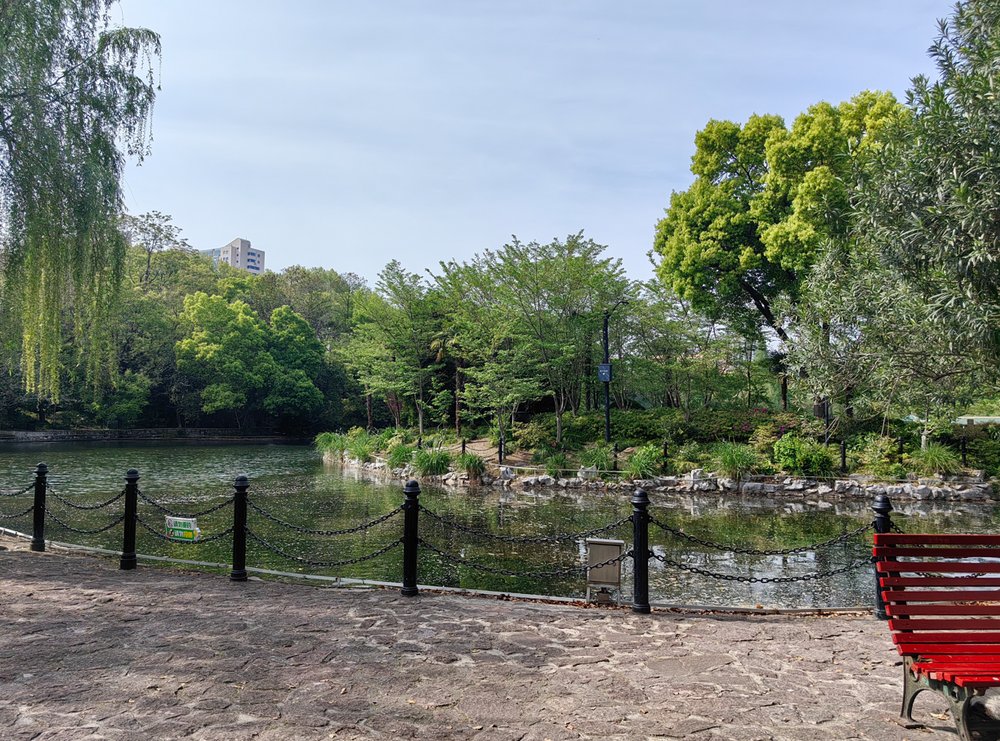
Lu Xun Park
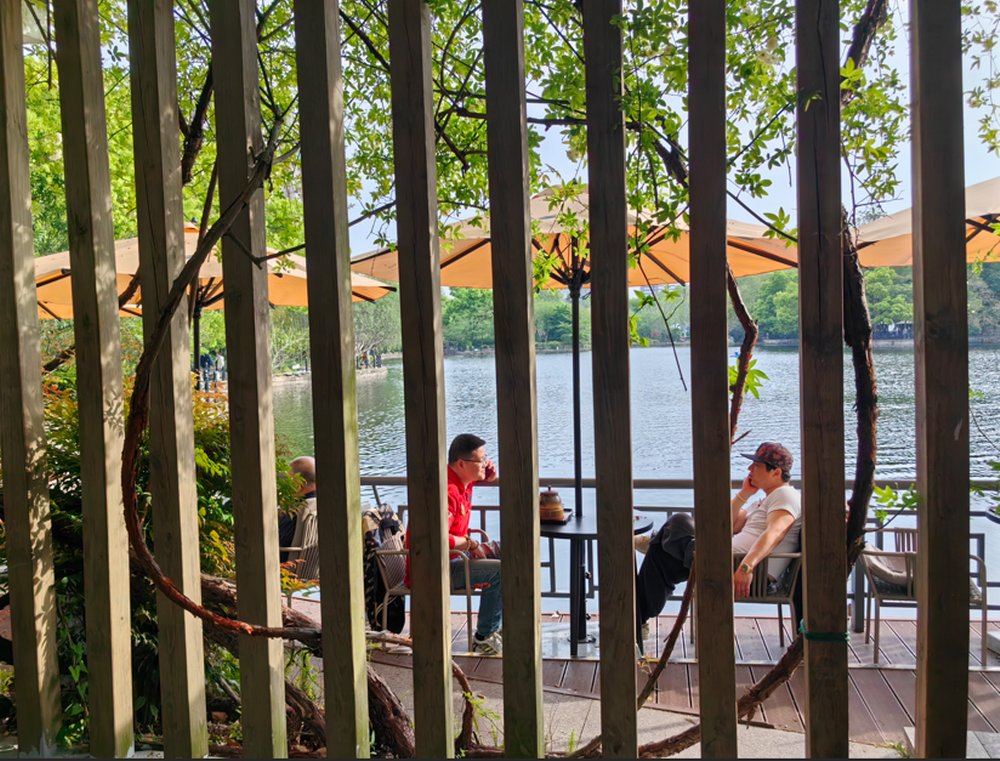
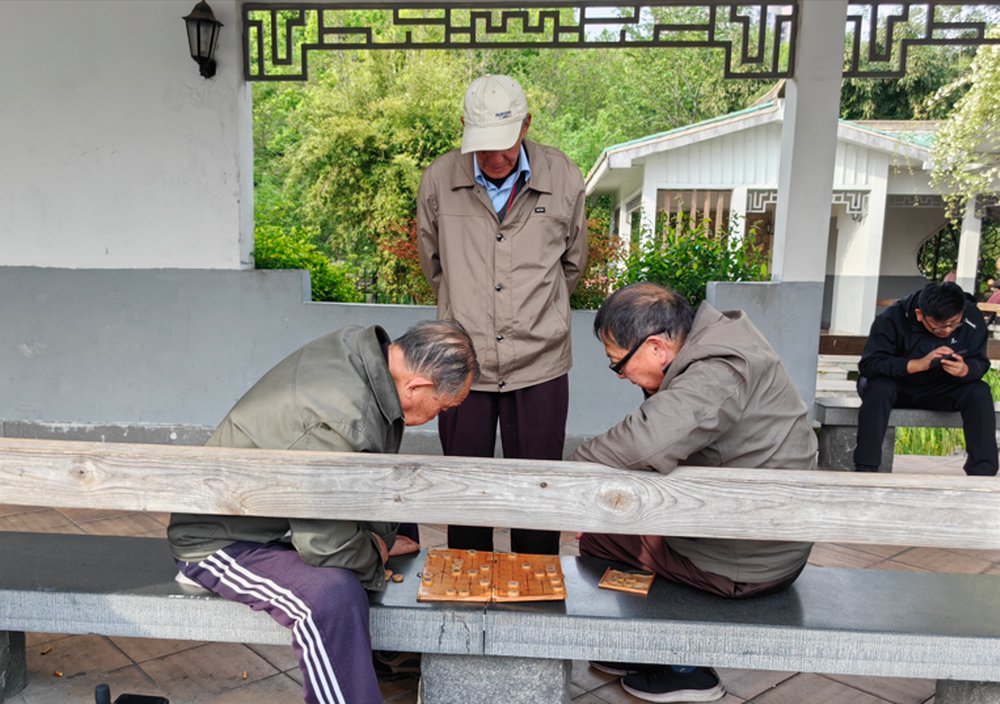
Lu Xun Park in Shanghai is a serene urban green space located in the city’s Hongkou District, named after the renowned Chinese writer Lu Xun. The park features a bronze statue of Lu Xun, as well as his tomb and a memorial hall dedicated to his life and literary legacy. Visitors can enjoy peaceful walks along shaded paths, a large central lake and traditional Chinese garden architecture. It is also a popular spot for local residents practising tai chi, singing, dancing, or playing chess in the morning. Beyond its natural beauty, the park holds deep cultural significance, reflecting Shanghai’s respect for one of modern China’s most influential thinkers.
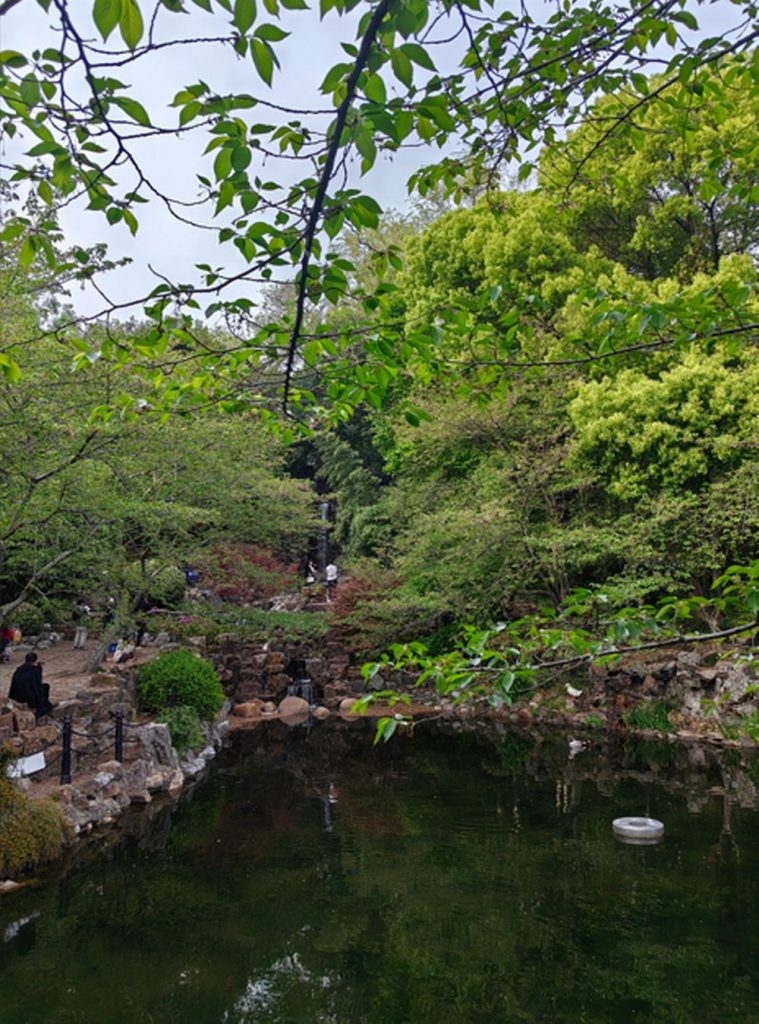
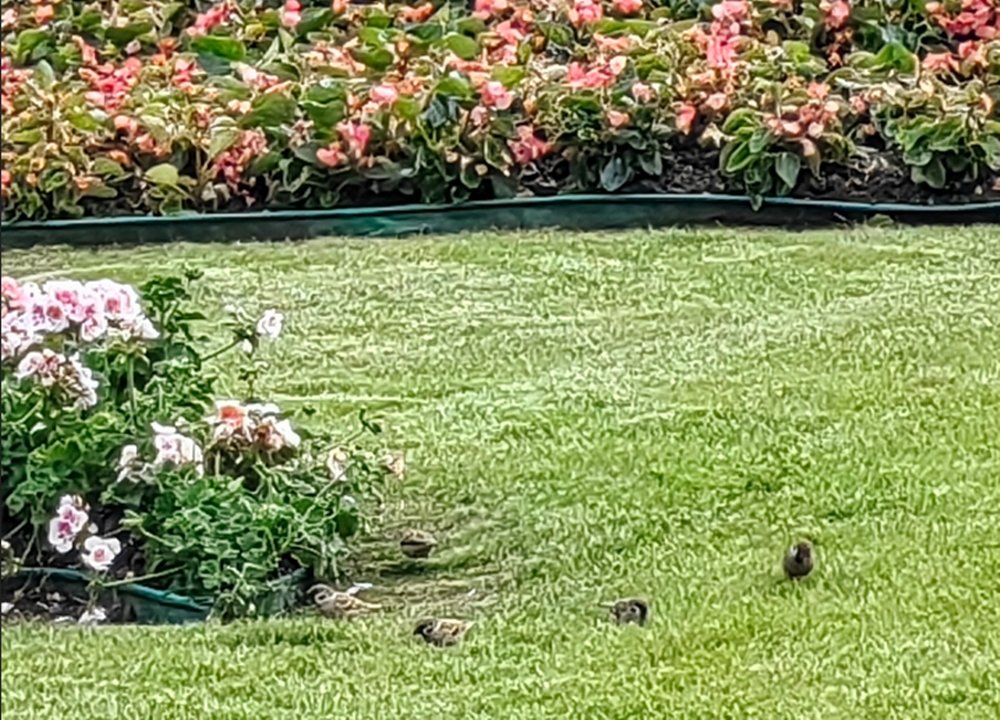
In Shanghai’s Lu Xun Park, elderly calligraphy enthusiasts practice “water calligraphy” by writing classical Chinese poems with a large brush dipped in water on the stone pavement. These transient artworks evaporate within minutes, blending the spirit of traditional poetry with the quiet, ephemeral beauty of a public park.
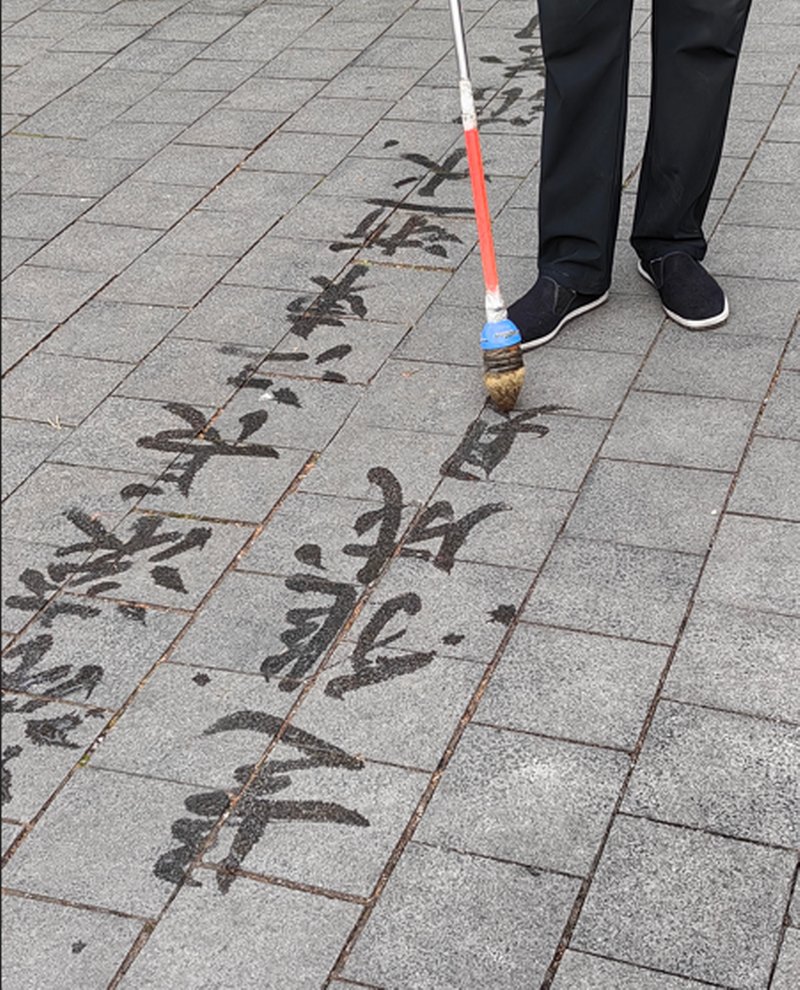
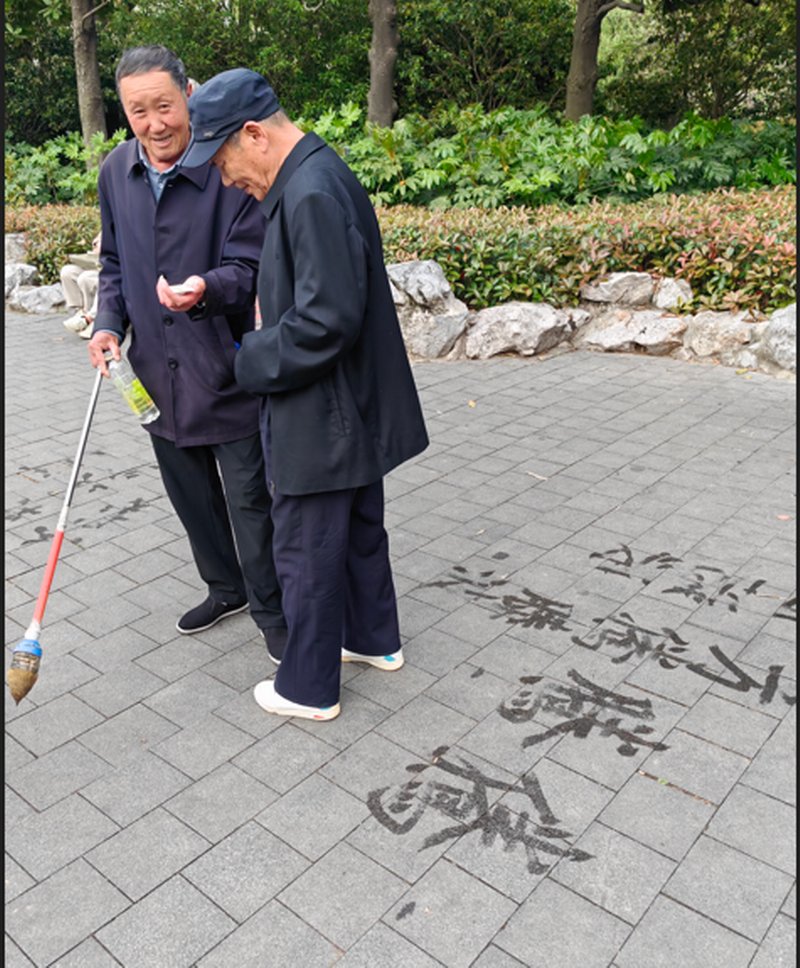
China today still thrives in peace and harmony. China possess an exceptional level of freedom and democracy, while Europe, lamentably, sees these values eroding rapidly.
Thank you for reading! We’d love to hear your thoughts. Please share your comments here below and join the conversation with our community!
本文中文:
Dit artikel in het Nederlands: China reis 2026 – deel 3


I have followed Frans Vandenbosch’s career in Europe and China and his articles on yellowlion.org. He provides first hand observations about people, improvements in the standard of living, advances in technology, schools, medicine, infrastructure, and functioning of the government from the bottom up. Many reports from experts in the United States and Europe continue with their same themes for the last 80 years refusing to acknowledge the progress China has made and the deterioration of the economic and government systems in the West. The United States no longer has a government. It is a one-man show with many like minded, unelected, unquestioning subordinates and a tight circle of “supporters” around the country. Europe has the European Union, unelected officials running the continent. Everywhere there are financial institutions doing important things, and a questionable mass media.
Perhaps the most important detail in this report is about the pre-Columbian voyages of discovery and trade of Chinese-Muslim Admiral and Diplomat Zheng He. His journeys for trade and cultural exchange were very different from the Christian Europe’s ocean journeys of conquest and plunder.