Views: 33
Shanghai in autumn: traffic silence, wedding bells and the feeling of freedom
Frans Vandenbosch 方腾波 05/10/2026
Happyness
Happy to be back in China. The instant I came through arrivals something inside me unclenched. It was a simple, bodily ease I gave up trying to explain long ago, after all the years I have been coming back. We were in Shanghai only in April. Five months later, the same tug has brought us here again. People sometimes ask why we come so often, as though once or twice a year ought to be enough. It is not, and I doubt it ever will be. Here I can walk after dark without running a risk assessment in my head. I can speak my mind over dinner without taking the temperature of the table first. I have watched neighbours row with a local official in the street and then sit down to tea again, quite unbothered. These are small things. They are also, I have come to think, the real fabric of freedom: not the word itself, but the absence of that inward flinch before you speak, the absence of a glance over your shoulder before you disagree.
I know how that sounds to ears trained to expect the opposite. I say it all the same, because I have lived on both sides of the comparison and no longer feel obliged to sugar the pill.
In Europe, that same ease has been wearing thin for years. Not suddenly, but steadily, rather as a coastline is eaten away: a phrase you learn to avoid, a joke you no longer risk, a message you think twice about sending. Friends there speak of a caution that has seeped into ordinary conversation, a sense that certain opinions now carry a price even when no law has been broken. I do not say this to make a point. I say it because the contrast, lived rather than argued, is the most honest report I can bring back.
So yes, I am glad, deeply and unconditionally glad, to be somewhere I breathe differently. Not because it is flawless. No country is. But because here in China, for reasons I keep trying and failing to explain, I feel free.
Traffic silence
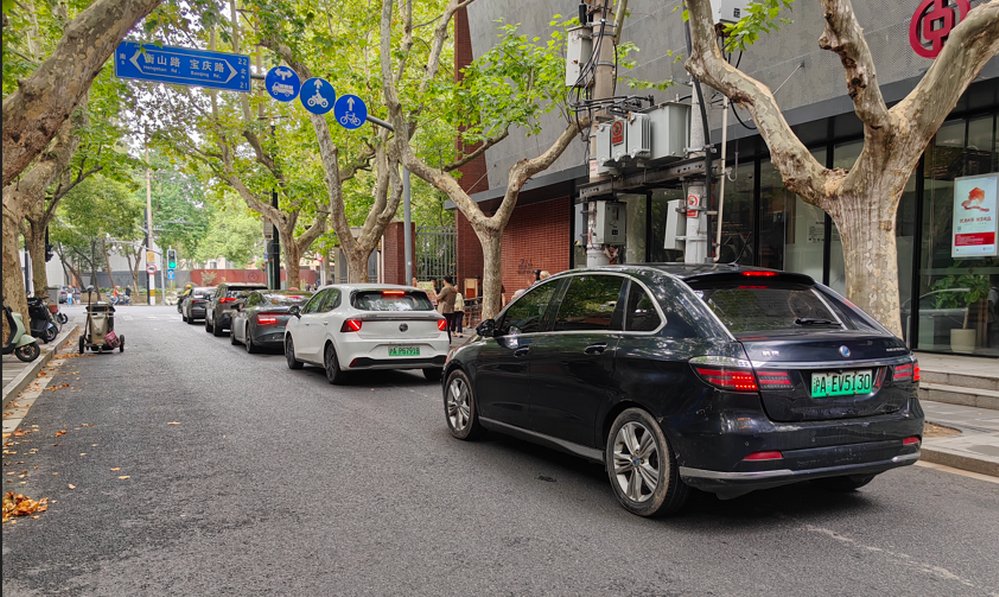
At present, I would estimate that more than 90 per cent of the cars on the streets of Shanghai are electric. The overwhelming majority of these vehicles are Chinese marques and, naturally, they are all electric. Only Lamborghinis, Ferraris and Maseratis, together with a small number of ageing Mercedes, BMWs and Audis, are still powered by fossil fuels.
The chirruping of the crickets in the trees is far louder than the noise of the busy traffic.
Let the music play
The past weekend, we deeply enjoyed the music at Abbey Road
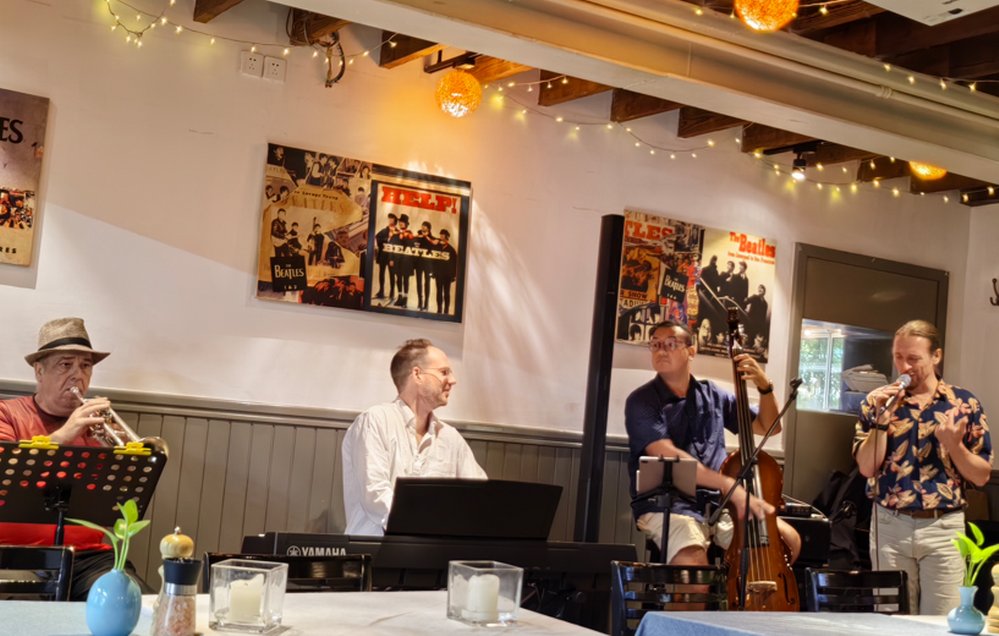
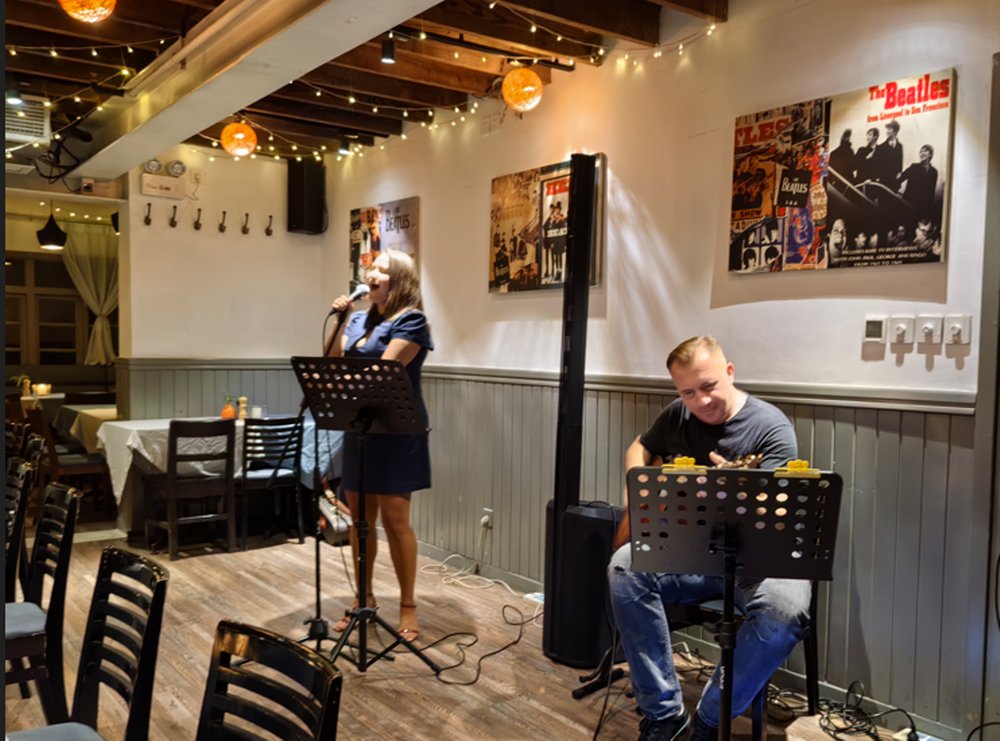
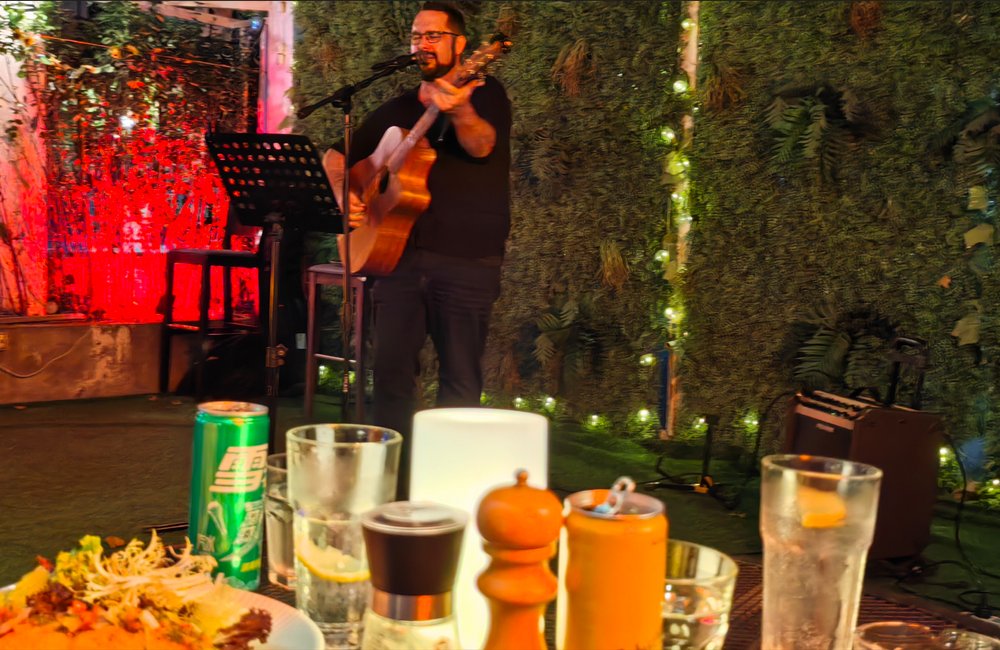
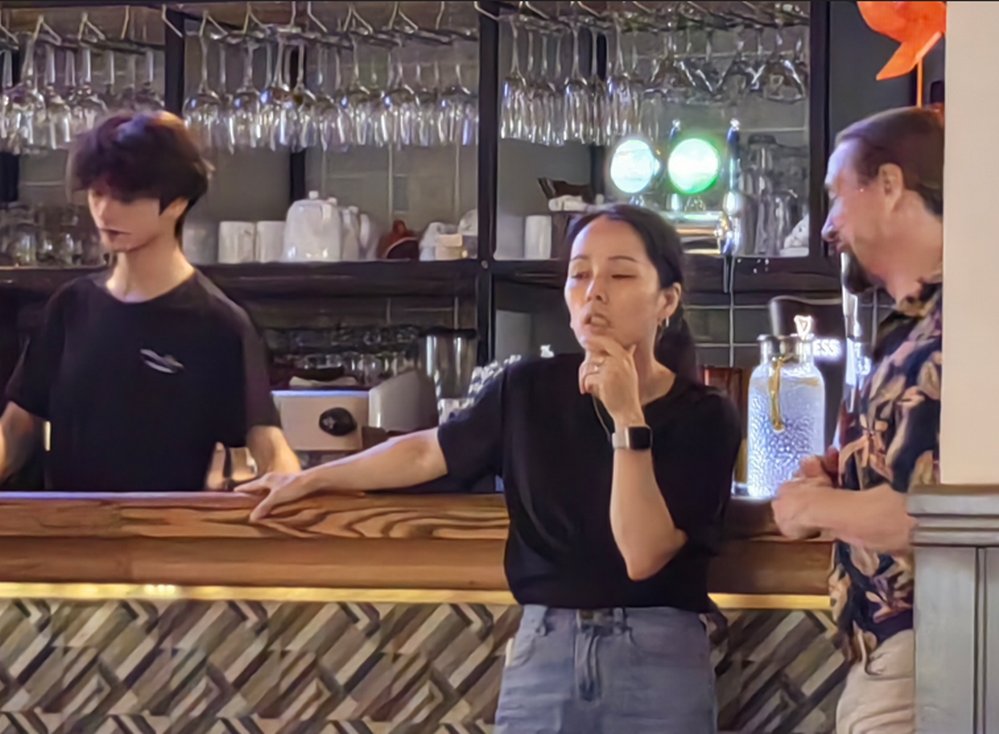
At Abbey Road, Rebecca keeps the whole weekly machine humming. When the weekend arrives, Abbey Road turns its focus to live music. From Friday to Sunday evening, bands take to the stage and the whole place comes alive with sound, voices and energy. Rebecca is managing all this and more at Abbey Road.
Happy marriage
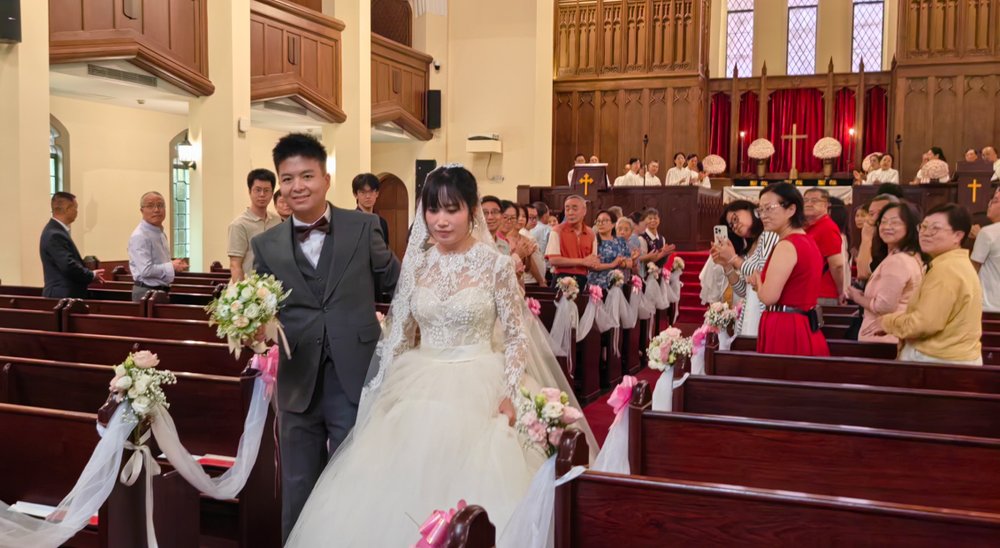
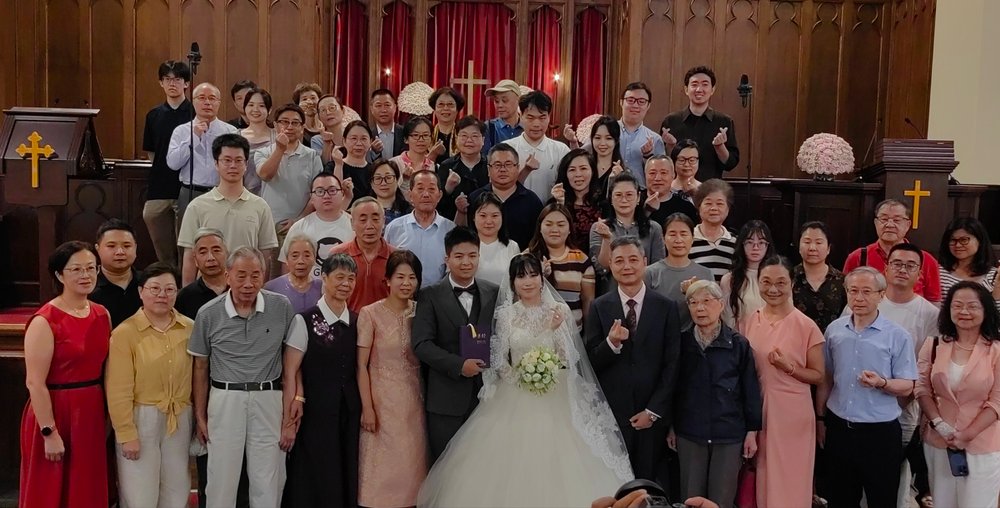
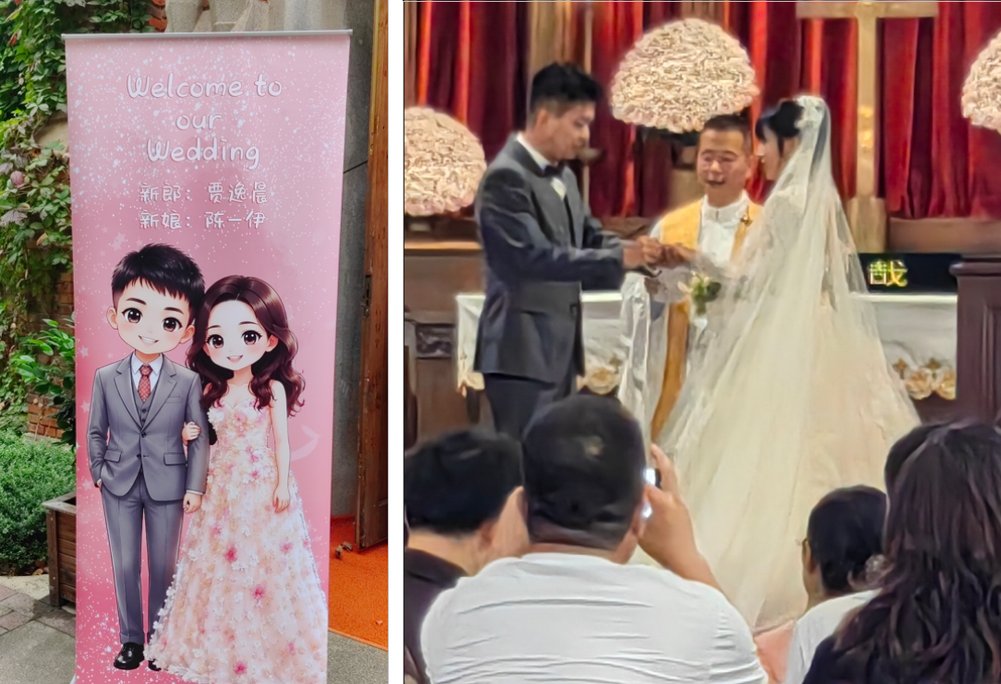
We were invited to attend the wedding of Mr. Jia Yichen and Ms. Chen Yiyi
May the love they celebrated in the Community Church on Hengshan Road only grow deeper with each passing year. Wishing them a marriage filled with joy, laughter, and endless love. Congratulations!
Autumn leaves
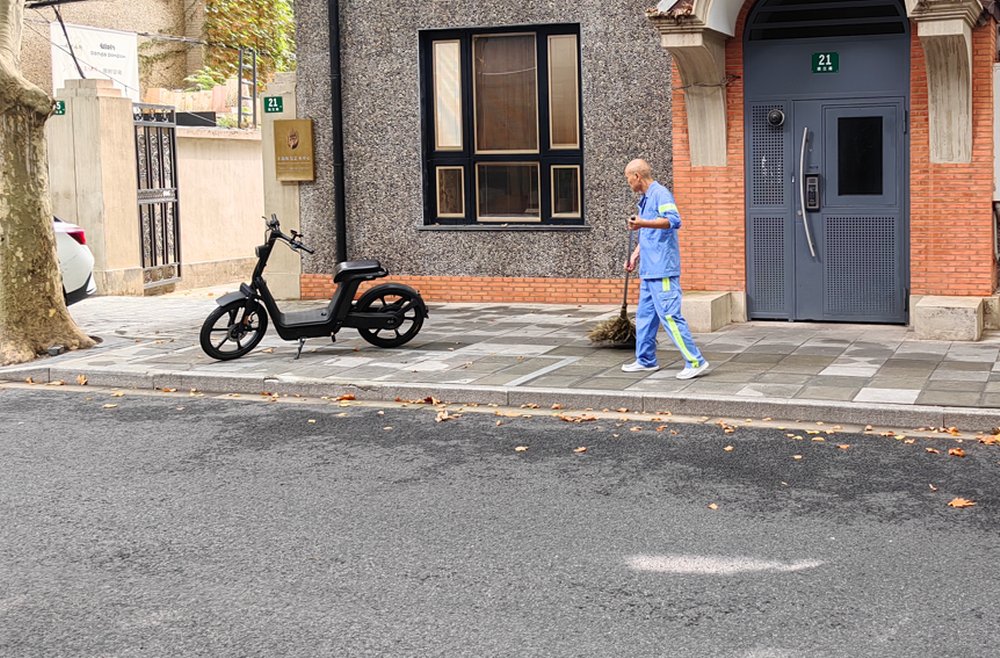
Now that autumn has begun, the leaves are falling in abundance from the plane trees. The streets are swept three times a day.
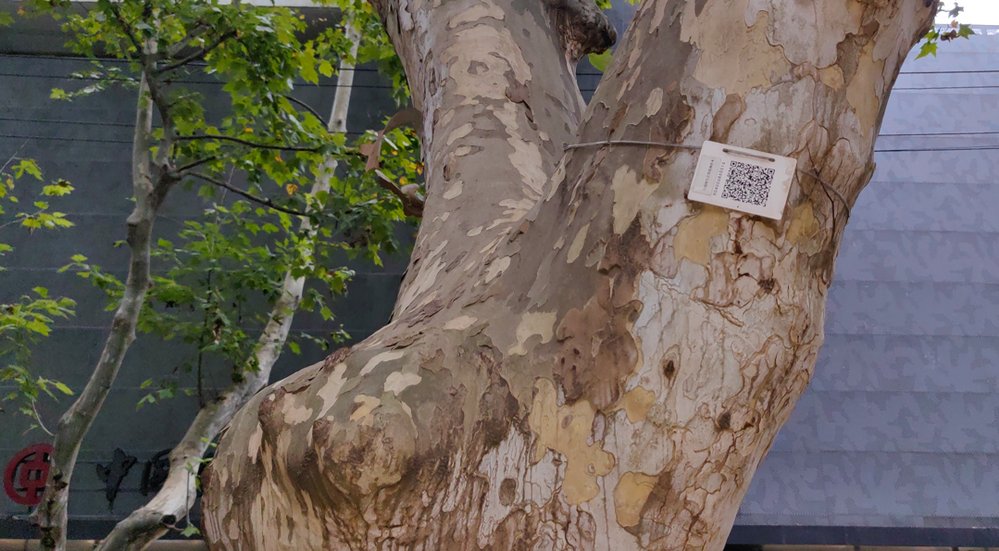
In Shanghai, old plane trees have QR codes that act as digital ID tags linked to each tree’s records. These codes help maintenance crews track care and risks, while allowing the public to scan them for information and participate in urban greening. They also support cultural storytelling by connecting historic trees to Shanghai’s heritage and local memor
.
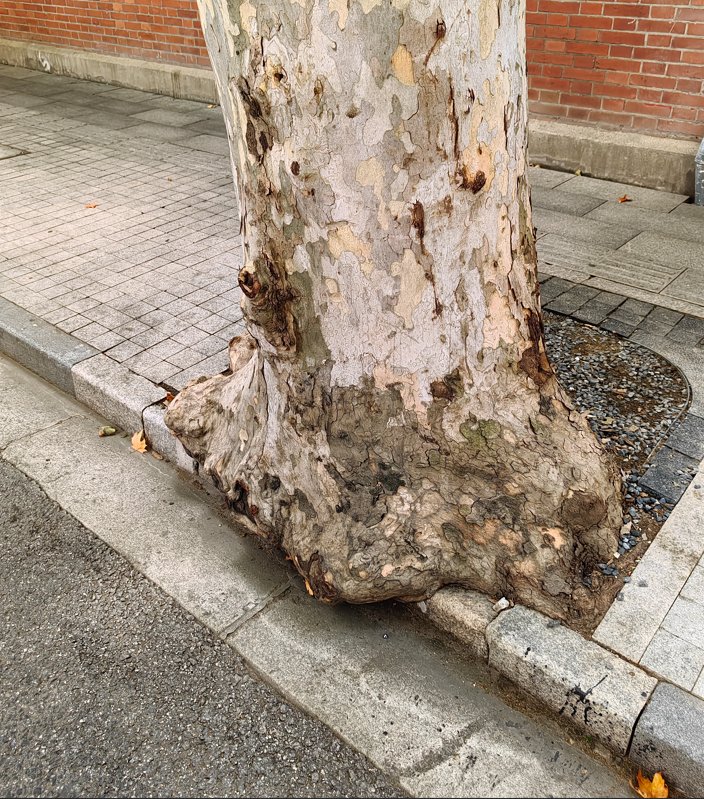
Expansionism. The international community has condemned the move, but the tree remains undeterred, unilaterally annexing the curb. The UN is drafting a strongly worded condemnation resolution.
The painting craze spreading all over Shanghai
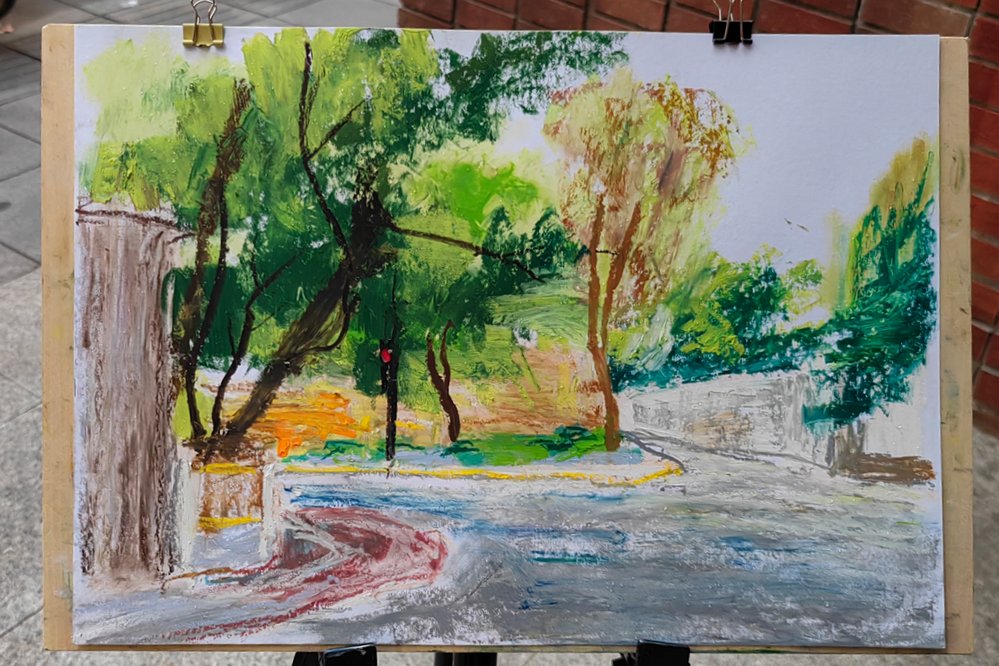
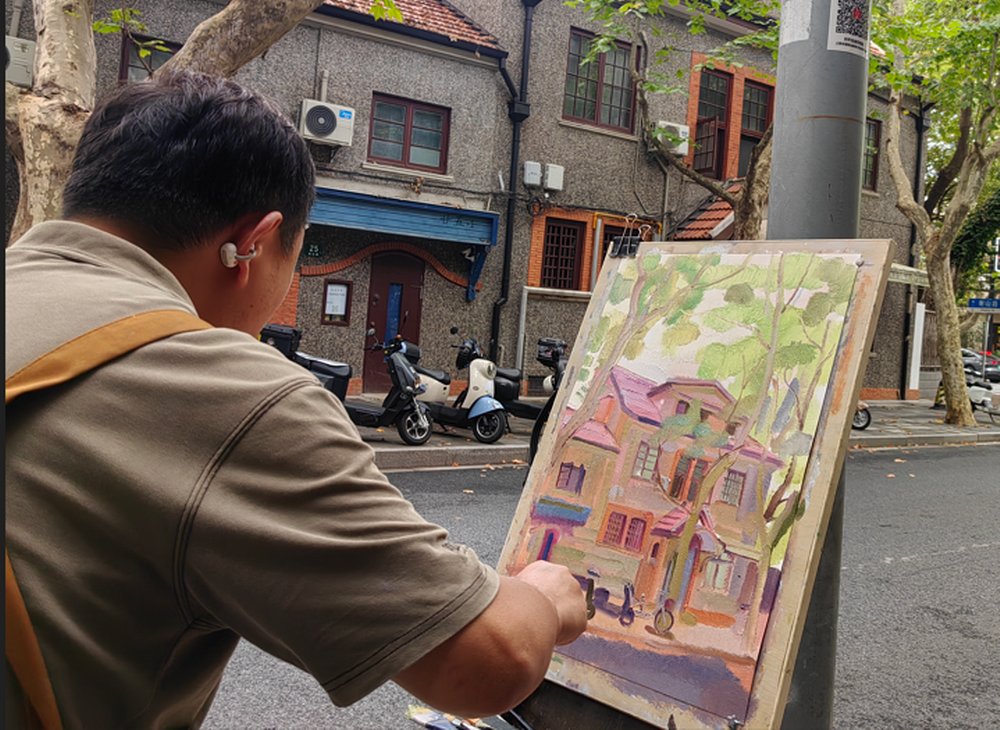
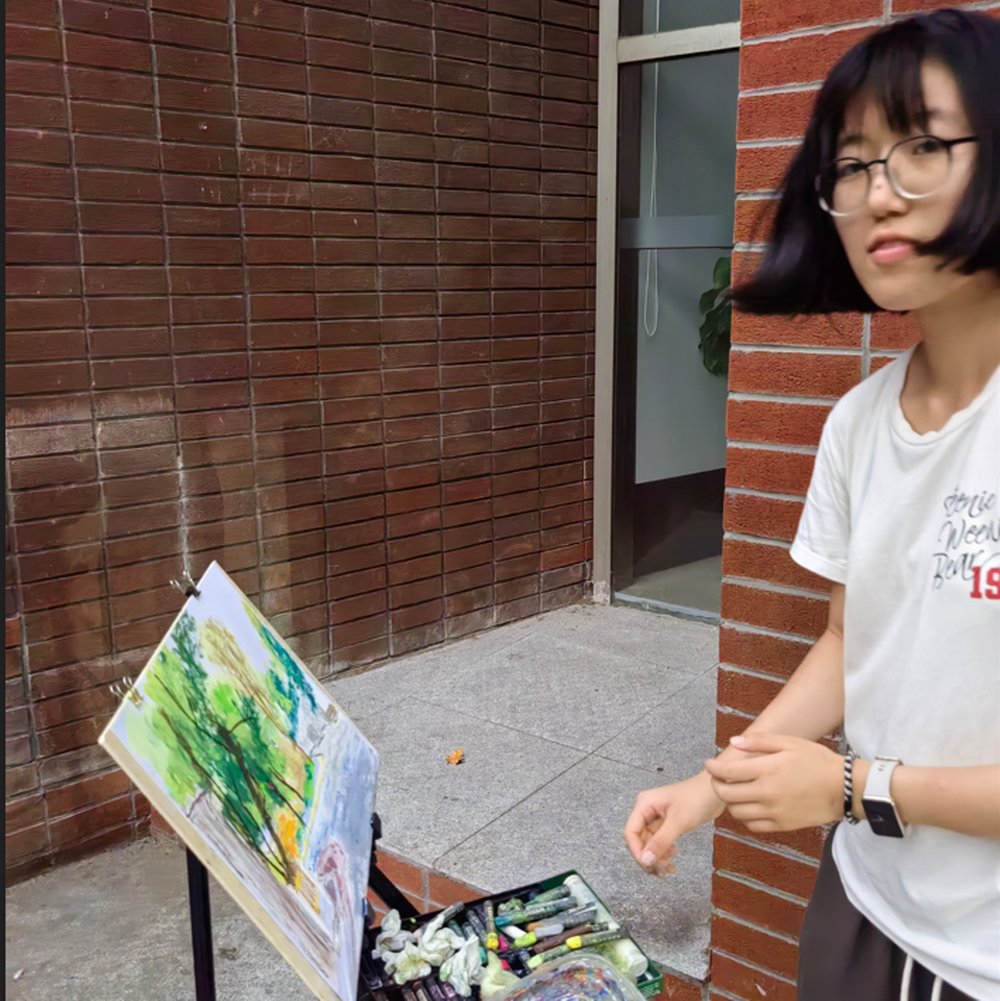
All over Shanghai, especially in the historic neighbourhoods, I see people painting the old houses. Here, they are painting the house we are living in:
The Taiyuan Residential Area Party-Mass Service Station
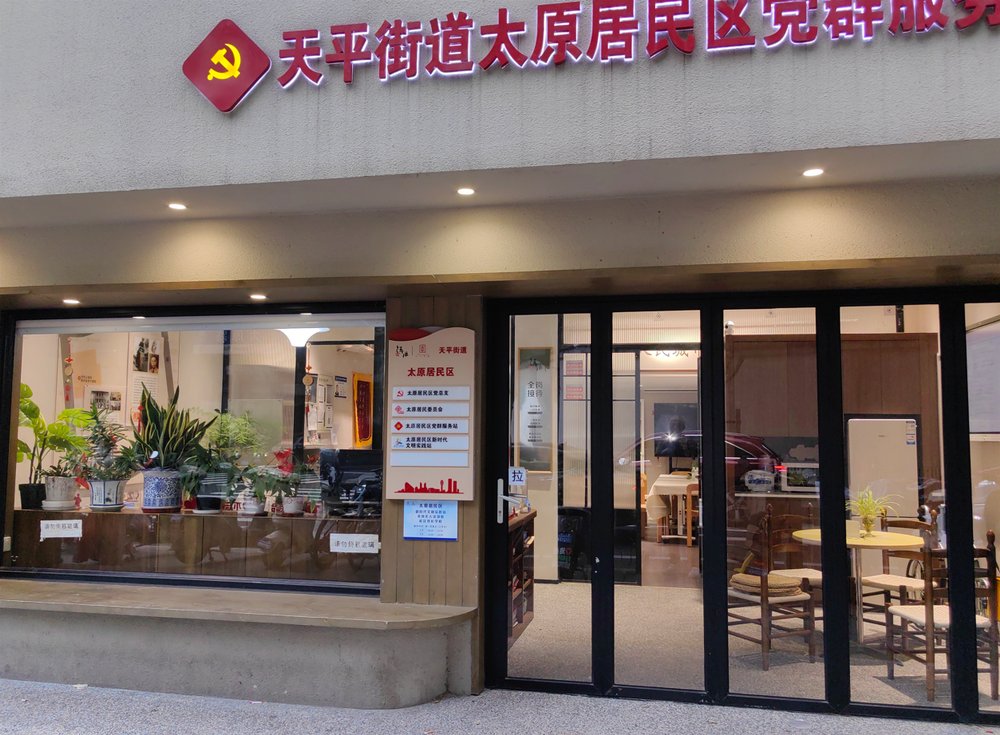
In Shanghai’s historic Xuhui District, the Taiyuan Residential Area Party-Mass Service Station functions as a “shared living room” for the neighborhood. Unlike traditional closed-door administrative buildings, it is an open, street-facing community hub designed to offer practical support and foster social bonds.
For local residents and outdoor workers, the station provides free Wi-Fi, phone chargers, microwaves, and toolkits, alongside basic health checks and minor repairs. A dedicated team of retired volunteers drives its community care programs. They distribute iced mung bean soup in summer and traditional congee in winter, while organizing cultural events to combat elderly isolation.
The station’s cozy, open design reflects a shift toward accessible, grassroots governance in China. By integrating into the tree-lined historic streetscape, it prioritizes daily convenience and neighborly warmth over administrative formality. It stands as a welcoming, multi-generational space where locals can rest, recharge, or seek help, illustrating a unique, community-driven approach to urban social welfare and elderly support.
The team was founded by Sun Hongyin (affectionately called “Baobao Ayi”), a local resident, and its members are primarily retirees with an average age of around 65. Their work is driven by a spirit of mutual aid rather than formal party membership.
China has always been more than just a country to go to. It is a place where I belong emotionally, where I can relax, speak freely and feel at home. It is the one place where my heart at last unclenches and breathes. And even if autumn in Europe turns bitter, Shanghai’s warm, sweet air settles the question: liberty is not a banner you wave. It is the simple freedom to say your piece, to hold a different view, and to come back.